Atomic Habits: Systems-Based Growth
Identity Based Systems
Start With Who, Not What
When we want to change something about our lives, we usually focus on the “what.” What do I want to achieve? Lose 15 pounds. Write a novel. Learn to code. These are outcome-based goals. They center on a result.
There's a more powerful way to think about change. It involves shifting your focus from the what to the who. Who do I wish to become? A healthy person. A writer. A developer. This approach targets your identity.
All behavior change happens on three layers. The outermost layer is changing your outcomes. The middle layer is changing your process, or your systems and habits. The deepest layer is changing your identity, or your beliefs about yourself.
Most people try to change from the outside in. They set a goal (outcome) and then figure out what actions (process) they need to take. The problem is that this approach often clashes with their underlying identity. If you see yourself as someone who isn't “a morning person,” it’s hard to stick to a habit of waking up early to exercise, no matter how much you want the outcome.
True, lasting change happens from the inside out. It starts with the kind of person you want to be. When your habits are an extension of your identity, they feel natural and reinforcing. You’re not just chasing a result; you’re being who you are.
The goal is not to run a marathon. The goal is to become a runner.
Casting Votes for Your Identity
Your identity isn't set in stone. It emerges from your habits. You aren't born with a fixed set of beliefs. Every action you take is a vote for the type of person you wish to become. Finishing a workout is a vote for being a healthy person. Writing one page is a vote for being a writer. Each tiny habit reinforces your desired identity.
This creates a powerful feedback loop. When you perform a habit that aligns with your desired identity, you reinforce your belief in that identity. This makes it easier to perform the habit again in the future. The more “votes” you cast for a particular identity, the more you start to believe it. Your self-image begins to change.
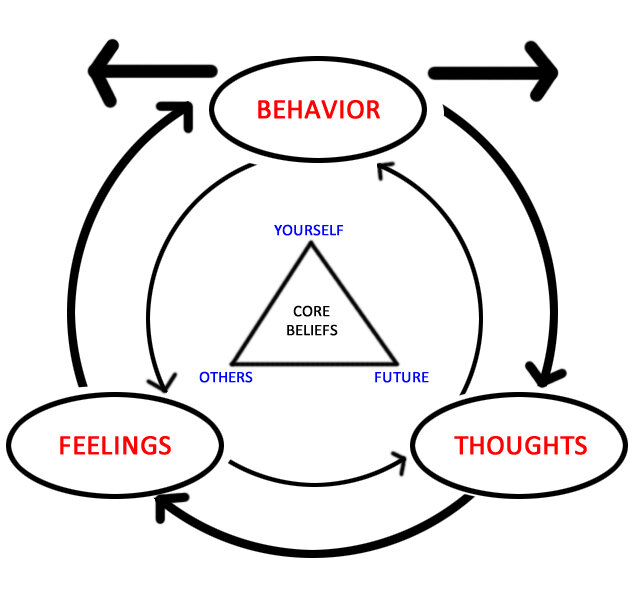
So how do you build a new identity? It's a simple two-step process.
-
Decide the type of person you want to be. What are your principles and values? What do you want to stand for? Be specific. Don't just say “I want to be healthy.” Instead, say “I am the type of person who moves my body every day and eats nutritious food.”
-
Prove it to yourself with . Your actions provide evidence of your identity. A single workout won't transform your body, but it will cast a vote for your new identity as a healthy person. These small wins build up over time, providing mounting evidence of who you are becoming. Your identity is literally the “repeated beingness” of your actions.
When behavior aligns with identity (“I’m someone who cares for my body”) rather than outcome (“I need to lose weight”), motivation becomes durable.
This focus on identity makes behavior change sustainable. You're no longer fighting for a goal; you're simply acting in alignment with the person you believe yourself to be. The internal friction disappears. The motivation becomes intrinsic, not external.
According to the text, what is the primary difference between focusing on "outcomes" and focusing on "identity" when trying to change a behavior?
The text describes behavior change as having three layers. For the most effective, lasting change, you should work from the outside in (Outcomes -> Process -> Identity).
By anchoring your habits in your identity, you create a system for self-improvement that gets easier over time. You're not just doing something new; you're becoming someone new.