Atheism Science Spirituality Religion
Defining Atheism
What Is Atheism?
At its core, atheism is the absence of belief in gods. The word itself comes from the Greek atheos, which means "without gods." It's not a religion, a philosophy, or a system of beliefs. It's simply a position on a single question: Do you believe in a god or gods?
Atheism
noun
The absence of belief in the existence of gods or deities. It can also refer to the positive assertion that gods do not exist.
This leads to an important distinction. Some people describe atheism as a spectrum. On one end is weak atheism, sometimes called negative atheism. This is the simple lack of belief in any gods. A person in this category doesn't make the claim that gods definitively don't exist; they just aren't convinced that they do. Most atheists fall into this category.
On the other end is strong atheism, or positive atheism. This position makes a direct claim: "Gods do not exist." It's an active belief that there are no deities, rather than just a passive lack of belief in them.
Atheism and Agnosticism
People often confuse atheism with agnosticism, but they address two different questions. Atheism is about belief, while agnosticism is about knowledge.
An agnostic is someone who believes that the existence or non-existence of gods is unknown or unknowable. The term was coined by biologist T.H. Huxley to describe a position of not claiming to know things one has no scientific evidence for.
Because they address different concepts, belief and knowledge, they aren't mutually exclusive. A person can be an agnostic atheist—lacking belief in a god, while also not claiming to know for certain that none exist. This is a very common position. Someone could also be an agnostic theist, believing in a god without claiming to have certain knowledge. The opposite of agnosticism is gnosticism, the claim of having knowledge.
| Position | Belief in God? | Claim to Knowledge? |
|---|---|---|
| Gnostic Theist | Yes | Claims to know God exists. |
| Agnostic Theist | Yes | Doesn't claim to know. |
| Agnostic Atheist | No | Doesn't claim to know. |
| Gnostic Atheist | No | Claims to know God doesn't exist. |
A Brief History of Doubt
The concept of being "without gods" has a long history. In ancient Greece, the label atheos was often used as a pejorative for anyone who disrespected the official state gods, regardless of their personal beliefs. The philosopher Socrates was famously sentenced to death on a charge of impiety, which included not believing in the gods of the state.
While open atheism was rare and dangerous for most of history, philosophical skepticism about gods has ancient roots. Thinkers like Diagoras of Melos and Theodorus of Cyrene were known in antiquity as atheists for their arguments against the existence of gods.
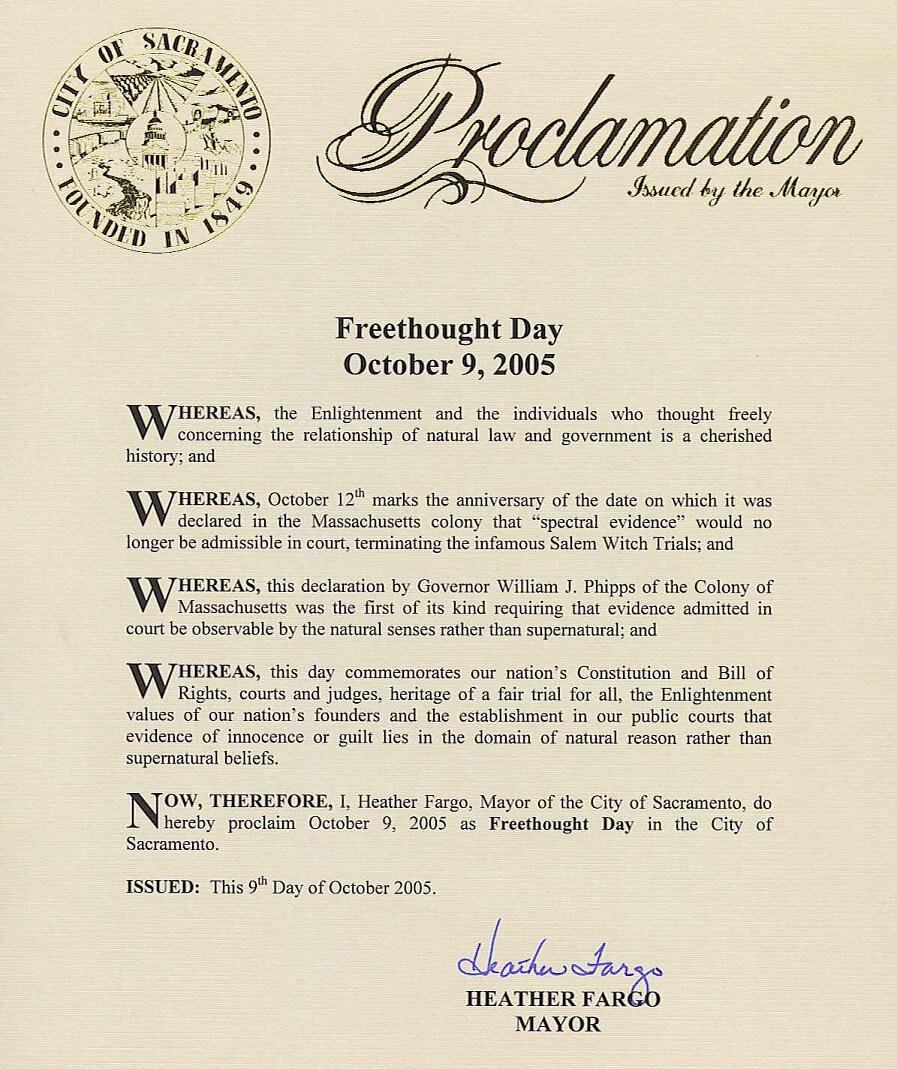
The Enlightenment in the 17th and 18th centuries was a major turning point. Thinkers began to emphasize reason, skepticism, and intellectual freedom. This created an environment where religious dogma could be openly questioned. In 1772, French philosopher Baron d'Holbach published Common Sense, one of the first openly atheistic books in modern Western history.
In the 19th century, figures like Ludwig Feuerbach, Karl Marx, and Friedrich Nietzsche offered influential critiques of religion. Nietzsche's famous declaration that "God is dead" was not a triumphant shout but a commentary on the declining role of Christian belief in a world increasingly shaped by scientific understanding.
Common Misconceptions
Atheism is frequently misunderstood. Let's clear up a few common points of confusion.
Atheism is not a religion. It has no holy books, no dogma, and no required rituals. It's simply a response to the question of belief in a god. If atheism is a religion, then not collecting stamps is a hobby.
Another misconception is that atheism implies immorality. Morality is a complex field studied by philosophers for centuries, and ethical systems can be grounded in reason, empathy, and social contracts without any need for a divine lawgiver. Many atheists find their moral compass in humanism, a worldview that emphasizes human well-being and reason.
Finally, atheism is not the same as state-enforced political ideologies, like those in some 20th-century communist states. State atheism was a political tool used to suppress religious institutions, which is a very different thing from an individual's personal lack of belief in a deity.
Now that we've established a clearer understanding of what atheism is (and isn't), let's check your knowledge.
What is the fundamental definition of atheism?
Atheism primarily addresses the question of ______, while agnosticism primarily addresses the question of ______.
Understanding these definitions and distinctions helps create a foundation for more nuanced conversations about belief, knowledge, and worldviews.