At-Home Nature Preschool Curriculum
Natural Classroom Setup
Creating Your Living Laboratory
Let's transform your home and yard into a space where learning happens naturally. This isn't about buying expensive kits or turning your house into a formal school. It's about creating a 'prepared environment,' a place where curiosity is sparked by the world right outside your door. The goal is to set up a consistent, accessible space that blends active exploration with the building blocks of academic readiness.
The Montessori "prepared environment" of the preschool classroom is a "living room" for children, which is designed to facilitate maximum independent learning and exploration by each child.
We'll start by establishing two core areas: an indoor Nature Table that acts as a museum of local wonders, and an Outdoor Discovery Zone for hands-on, messy fun. These spaces will become the foundation for a year of discovery, changing with the seasons and your child's growing interests.
The Indoor Nature Table
Designate a small table or a low, sturdy shelf as your official Nature Table. This is your child's personal exhibit space, a place to display treasures found on walks and observe the rhythm of the seasons. Since you're in Virginia, this table can become a beautiful reflection of the region's unique natural cycle.
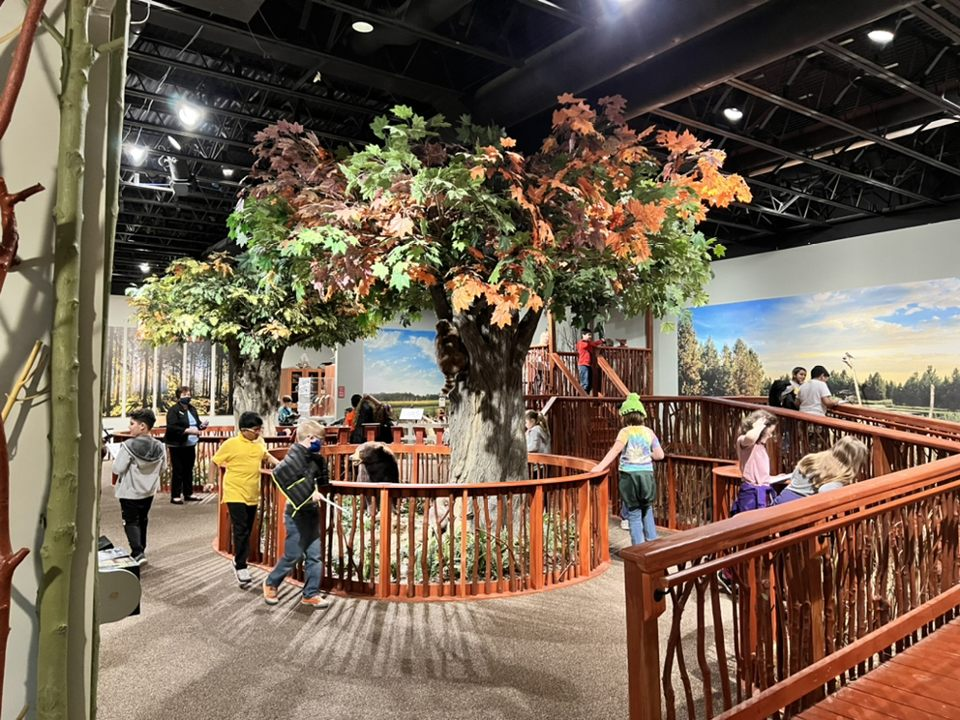
Place this table near a window if possible to provide natural light for observations. The key is keeping it dynamic. Rotate items based on what's happening outside. A collection of colorful autumn leaves gives way to pinecones and bare branches in winter, then to buds and blossoms in the spring. This constant change teaches the concept of seasons in a tangible way.
| Season | Shenandoah-Inspired Items |
|---|---|
| Autumn | Red maple leaves, acorns, hickory nuts, milkweed pods |
| Winter | Pinecones, evergreen sprigs, interesting rocks, bird feathers |
| Spring | Redbud blossoms, pussy willow cuttings, empty snail shells |
| Summer | Queen Anne's Lace, cicada shells, smooth river stones |
Accessibility is crucial. Use low shelving nearby to store tools for exploration. This includes a child-sized magnifying glass for close-up looks, clear specimen jars (plastic is best) for holding interesting finds, and a simple with chunky crayons or pencils. Making these tools easy for your child to grab and use on their own fosters independence.
The Outdoor Discovery Zone
Your yard is the other half of this living laboratory. Designate a specific area as the 'Discovery Zone.' It doesn't need to be large, but it should be a space where it's okay to get a little messy. This zone is all about tactile learning through —dedicated spots for interacting with different natural materials.
Your three main stations should be:
- A Mud Station: This can be as simple as a designated patch of dirt you keep moist, or a low basin or
mud kitchen' where your child can mix soil and water. 2. A Water Station: A shallow tub of water on the ground or a small water table works perfectly. Add cups, funnels, and sponges for pouring and experimenting. 3. A Loose Parts Station: This is a collection of natural, non-food items. Think pinecones, sticks of various sizes, smooth river stones, large seeds, and leaves. These open-ended materials can become anything in a child's imagination.
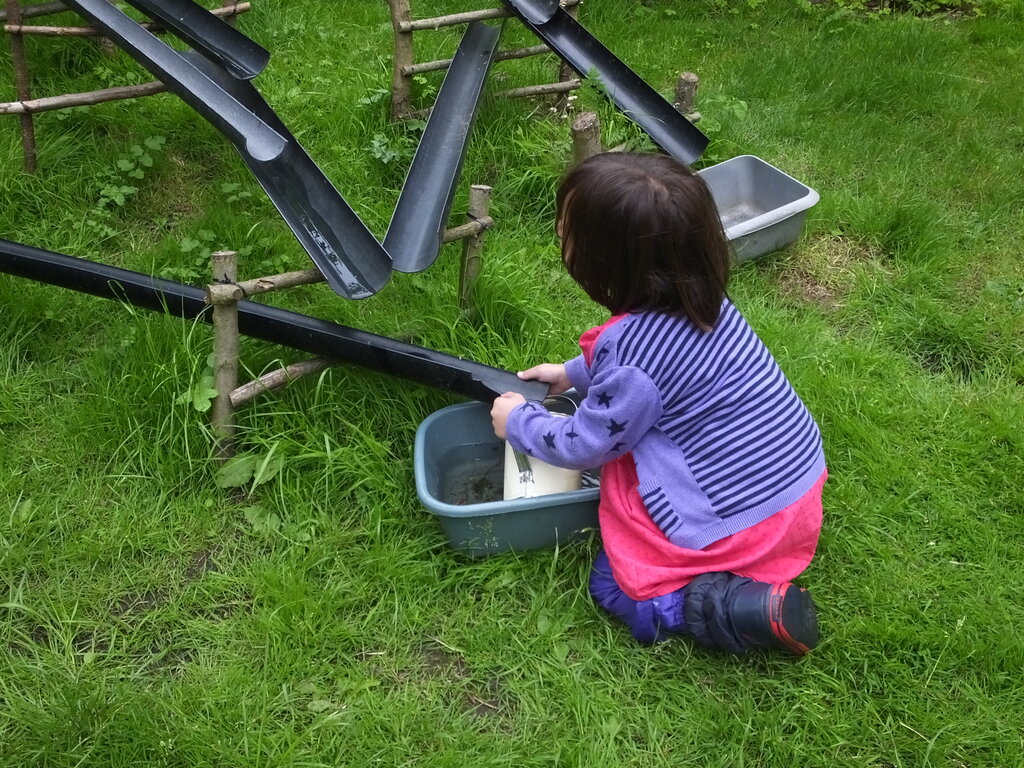
Before letting exploration begin, establish clear boundaries. Walk the edge of the Discovery Zone with your child and explain that this is their special area for nature play. Simple rules like "We keep the mud in the mud patch" and "Tools stay in the Discovery Zone" help provide structure. Safety is about setting expectations, not limiting freedom within the prepared space.
Now that you have your indoor and outdoor environments set up, let's test your knowledge.
What is the primary purpose of creating a 'prepared environment' as described in the text?
According to the guide, where is the ideal location for the indoor Nature Table?
With these dedicated spaces, you've created a powerful foundation for learning. Your child now has a consistent and engaging environment to explore, question, and connect with the natural world on their own terms.