Astronaut Digital Twin Software Solutions
Astronaut Digital Twin Uniqueness
A Hostile Environment
The human body is fine-tuned for life on Earth. Take it into space, and things start to change, quickly. Without the constant pull of gravity, bones lose density and muscles begin to atrophy. Fluids shift upwards, putting pressure on the eyes and cardiovascular system. It’s not one single problem, but a cascade of interconnected physiological shifts.
Beyond Earth’s protective magnetosphere, astronauts are exposed to significantly higher levels of cosmic radiation, increasing long-term health risks. A digital twin for an astronaut can't just be a static health record. It must model these complex, interacting processes in a way that ground-based medical software never has to consider. It needs to simulate the body’s response to an environment it never evolved to handle.
Life in a Closed Box
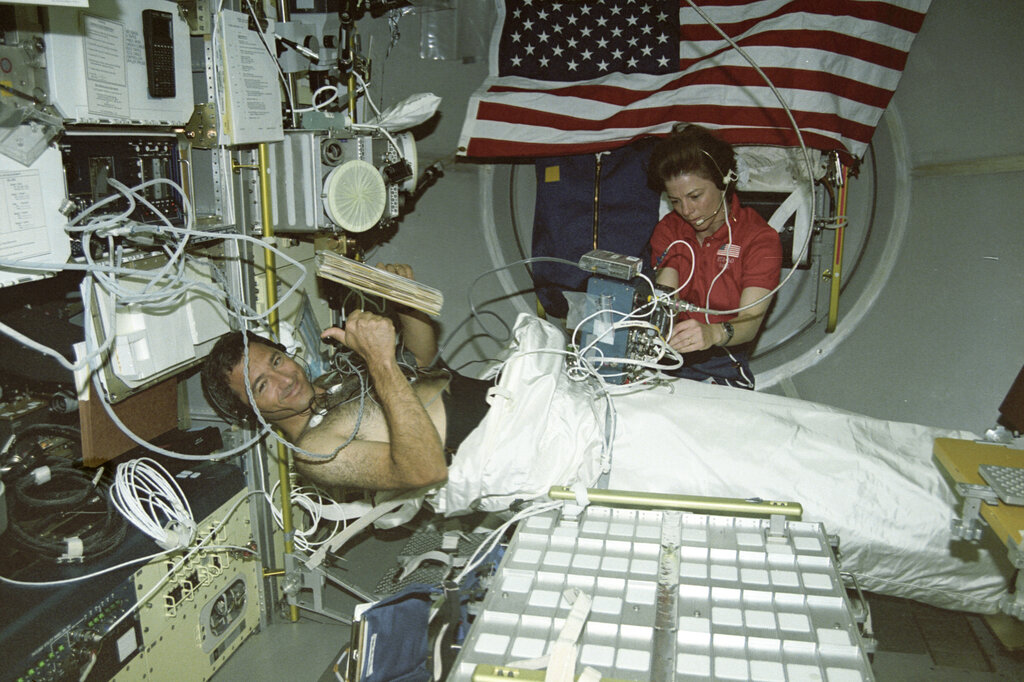
An astronaut's habitat, whether a space station or a planetary base, is a marvel of engineering. It's also a completely artificial, closed-loop system. Every liter of air and water is recycled. Waste must be managed meticulously. This creates a unique set of environmental stressors. A slight malfunction in a life support system can have immediate consequences.
The psychological dimension is just as critical. Astronauts face prolonged isolation and confinement, far from family and familiar comforts. The sun doesn't rise and set every 24 hours; it can do so every 90 minutes on the International Space Station, disrupting natural circadian rhythms and sleep patterns. A digital twin must account for these environmental and psychological inputs, as they directly impact an astronaut’s health and ability to perform complex tasks.
This diagram shows how an astronaut's digital twin is not a single model, but an integration hub. It combines data from the body, the immediate environment, and the mission itself to create a holistic, dynamic picture of astronaut well-being and performance.
Predicting the Future
General human digital twins on Earth often focus on a specific organ or system for a particular medical purpose, like simulating heart surgery or managing diabetes. An astronaut's twin must be far more comprehensive. It needs to model the entire human system and its intricate interactions with a completely alien environment.
More importantly, its purpose is fundamentally different. While a terrestrial twin might monitor a chronic condition, an astronaut twin must be predictive. Given the communication delays and limited medical facilities in space, the goal isn’t just to react to problems, but to forecast them. The software must be able to run simulations: what is the likely impact of a scheduled spacewalk on this astronaut’s electrolyte balance? How will a change in the sleep schedule affect their cognitive performance three days from now?
This predictive power is what makes the software unique. It transforms the digital twin from a sophisticated monitoring tool into an essential co-pilot for mission planning and astronaut safety.
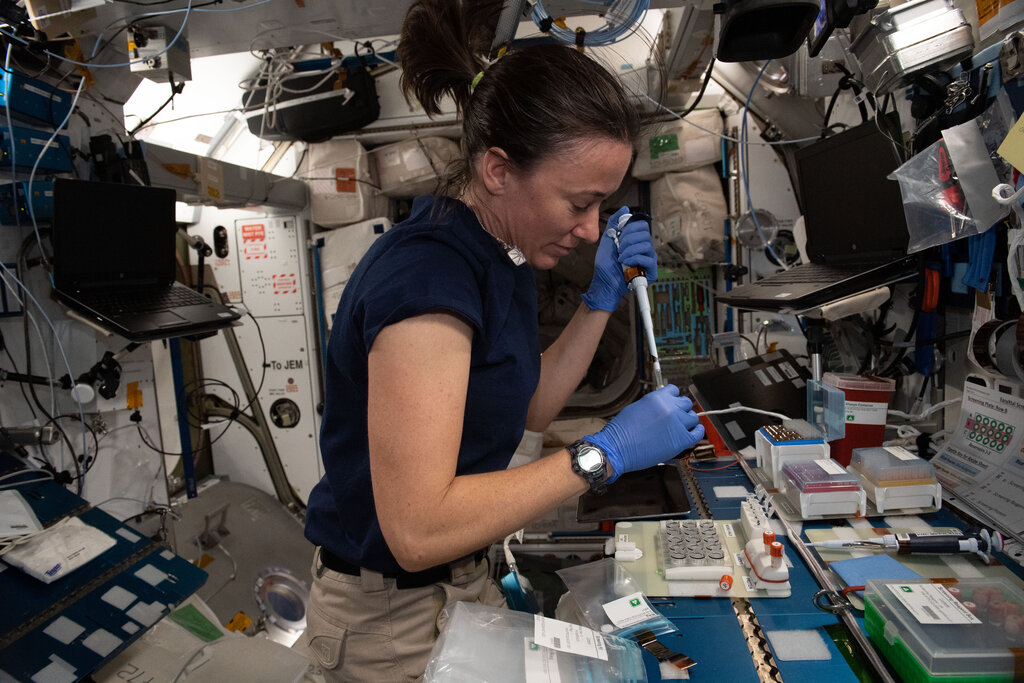
The software must be incredibly resilient, capable of operating autonomously when the connection to Earth is lost. It needs to integrate disparate, real-time data streams—from wearable biosensors to cabin air quality monitors—and use them to continuously update its predictive models. These are not requirements for typical medical software; they are born from the extreme context of human spaceflight.
What is the primary reason an astronaut's digital twin must be more comprehensive than a typical digital twin used on Earth for medical purposes?
Which of the following physiological changes is a direct result of long-term exposure to microgravity?
Ultimately, the software behind an astronaut's digital twin is a specialized solution for a unique set of problems. It provides the foundation for keeping humans safe and effective as they explore farther from home.