Astrology Demystified
Introduction to Astrology
What Is Astrology?
At its core, astrology is the study of how the movements of celestial bodies—like planets and stars—might relate to life on Earth. It works from the idea that the cosmos is a map. The positions of the planets at a specific moment, like your birth, can offer insights into personality, relationships, and life events.
Think of it this way: the Sun's position clearly determines our seasons and daily cycles. Astrology expands this concept, suggesting that other bodies like Mars or Jupiter also exert a subtle influence. It’s a practice of finding meaning in the patterns of the sky.
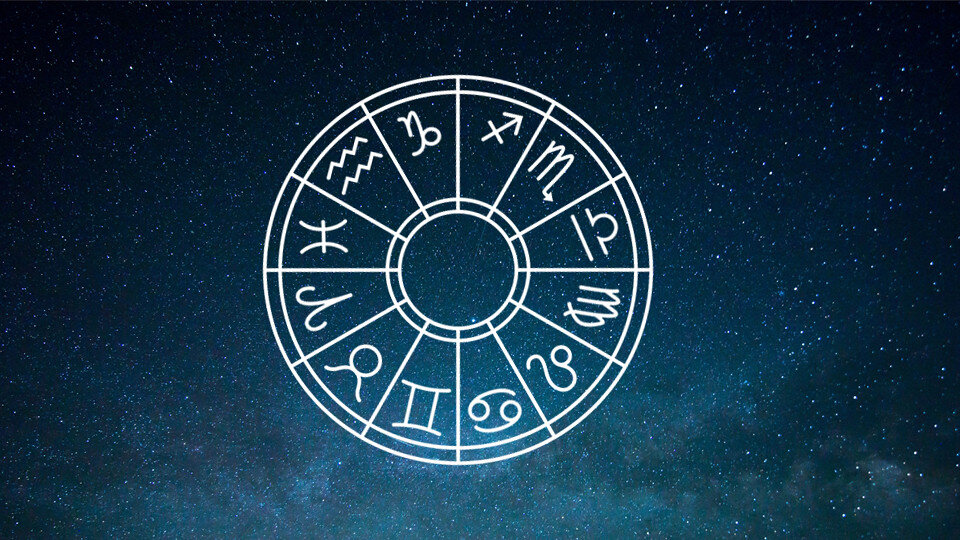
This search for cosmic meaning has been around for thousands of years. But it’s important to distinguish it from its scientific cousin, astronomy.
Not Quite Astronomy
While both look at the same sky, they ask different questions and use different methods. Astronomy is the scientific study of everything outside of Earth's atmosphere, including planets, stars, and galaxies. It relies on the scientific method—observation, experimentation, and physical evidence—to understand the universe.
Astrology, on the other hand, is a belief system or a symbolic language. It interprets the positions of celestial objects to understand human character and destiny. It doesn't use the scientific method for verification and is considered a pseudoscience.
| Feature | Astrology | Astronomy |
|---|---|---|
| Goal | Interpret influence on human affairs | Understand physical laws and objects |
| Method | Symbolic interpretation | The scientific method |
| Classification | Belief system / Pseudoscience | Natural science |
So, an astronomer might study the chemical composition of Mars, while an astrologer might interpret what Mars's position in the sky means for someone's energy levels or ambition.
A Global History
Astrology isn't a modern invention. Its roots run deep through many ancient civilizations, each developing its own unique systems. For millennia, people have looked to the heavens for guidance and understanding.
Astrology has woven itself into human history as a guiding force, influencing civilizations and cultures from ancient times to the modern world.
Ancient Babylonians, Egyptians, Greeks, and many other cultures developed sophisticated astrological traditions. They used the movements of the planets to predict seasonal shifts, political events, and personal fates. In many cases, astrology and astronomy were intertwined, and one couldn't be studied without the other.
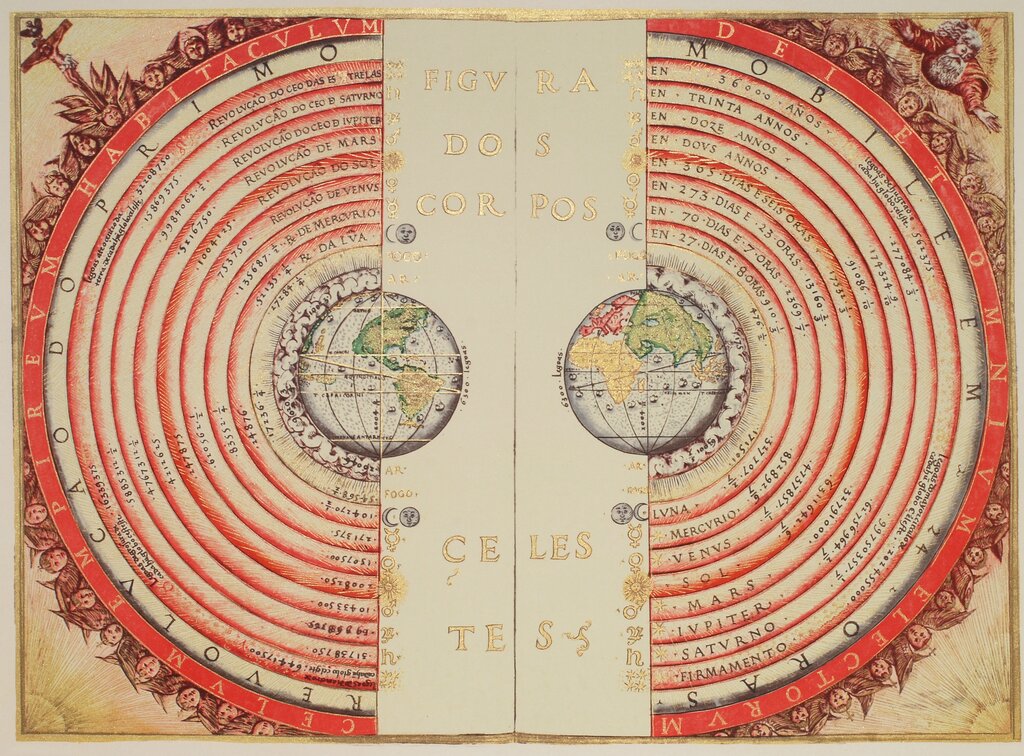
Though science has since separated the two fields, astrology's long history shows our enduring desire to find a connection between ourselves and the cosmos. It remains a tool for self-exploration for many people around the world.