Asteroids Unveiled
Asteroid Basics
What Are Asteroids?
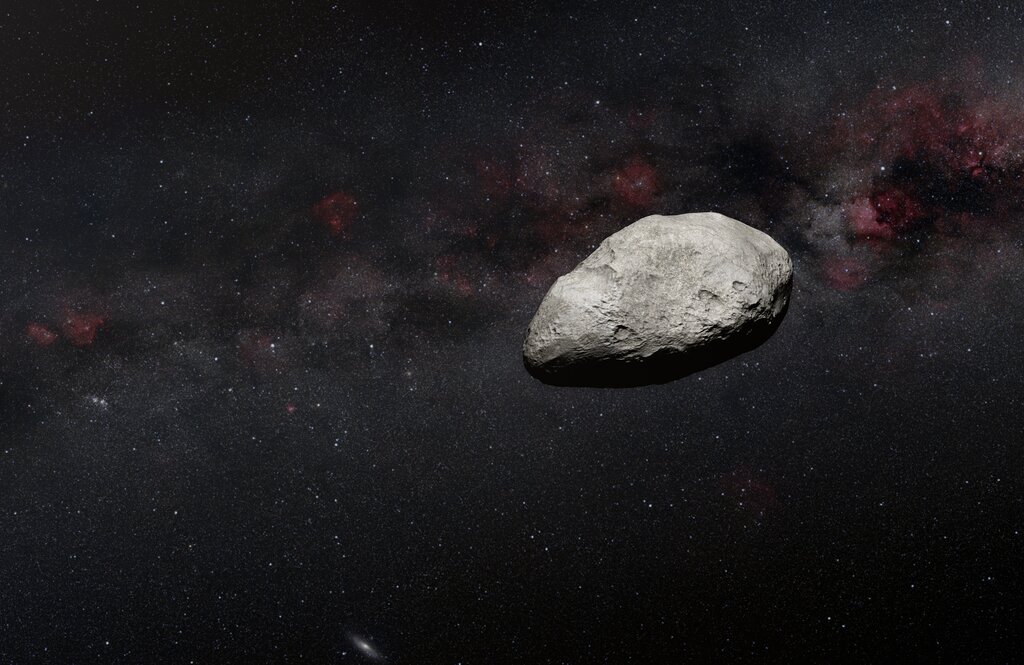
Asteroids are rocky, airless leftovers from the formation of our solar system about 4.6 billion years ago. Think of them as the building blocks of planets that never quite came together. They are sometimes called minor planets.
They come in all shapes and sizes. Some are as small as pebbles, while the largest, Ceres, is about 587 miles (945 kilometers) in diameter. Unlike planets, most asteroids have irregular, lumpy shapes because they aren't massive enough for gravity to pull them into a sphere.
The Asteroid Belt
Most asteroids in our solar system live in a vast, doughnut-shaped ring between the orbits of Mars and Jupiter. This region is known as the main asteroid belt. It’s not a crowded, chaotic place like you might see in movies. The asteroids are spread out over such a large area that spacecraft can fly through the belt without much risk of a collision.
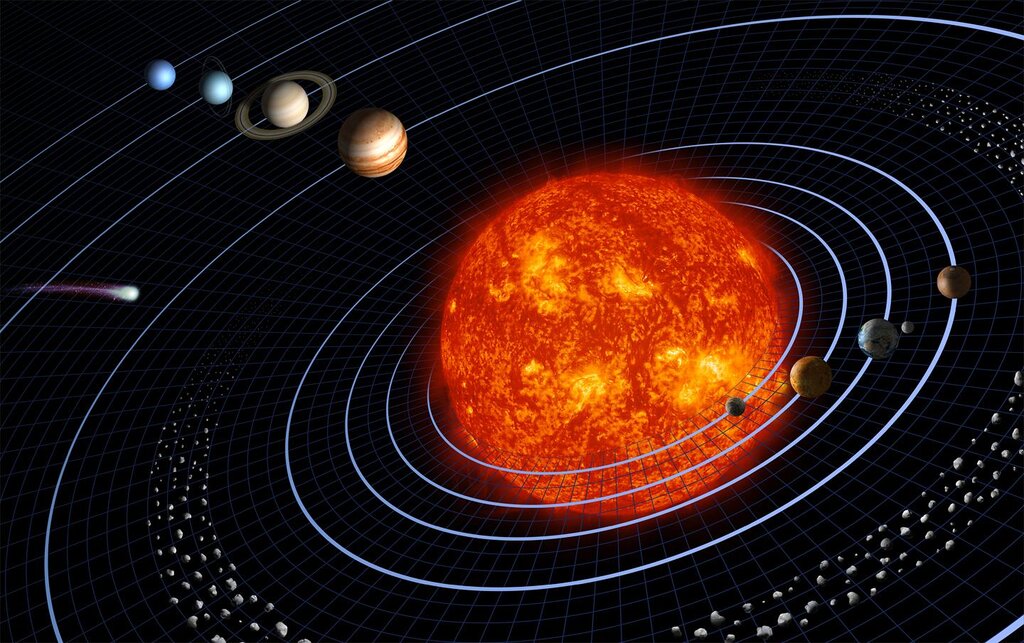
Why is the belt there? It's thought that Jupiter's powerful gravity disrupted the formation of a planet in this region. Instead of clumping together, the rocky bodies were stirred up, occasionally colliding and breaking apart, forming the collection of asteroids we see today.
Three Main Types
Asteroids are not all the same. Scientists classify them based on their composition, which we can estimate by looking at how they reflect sunlight. The three main types give us clues about where in the solar system they formed.
| Type | Composition | Appearance | Location |
|---|---|---|---|
| C-type | Carbon, clay, silicate rocks | Dark, like charcoal | Outer regions of the belt |
| S-type | Silicate materials, nickel-iron | Brighter, stony | Inner regions of the belt |
| M-type | Mostly nickel-iron | Metallic, reflective | Middle region of the belt |
C-type, or carbonaceous, asteroids are the most common, making up about 75% of those known. They are among the oldest objects in the solar system. S-type, or silicaceous, asteroids are the next most common. M-type, or metallic, asteroids are much rarer and are thought to be the iron cores of ancient, shattered proto-planets.
Cosmic Time Capsules
The first asteroid was discovered by accident. On January 1, 1801, Italian astronomer Giuseppe Piazzi spotted a small body orbiting between Mars and Jupiter. He named it Ceres. At first, he thought it was a new planet, but as more similar objects were found in the same region, it became clear they were a new class of celestial body.
Today, Ceres is classified as a dwarf planet because it's large enough for its own gravity to have pulled it into a round shape. It remains the largest object in the asteroid belt.
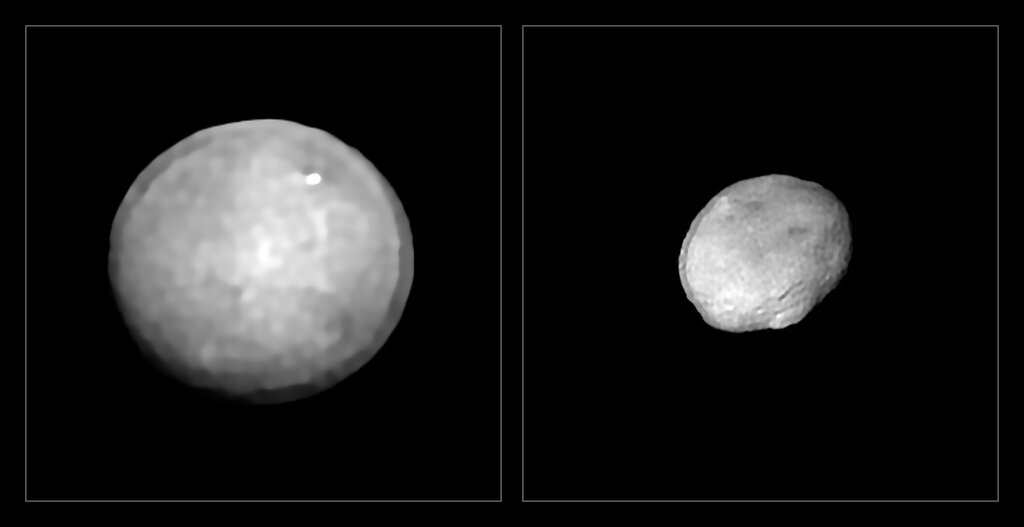
Why do we study these space rocks? Because they are essentially fossils from the early solar system. Planets have changed dramatically over billions of years due to geological activity and weather. Most asteroids, however, have remained largely unchanged. By studying their composition, we can get a direct look at the raw materials that formed Earth and the other planets.