Associate Product Manager Essentials
Introduction to Product Management
What is Product Management?
Product management is the art and science of guiding a product from a simple idea to a successful launch and beyond. Think of a product manager as the captain of a ship. They don't row the oars, hoist the sails, or build the engine, but they are responsible for setting the destination and ensuring the ship gets there safely and efficiently.
The captain's job is to understand the weather (the market), the condition of the ship (technology), and the needs of the passengers (the users). By balancing these elements, they steer the entire crew toward a common goal.
Product management is the strategic practice of driving the development, market launch, and continual support and improvement of a company's products.
Without this guidance, teams can easily get lost. Designers might create something beautiful but difficult to build. Engineers might build something technically brilliant but that nobody wants to use. Business leaders might set goals that are disconnected from what customers actually need.
Product management is the glue that holds these different functions together. It ensures that the company invests its time, money, and effort into building products that solve real problems for real people, ultimately helping the business succeed.
The Product Team
Creating a great product is never a solo effort. It takes a team of specialists, each bringing their unique skills to the table. While teams vary, they are typically built around a core trio.
Here's a breakdown of the key players:
-
Product Managers are the strategists. They focus on the why and the what. Why are we building this? What problem does it solve? What should we build next? They represent the voice of the customer and are responsible for the product's overall vision and goals.
-
Designers are the advocates for the user. Often called UX (User Experience) or UI (User Interface) designers, they focus on how the product feels and works. They conduct research to understand user behaviors and create wireframes, mockups, and prototypes that are intuitive and easy to use.
-
Engineers are the builders. Also known as developers, they are responsible for the technical implementation of the product. They take the designs and requirements and write the code that brings the product to life, ensuring it's functional, stable, and secure.
Note: It's important to keep in mind that creating a product is a team sport and so it is NOT the product manager's job to do all of these activities on their own.
These three roles work in constant collaboration. The product manager defines the problem, the designer explores a solution, and the engineer builds it. It's a continuous cycle of communication and feedback.
A Product's Journey
Products aren't born overnight. They evolve through a series of stages known as the product lifecycle. While the details can change from company to company, the journey generally follows a common path.
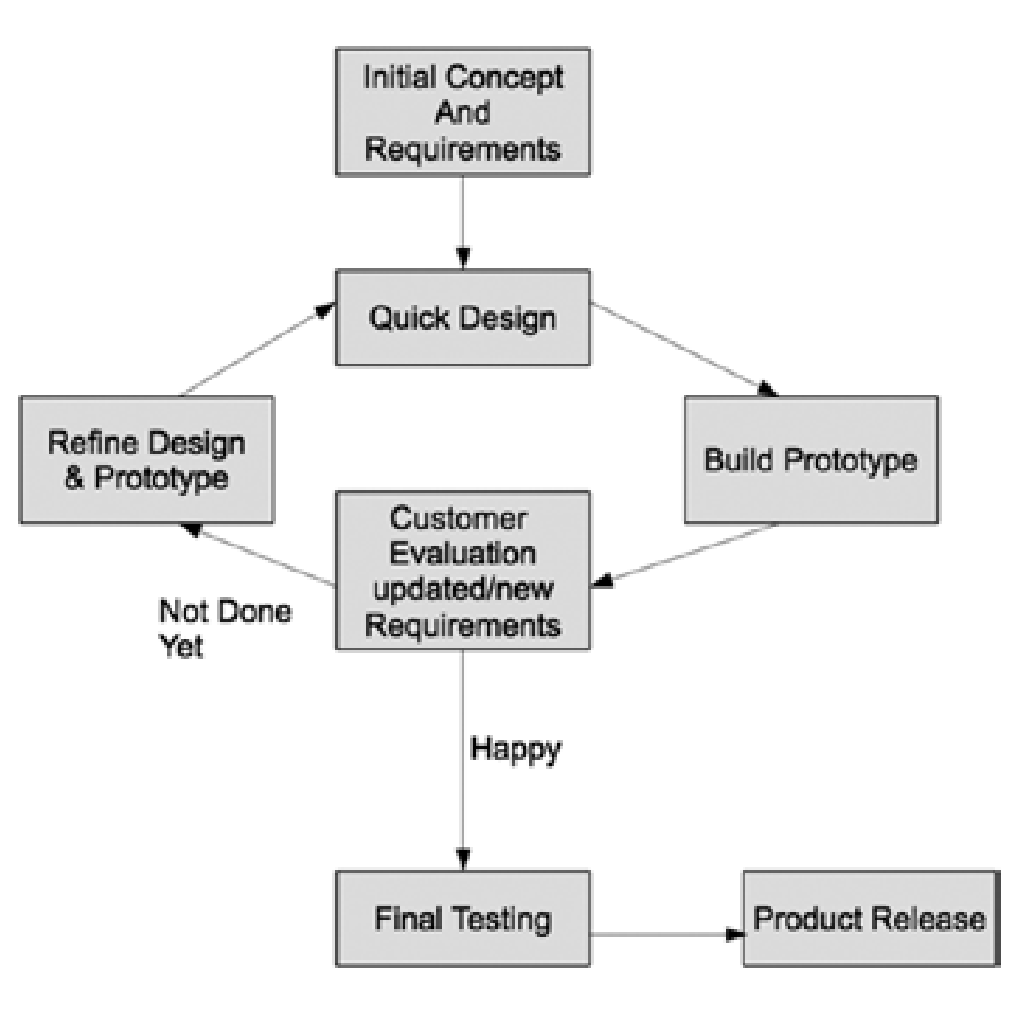
Here are the key phases:
1. Ideation & Discovery This is the very beginning, where the team identifies problems to solve or opportunities to pursue. It involves brainstorming, market research, and talking to potential customers to understand their pain points.
2. Definition & Planning Once a promising idea is identified, the team defines what the product will actually be. The product manager works to create a product roadmap, which is a high-level plan that outlines the vision, direction, and priorities over time. The team decides on the core features for the first version.
3. Design & Development This is the building phase. Designers create the look and feel of the product, and engineers write the code to make it work. This stage is highly collaborative, with teams often working in short cycles to build and test small pieces of the product.
4. Launch The product is released to the public. This involves marketing and sales efforts to make sure potential customers know about the new solution. The work isn't over, though. In fact, it's just beginning.
5. Post-Launch & Iteration After the launch, the team gathers data and user feedback to see how the product is performing. They look for bugs to fix, features to improve, and new opportunities to explore. This feedback fuels the next cycle of the product's life, leading to ongoing updates and improvements.
This cycle of learning and improving is at the heart of modern product management.