Asset Management Essentials
Introduction to Asset Management
What Is an Asset?
In simple terms, an asset is anything that has value to an organization. It's a resource that helps the business achieve its goals. This isn't just about physical items you can touch, like buildings, vehicles, or computers. Assets can also be intangible, things like software licenses, brand reputation, or intellectual property like patents.
Asset
noun
A resource with economic value that an individual, corporation, or country owns or controls with the expectation that it will provide a future benefit.
Thinking about everything a company owns as an asset helps shift the perspective. A delivery truck isn't just a truck; it's a tool that generates revenue. An office building isn't just a structure; it's a resource that enables employees to do their work. Recognizing this value is the first step toward managing it effectively.
The Goal of Asset Management
Asset management is the process of getting the most value from these assets. It’s a systematic approach to planning, acquiring, operating, maintaining, and disposing of assets in the most effective way possible. The goal is to balance costs, risks, and performance to meet the organization's objectives.
Think of it as a strategic balancing act. You want to maximize the performance of your assets while minimizing the cost and risk of owning them over their entire lifetime.
Effective asset management helps answer critical questions like:
- When is the right time to repair or replace a piece of equipment?
- Are we getting the best possible performance from our software licenses?
- How can we reduce the risk of a critical machine failing?
The Life of an Asset
Every asset has a lifecycle, a journey from its creation or purchase to its eventual retirement. Understanding this cycle is fundamental to managing assets well. It allows organizations to make informed decisions at every stage, ensuring they get the maximum value from their investments.
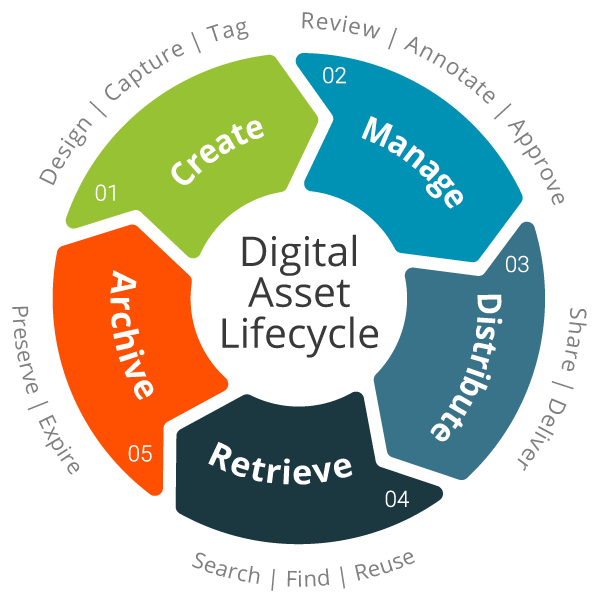
The lifecycle can be broken down into a few key stages:
-
Acquisition: This is the beginning. It involves identifying the need for an asset, planning for its purchase, and then acquiring it. This could mean buying a new server, developing a new piece of software, or constructing a building.
-
Operation & Maintenance: This is the longest phase in the asset's life. The asset is put to use to deliver value. During this stage, regular maintenance is performed to ensure it operates efficiently and reliably. This includes everything from routine software updates to repairing machinery.
-
Disposal: Eventually, an asset reaches the end of its useful life. It might become obsolete, too expensive to maintain, or no longer needed. The disposal phase involves retiring, replacing, or selling the asset in a way that is cost-effective and environmentally responsible.
By managing each phase thoughtfully, an organization can ensure its assets are always working for it, not against it.
Let's check your understanding of these core concepts.
Which of the following best describes an asset in the context of an organization?
Asset management is primarily concerned with minimizing the purchase cost of new equipment.
Understanding these fundamentals provides a solid base for exploring the more detailed aspects of asset management.