Assessing Oral Skills of New Spanish Speakers in France
Understanding Oral Proficiency
What is Oral Proficiency?
Knowing a language is more than just memorizing vocabulary lists and grammar rules. True mastery comes from being able to use that language to communicate effectively in real-life situations. This is the core of oral proficiency: the ability to speak a language to accomplish a task.
Proficiency
noun
The ability to use language to perform real-world tasks in a spontaneous and non-rehearsed context.
Think of it like learning to cook. You can read all the cookbooks you want (vocabulary and grammar), but proficiency is about actually being able to prepare a meal (having a conversation). It’s about navigating conversations, expressing your thoughts clearly, and understanding others. This skill is crucial whether you're ordering a coffee, participating in a business meeting, or making new friends in a new country.
Measuring Speaking Skills
If oral proficiency is the goal, how do we measure progress toward it? To solve this, language experts have developed standardized frameworks. These systems provide a common language for learners, teachers, and institutions to describe speaking ability in a consistent way.
One of the most widely used systems is the Common European Framework of Reference for Languages, or CEFR. It breaks down language ability into six levels, from basic user to master.
| Level | Description | What It Means |
|---|---|---|
| A1 | Beginner | Can use basic phrases and introduce yourself. |
| A2 | Elementary | Can handle simple, routine tasks. |
| B1 | Intermediate | Can deal with most situations while traveling. |
| B2 | Upper Inter. | Can interact with a degree of fluency. |
| C1 | Advanced | Can use language for social & professional purposes. |
| C2 | Mastery | Can understand and express almost everything easily. |
Another major framework, especially common in the United States, is the American Council on the Teaching of Foreign Languages (ACTFL) Proficiency Guidelines. The ACTFL scale describes what a speaker can do with the language, categorizing them into levels like Novice, Intermediate, Advanced, and Superior. While CEFR focuses on broad competence, ACTFL often emphasizes the specific tasks a speaker can accomplish at each level.
These frameworks aren't just for tests. They give you a roadmap for your learning, helping you understand what skills to work on next to reach the next level of fluency.
Proficiency in a Multilingual World
Assessing oral proficiency is especially important in multilingual settings. Consider a native Spanish speaker who is learning French for work. A formal assessment of their French speaking skills does more than just assign a level. It pinpoints specific areas for improvement, like pronunciation of certain sounds or the use of specific grammatical structures that differ from Spanish.
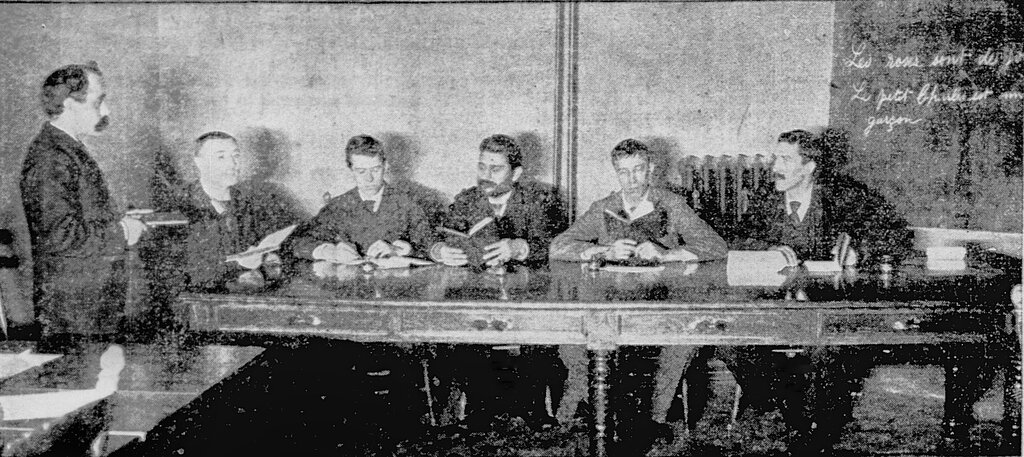
This targeted feedback helps the learner adapt more quickly and build confidence. Understanding their proficiency level helps them know what communication challenges to expect and how to prepare for them. It’s about understanding a person’s functional ability to communicate in a new linguistic environment, which is the ultimate goal of learning a new language.
What is the core concept of oral proficiency as described in the text?
The text compares knowing vocabulary and grammar to reading cookbooks. What does actually being able to prepare a meal represent in this analogy?
Understanding these frameworks is the first step in tracking your own language journey. They provide clear benchmarks as you move from simply knowing words to using them with confidence.