Assessing Business Health
Financial Statements
Your Company's Financial Check-Up
Think of a company's financial health like your own. You might have a general sense of how you're doing, but to get a clear picture, you need data. For a business, that data comes from three core documents: the balance sheet, the income statement, and the cash flow statement. Together, they tell the story of where a company stands, how it performed, and where its money came from and went.
The three primary financial statements are the income statement, cash flow statement, and balance sheet.
Let's look at each one. While they each tell a different part of the story, their real power comes from how they work together.
The Balance Sheet: A Snapshot
The balance sheet is a snapshot of a company's financial position at a single point in time. It shows what a company owns and what it owes. It's built on a fundamental equation that must always, as the name implies, balance.
- Assets are everything the company owns that has value. This includes cash, inventory, equipment, and buildings.
- Liabilities are what the company owes to others. Think of loans, bills from suppliers, and other debts.
- Equity is what's left over for the owners after you subtract liabilities from assets. It's the owners' stake in the company.
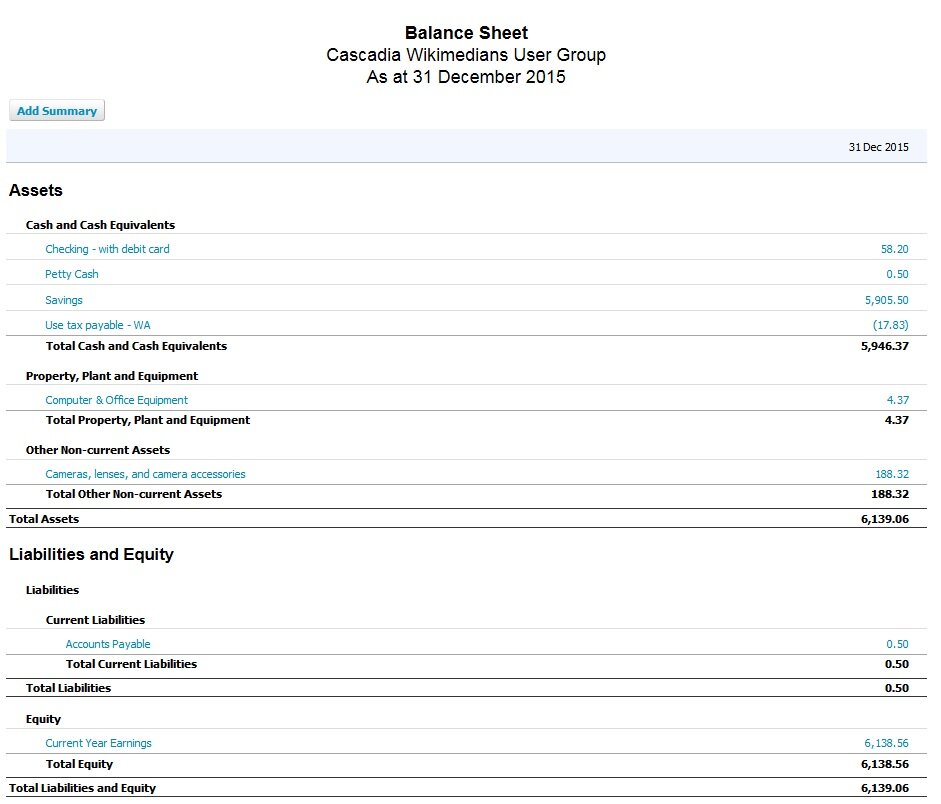
Imagine a coffee shop. Its assets would be the cash in the register, the espresso machine, and the beans in the back. Its liabilities might be a loan for the machine and the bill for this month's milk delivery. The equity is the owner's investment and any profits the shop has kept over time.
| Assets | Liabilities & Equity | ||
|---|---|---|---|
| Cash | $10,000 | Accounts Payable | $5,000 |
| Equipment | $20,000 | Loan Payable | $10,000 |
| Inventory | $5,000 | Total Liabilities | $15,000 |
| Owner's Equity | $20,000 | ||
| Total Assets | $35,000 | Total Liabilities & Equity | $35,000 |
The Income Statement: A Video
If the balance sheet is a snapshot, the income statement is a video. It shows a company's financial performance over a period of time, like a quarter or a year. It's also called a Profit and Loss (P&L) statement for a simple reason: it tells you if the company made a profit or a loss.

It follows a straightforward formula:
- Revenues are the total amount of money generated from sales of goods or services.
- Expenses are the costs incurred to generate those revenues, like employee salaries, rent, and the cost of coffee beans.
- Profit, or Net Income, is what's left after subtracting expenses from revenues. This is the famous "bottom line."
| Description | Amount |
|---|---|
| Revenue | |
| Coffee Sales | $50,000 |
| Expenses | |
| Cost of Goods Sold | $15,000 |
| Salaries | $10,000 |
| Rent | $5,000 |
| Utilities | $2,000 |
| Total Expenses | $32,000 |
| Net Income (Profit) | $18,000 |
The Cash Flow Statement: The Detective
The cash flow statement explains how a company's cash balance changed over a period. Profit is important, but cash is king. A company can be profitable on paper but still run out of money. This statement acts like a detective, tracing the movement of cash through three main activities.
Operating Activities: Cash from the main business operations, like selling coffee and paying suppliers.
Investing Activities: Cash used to buy or sell long-term assets, like a new oven or a delivery van.
Financing Activities: Cash from investors or banks, or cash paid out to them. Think taking out a loan or paying dividends.
This statement starts with net income and then adjusts for non-cash items (like depreciation) and changes in working capital to find the true cash generated by the business.
How They All Connect
These statements aren't independent; they are intricately linked and tell a cohesive story.
-
The Net Income from the income statement flows into the Equity section of the balance sheet. It increases the owners' stake in the company (specifically, an account called Retained Earnings).
-
The cash flow statement starts with Net Income from the income statement to begin its calculation of cash from operations.
-
The cash flow statement explains the change in the Cash account on the balance sheet from the beginning of the period to the end.
By reading them together, you get a full story. The income statement shows the performance, the cash flow statement shows the real cash movements, and the balance sheet shows the result of all past activities on the company's financial position.
Time to see what you've learned about these core reports.
Which financial statement provides a snapshot of a company's assets, liabilities, and equity at a specific point in time?
The fundamental equation for the balance sheet is: Assets = Liabilities + ______.
Understanding these three statements is the first, most crucial step in analyzing a business. They provide the foundation for understanding a company's past, present, and potential future.