Assertive Management Communication
Assertive Communication Fundamentals
What is Assertive Communication?
Assertive communication is a way of expressing your thoughts, feelings, and needs in an open, honest, and direct way. It's about standing up for yourself while also respecting the rights of others. This style isn't about winning an argument; it's about finding a middle ground where all voices are heard.
Think of it as the sweet spot between being a doormat and being a steamroller. It’s confident, clear, and controlled.
When you communicate assertively, you take responsibility for your own feelings without blaming others. You use "I" statements, like "I feel concerned when the deadline is missed," instead of accusatory "you" statements, such as "You always miss the deadline."
This approach builds mutual respect and understanding, making it a cornerstone of effective leadership.
The Communication Spectrum
Most communication styles fall somewhere on a spectrum. On one end is passive communication, and on the other is aggressive. Assertive communication sits right in the healthy, balanced middle.
Understanding where you naturally fall on this spectrum is the first step toward becoming more assertive. Each style has distinct characteristics and outcomes.
| Style | Your Belief | Your Behavior | Outcome |
|---|---|---|---|
| Passive | My needs don't matter. | Avoids eye contact, speaks softly, agrees to avoid conflict. | Needs aren't met; builds resentment. |
| Aggressive | Only my needs matter. | Interrupts, glares, uses blame and intimidation. | Alienates others; creates distrust. |
| Assertive | Our needs both matter. | Makes eye contact, uses a calm tone, listens actively. | Fosters respect; problems get solved. |
Most people aren't purely one style. You might be passive with your boss but aggressive in a high-stress situation. The goal is to make assertiveness your default, especially in your role as a leader.
Assertiveness in Leadership
For leaders, assertive communication isn't just a nice-to-have; it's essential. It’s how you build a team that feels psychologically safe and empowered.
Assertive leaders can give direct, constructive feedback without demoralizing their team. They set clear expectations, delegate effectively, and address problems head-on instead of letting them fester. This transparency builds trust and shows your team that you are fair and reliable.
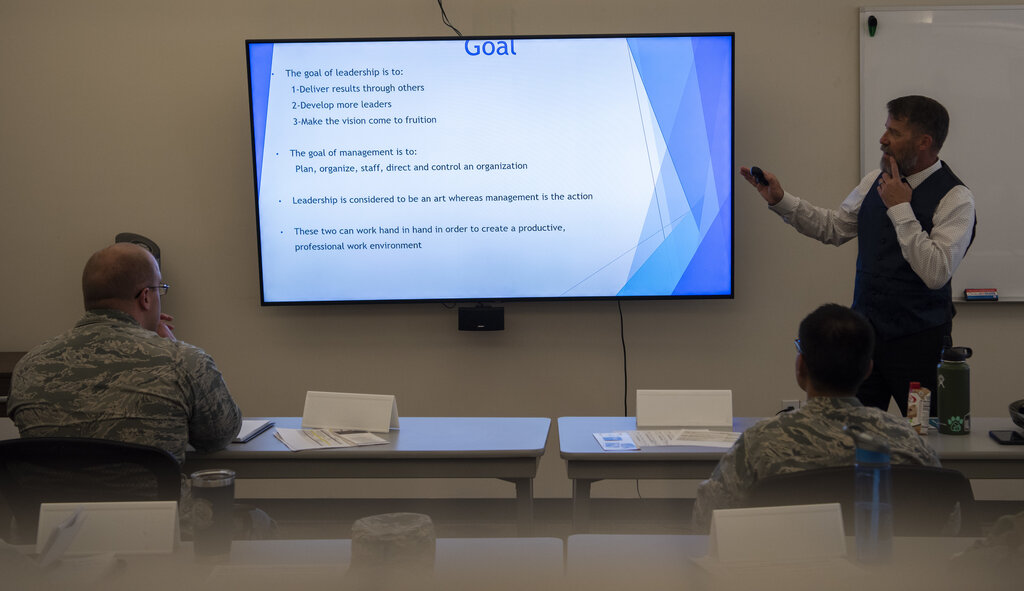
When you model assertiveness, you also empower your team members to communicate the same way. They learn that it’s safe to voice opinions, share ideas, and raise concerns without fear of being shut down or ignored. This creates a culture of open dialogue and collaborative problem-solving.
Assertiveness is one of the most powerful qualities a leader can possess.
Finding Your Style
Before you can build assertive habits, it helps to understand your current tendencies. Think about how you've handled recent workplace situations. Ask yourself:
- Do I often say "yes" to requests when I really want to say "no"?
- Do I avoid giving feedback because I'm worried about hurting someone's feelings?
- Do I find myself getting angry or raising my voice to make a point?
- Do I state my opinions as facts, without leaving room for discussion?
Answering "yes" to the first two questions suggests passive tendencies, while a "yes" to the last two points toward an aggressive style. Recognizing these patterns is the starting point for change.
Once you know your patterns, you can start practicing simple techniques to shift toward a more assertive style.
One powerful tool is the "I" statement. Instead of saying, "You're making this complicated," try, "I'm having trouble following this process. Can we walk through it again?" This simple change shifts the focus from blame to collaboration. It keeps the conversation open and focused on solving the problem, not attacking the person.
Start small. Practice in low-stakes situations, like expressing an opinion on a lunch spot or asking for a small clarification in a meeting. Each successful attempt will build your confidence and make it easier to be assertive when the stakes are higher.
What is the primary goal of assertive communication?
Which of the following statements is the best example of assertive communication?