Assam Administration Explained
Introduction to Assam's Governance
Assam's Governing Framework
Assam's governance operates within the framework of the Constitution of India, just like every other state in the country. This sets up a parliamentary system of representative democracy. At the state level, this system mirrors the national structure, with distinct executive, legislative, and judicial branches that work together to govern.
The state government holds authority over specific areas, such as public health, local government, and agriculture, while sharing responsibility with the central government on others, like education and criminal law.
Executive Leadership
The executive branch is led by two key figures: the Governor and the Chief Minister.
The Governor is the constitutional head of the state, appointed by the President of India. While the Governor's role is largely ceremonial, they represent the central government and hold certain discretionary powers. They act as the formal head of state, and all executive actions are taken in their name.
The real executive power, however, rests with the Chief Minister. The Chief Minister is the head of the government and is typically the leader of the political party or coalition that holds a majority in the state legislature. They lead the Council of Ministers, which is the cabinet responsible for making policy decisions and running the state's various departments.
The Legislative Assembly
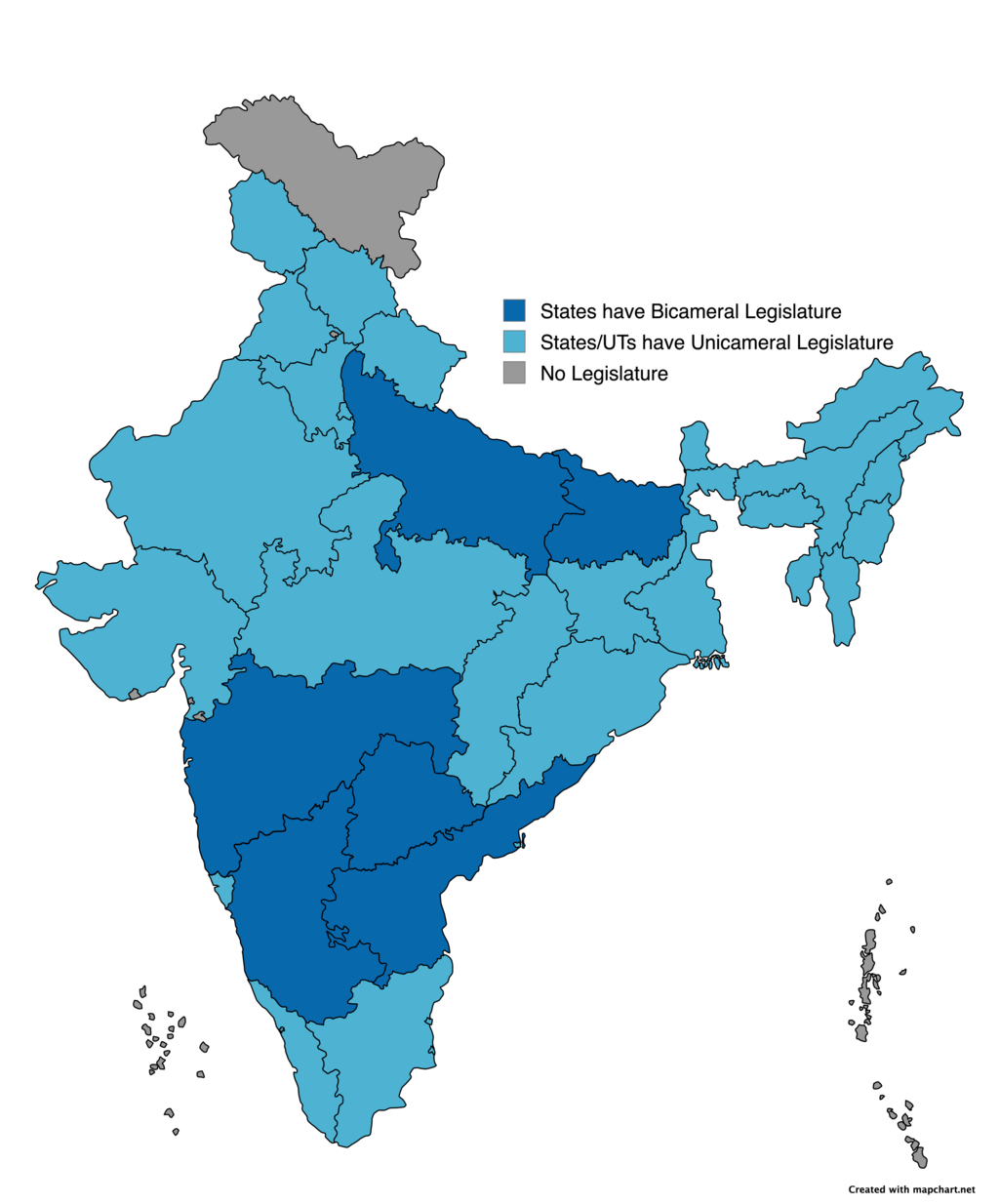
Assam has a unicameral legislature, which means it has a single legislative house. This body is called the Assam Legislative Assembly, or Vidhan Sabha. It consists of 126 members, each elected by the people from a specific constituency for a five-year term.
The primary role of the Legislative Assembly is to make laws on subjects outlined in the State List and Concurrent List of the Indian Constitution. It also controls the state's finances by approving the budget and holds the executive branch accountable for its actions.
State Organization
For effective administration, Assam is divided into several administrative units. The largest units are divisions, which are then subdivided into districts. Each district is managed by a District Collector or Deputy Commissioner, who oversees governance and revenue collection at the local level. Districts are further broken down into smaller units like subdivisions and circles.
The state's judiciary is headed by the Gauhati High Court, located in Guwahati. It is the highest judicial body in Assam and also serves the states of Nagaland, Mizoram, and Arunachal Pradesh. Below the High Court is a network of subordinate courts, including district courts and session courts, which handle civil and criminal cases across the state. This judicial system ensures that laws are interpreted and applied fairly, providing a crucial check on the executive and legislative branches.
Now, let's test your understanding of Assam's governance structure.
Who holds the real executive power in the state government of Assam?
The Assam Legislative Assembly is a unicameral legislature.
Understanding this structure is the first step to seeing how Assam functions as a modern state.