ASMR Unveiled
Introduction to ASMR
What is ASMR?
Have you ever felt a pleasant, static-like tingling sensation in your head from a quiet sound or a gentle touch? If so, you may have experienced Autonomous Sensory Meridian Response, or ASMR.
Autonomous Sensory Meridian Response
noun
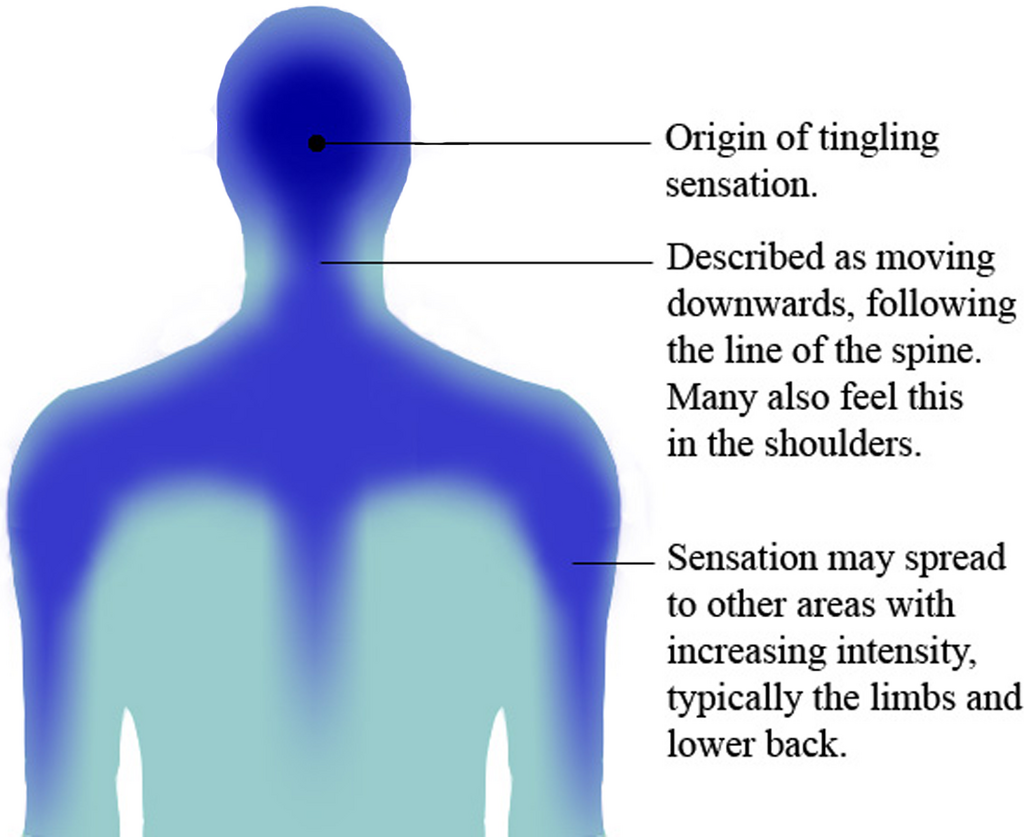
A relaxing, often sedative tingling sensation that typically begins on the scalp and moves down the back of the neck and upper spine.
The term sounds scientific, but the feeling itself is simple and deeply relaxing. People often call it "brain tingles" or a "brain massage." It’s a warm, fuzzy feeling that spreads from the crown of your head downwards, sometimes reaching your shoulders and back. For many, it brings a sense of calm and well-being.
Unlocking the Tingles
So, what causes this feeling? Specific sights and sounds, known as "triggers," are the key. These stimuli are usually quiet, repetitive, and methodical. Triggers can be auditory, like the sound of someone whispering, or visual, such as watching slow, deliberate hand movements.
| Trigger Type | Examples |
|---|---|
| Auditory | Whispering, soft speaking, tapping, crinkling sounds, page turning |
| Visual | Slow hand movements, watching someone focus on a task |
| Personal Attention | Role-plays simulating a haircut, an eye exam, or a gentle check-up |
| Tactile | Light touch, hair brushing (though this is often simulated visually and aurally in videos) |
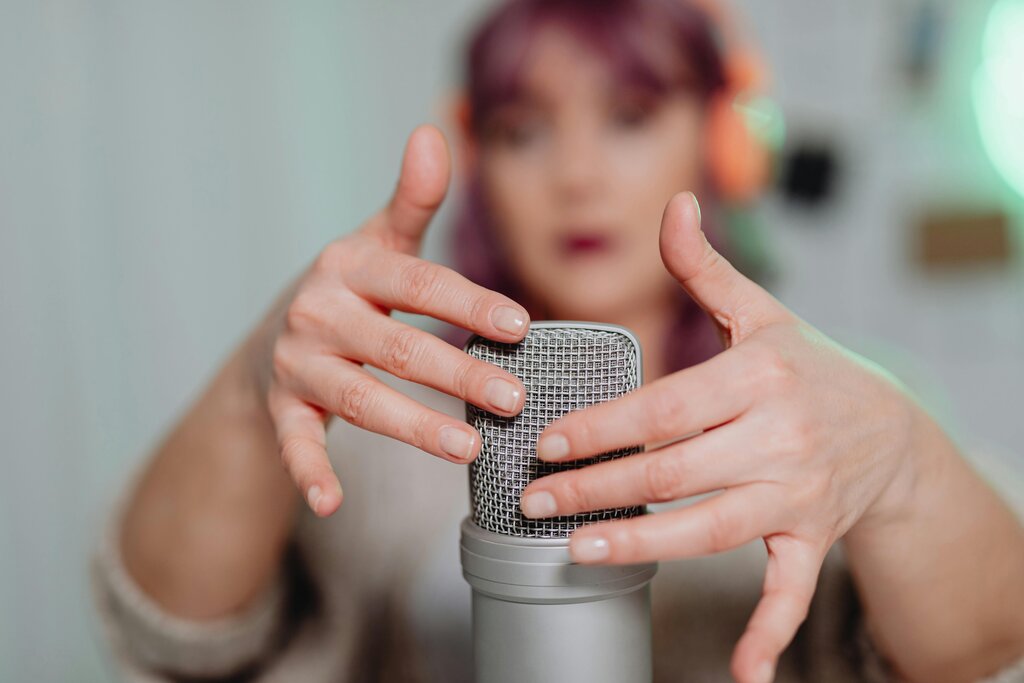
Think about the gentle sound of rain, the soft crinkle of a candy wrapper, or the rhythmic tap of fingers on a wooden desk. These are the kinds of everyday sounds that can be powerful ASMR triggers. Creators who make ASMR content, often called "ASMRtists," use high-quality microphones to capture these sounds in detail.
A Personal Phenomenon
It's important to remember that ASMR is a highly subjective experience. What sends shivers down one person's spine might do nothing for another. Some people love the sound of tapping, while others find it irritating. A whisper might be incredibly relaxing for you, but your friend might not feel a thing.
This personal variation is part of what makes ASMR so interesting. There's no right or wrong way to experience it. Some people don't experience the tingling sensation at all but still find the videos relaxing and use them to help fall asleep or reduce anxiety.
Your favorite trigger might be someone else's least favorite. The key is to explore and find what works for you.
Over the last decade, ASMR has exploded in popularity. What was once a niche internet phenomenon is now a mainstream form of relaxation and entertainment. Platforms like YouTube and TikTok are filled with millions of ASMR videos, covering every imaginable trigger.
This growth points to a shared human experience that, until recently, didn't have a name. People who had felt these tingles their whole lives finally found a community and a term to describe their unique sensory world.
Now that you understand the basics of what ASMR is and what can trigger it, let's test your knowledge.
What is another common name for the sensation associated with ASMR?
The specific sights and sounds that cause the ASMR feeling are known as...