Asking for a Raise
Understanding Compensation Structures
More Than Just a Paycheck
When you think about your pay, the first thing that probably comes to mind is your salary. That's the steady amount you earn, but it's only one piece of a much larger puzzle. To understand your true earnings, you need to look at your total compensation.
Total compensation includes everything of monetary value your employer provides: base salary, bonuses, equity, benefits, perks, and more.
Thinking in terms of total compensation gives you a complete picture of what a company is offering. It helps you compare different job offers more accurately and understand the full value you receive for your work. A job with a slightly lower salary might actually be the better financial choice if it comes with a great bonus structure, excellent health insurance, and a generous retirement plan.
Breaking Down the Package
Compensation packages are made up of several key components. Let's look at the most common ones.
Salary
noun
A fixed regular payment, typically paid on a monthly or biweekly basis but often expressed as an annual sum, made by an employer to an employee.
This is your base pay, the predictable foundation of your earnings. Beyond this, many roles include variable pay, which can change based on performance. This includes bonuses, commissions, or profit-sharing. A bonus is often a one-time payment for achieving specific goals, while commissions are typically a percentage of sales.
Another component, especially common in tech companies and startups, is equity. This means you own a small piece of the company, usually in the form of stock options or restricted stock units (RSUs). Equity gives you a stake in the company's long-term success.
Benefits are a huge part of your compensation. These are non-wage forms of payment. Think of health, dental, and vision insurance, retirement plans like a 401(k), and paid time off. The value of a good benefits package can be thousands of dollars a year.
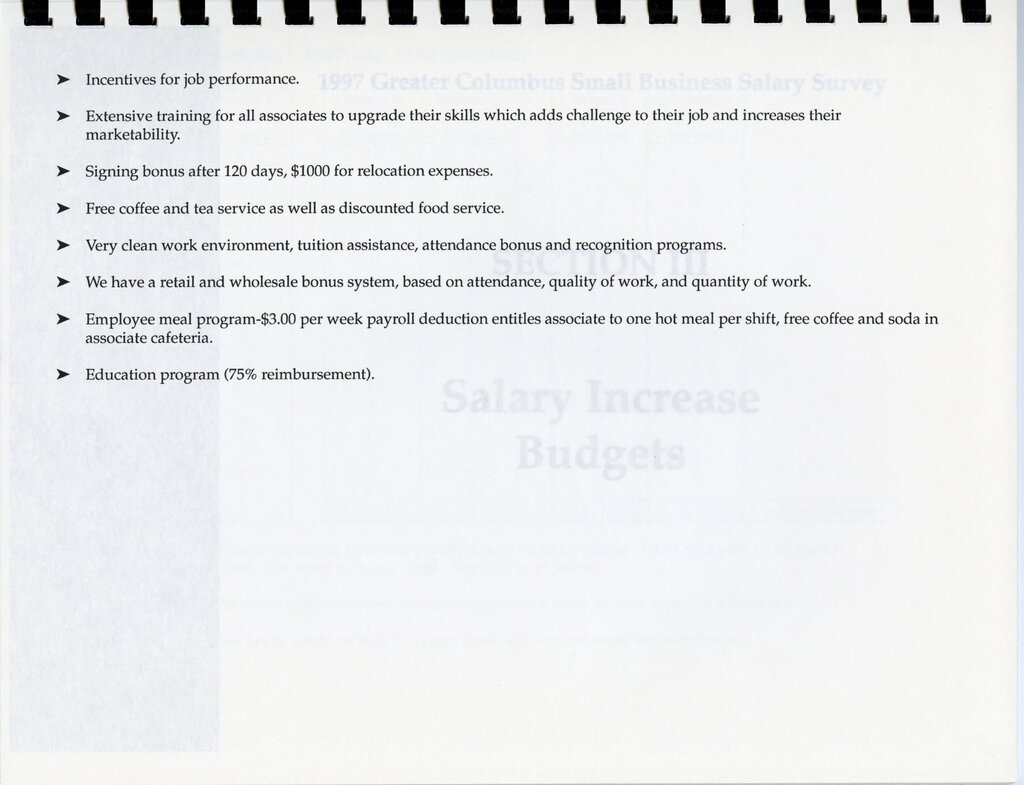
Finally, there are perks. These are the extras that make a workplace more enjoyable and can save you money. Perks can include things like a flexible work schedule, professional development funds, a free gym membership, or commuter benefits. While not direct cash, they add significant value to your overall experience.
How Salaries Are Set
Companies don't just pick salary numbers out of thin air. They use a structured approach to determine pay, balancing what they can afford with what the market demands. These decisions are influenced by a mix of internal and external factors.
The most significant external factor is the market rate. Companies research what other businesses in their industry and location are paying for similar roles. This is called benchmarking. They use salary surveys and data from recruiting firms to establish a competitive pay range for each position. This ensures they can attract and retain talent without overpaying.
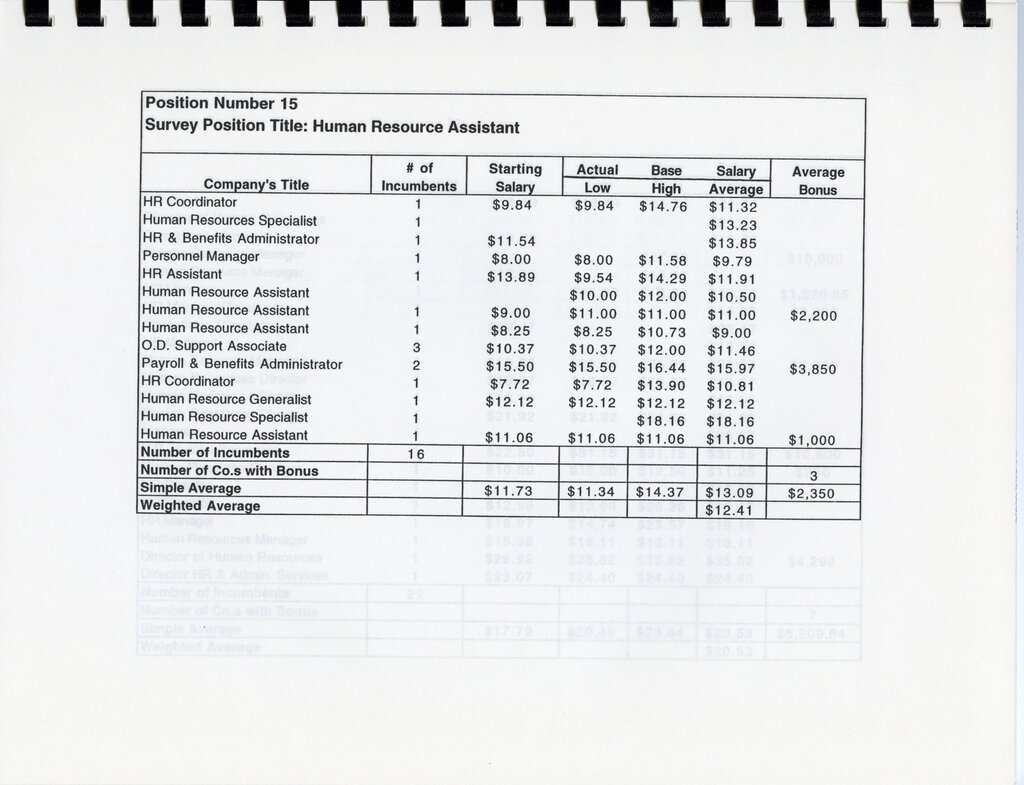
Internally, a company's budget, financial performance, and compensation philosophy play a major role. Most larger organizations have a formal structure with defined job levels or pay grades. Each level has a corresponding salary range. This helps ensure fairness and consistency in how employees are paid across the company.
Your individual skills, experience, and performance also directly impact where you fall within that range. Someone who consistently exceeds expectations or brings a rare, valuable skill to the table will typically earn more than a colleague at the same level who only meets expectations.
Now, let's check your understanding of these core concepts.
What is the term for the complete package of salary, benefits, bonuses, and other non-wage payments an employee receives?
Which of the following is considered a form of 'equity' compensation?
Understanding these different elements is the first step in seeing your job's full financial picture. It provides the context you need to evaluate your current pay and prepare for future conversations about your career and compensation.