Asarah b'Tevet Explained
Historical Context
A Shifting World
In the 7th century BCE, the ancient Near East was a chessboard of empires. For centuries, the mighty Assyrian Empire had dominated the region, its power stretching from modern-day Iraq to Egypt. But empires, like all things, eventually crumble. A new power was rising in the south: the Neo-Babylonian Empire.
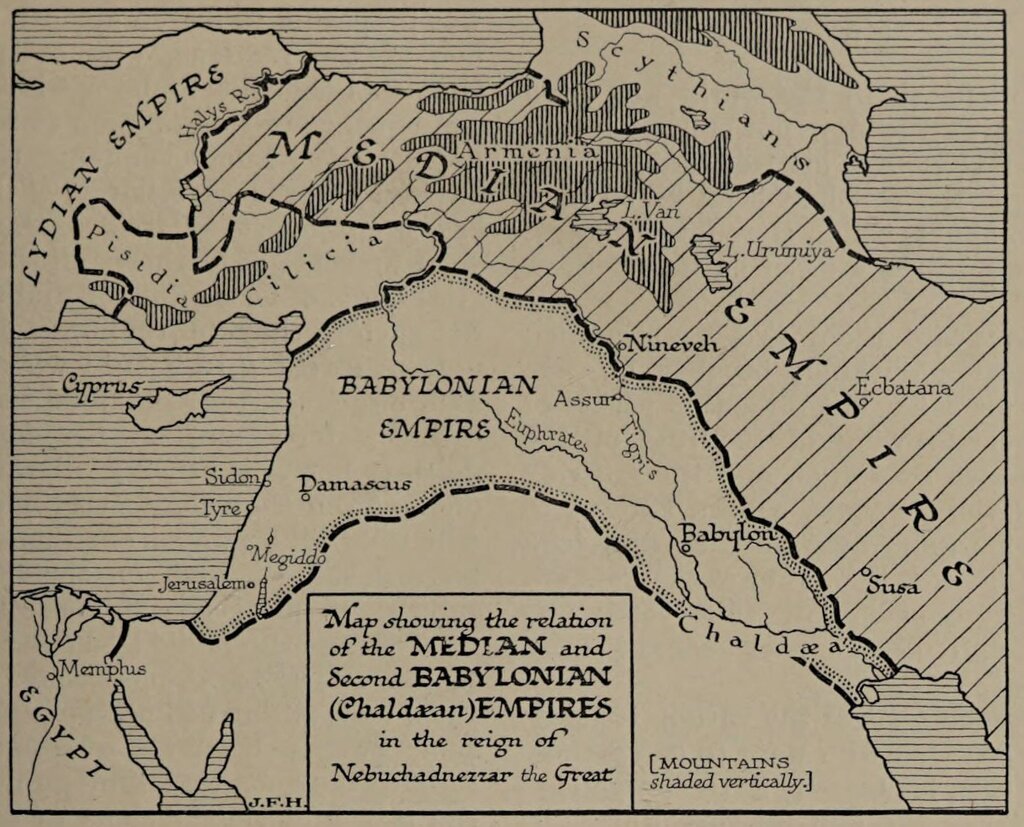
Led by ambitious kings, Babylon began to challenge Assyrian control. They chipped away at its territories, forged new alliances, and grew stronger with each victory. By the late 600s BCE, the Assyrian capital of Nineveh had fallen. The Babylonians, under their most famous king, Nebuchadnezzar II, were the new masters of the region.
A Kingdom Caught in the Middle
The small Kingdom of Judah, with its capital in Jerusalem, found itself in a precarious position. For years, it had been a vassal state to larger empires, paying tribute to avoid destruction. First, it was the Assyrians, then the Egyptians, and now the Babylonians were demanding loyalty.
Jerusalem's leaders were divided. Some argued for submission to Babylon, seeing it as the only path to survival. Others, encouraged by promises of support from Egypt, advocated for rebellion. King Jehoiakim of Judah initially pledged allegiance to Nebuchadnezzar but rebelled after a few years, placing his faith in Egyptian aid. It was a disastrous miscalculation.
Nebuchadnezzar responded swiftly. In 597 BCE, his army marched on Jerusalem. To avoid total destruction, the city surrendered. Nebuchadnezzar deposed the king, plundered the Temple's treasures, and exiled thousands of Judah's top citizens—military leaders, craftsmen, and the elite—to Babylonia. He then installed a puppet king, Zedekiah, to rule over what was left of the kingdom.
This initial deportation was a warning. It weakened Judah significantly, removing its leadership and skilled workers, but left the city and its Temple standing.
The Final Siege
Despite the harsh lesson, the desire for independence in Jerusalem did not die. About a decade later, King Zedekiah, also swayed by promises from Egypt, made the same fateful choice his predecessor had. He rebelled against Babylonian rule.
Nebuchadnezzar's patience had run out. In the tenth month of the Jewish calendar, Tevet, in the year 588 BCE, his armies returned and surrounded Jerusalem. The final siege had begun.
The siege was a slow, brutal process. The Babylonians built ramparts around the city, cutting off all food and supplies. Inside the walls, conditions grew desperate. Famine and disease became rampant. For over a year and a half, the city held out, but its fate was sealed.
| Date | Event |
|---|---|
| 10th of Tevet, 588 BCE | Nebuchadnezzar's army begins the siege of Jerusalem. |
| 9th of Tammuz, 586 BCE | The walls of Jerusalem are breached. King Zedekiah flees but is captured. |
| 9th of Av, 586 BCE | The First Temple is set ablaze and destroyed. |
| 10th of Av, 586 BCE | The destruction of the Temple and the city continues. |
Note: The traditional date for the siege is 425 BCE, but modern historical scholarship places these events in the early 6th century BCE as shown in the timeline.
Destruction and Exile
With the city's defenses broken, the Babylonian soldiers poured in. They showed no mercy. Jerusalem was systematically looted and burned to the ground. The ultimate act of destruction was the razing of the First Temple, the center of Jewish religious and national life, which had stood for nearly 400 years.
The destruction of the Temple was more than a military victory for Babylon; it was a profound spiritual catastrophe for the Jewish people. It was a symbol of their broken covenant with God and the loss of their national home.
Following the city's fall, a second, larger wave of the population was forced into exile. They were marched hundreds of miles to Babylonia, leaving behind a desolate, ruined homeland.
The Babylonian Exile taught the Hebrews enduring lessons about the importance of obedience to God's commands, the destructive consequences of idolatry, and the need for genuine repentance.
This exile was a turning point. Far from their land and without their Temple, the Jewish people had to find new ways to maintain their identity, their faith, and their community. The events of this period—the siege, the destruction, and the exile—are deeply embedded in Jewish memory and are commemorated to this day. The siege of Jerusalem that began on the tenth of Tevet was the beginning of the end for the first Jewish commonwealth.
Let's review what you've learned about the historical context of Jerusalem's fall.
Who was the king of the Neo-Babylonian Empire who conquered Jerusalem and destroyed the First Temple?
What was the immediate cause of Nebuchadnezzar's final siege of Jerusalem in 588 BCE?