Artistic Portraiture of an Elderly Iranian Woman
Understanding Portrait Photography
What Makes a Portrait?
A portrait is more than just a picture of a person. It’s an attempt to capture a piece of who they are—their personality, mood, and story. While a simple snapshot records a face, a good portrait reveals something about the person's inner world. The goal isn't just to document what someone looks like, but to offer a glimpse into their life and character.
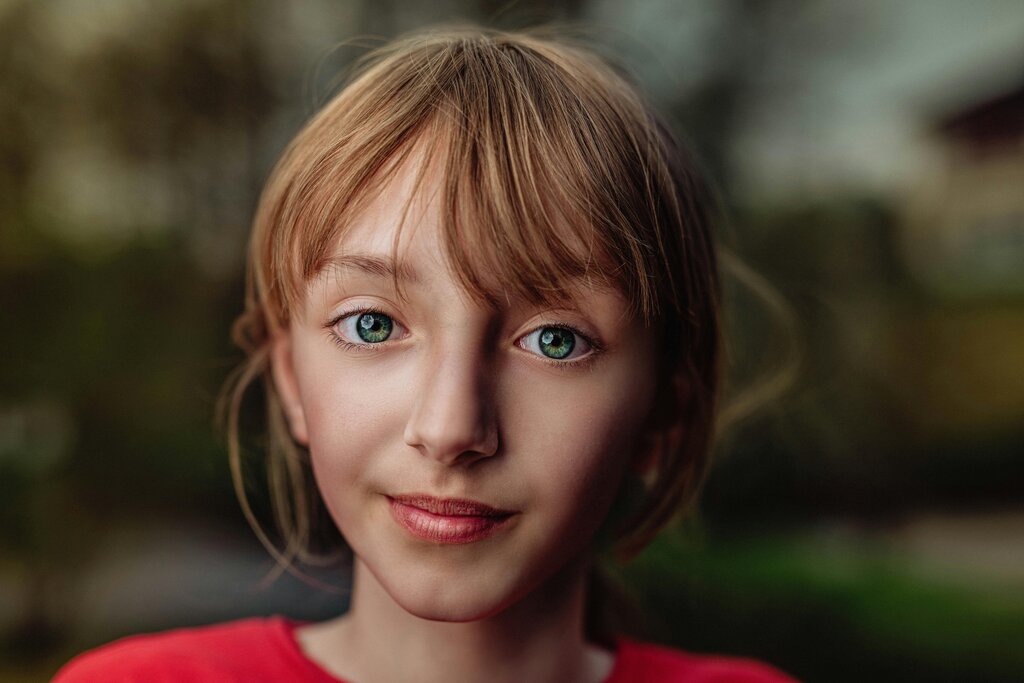
Think of it as a collaboration. The photographer directs the scene, but the subject brings their unique presence. Together, they create an image that feels authentic and tells a story, whether it's one of quiet confidence, joyful energy, or deep contemplation.
From Slow Paintings to Fast Clicks
Before photography, only the wealthy could afford portraits, which were painstakingly painted over many sittings. When photography arrived in the 19th century, it democratized portraiture, but it wasn't easy. Early processes required subjects to stay perfectly still for long periods, which is why old portraits often look stiff and formal.
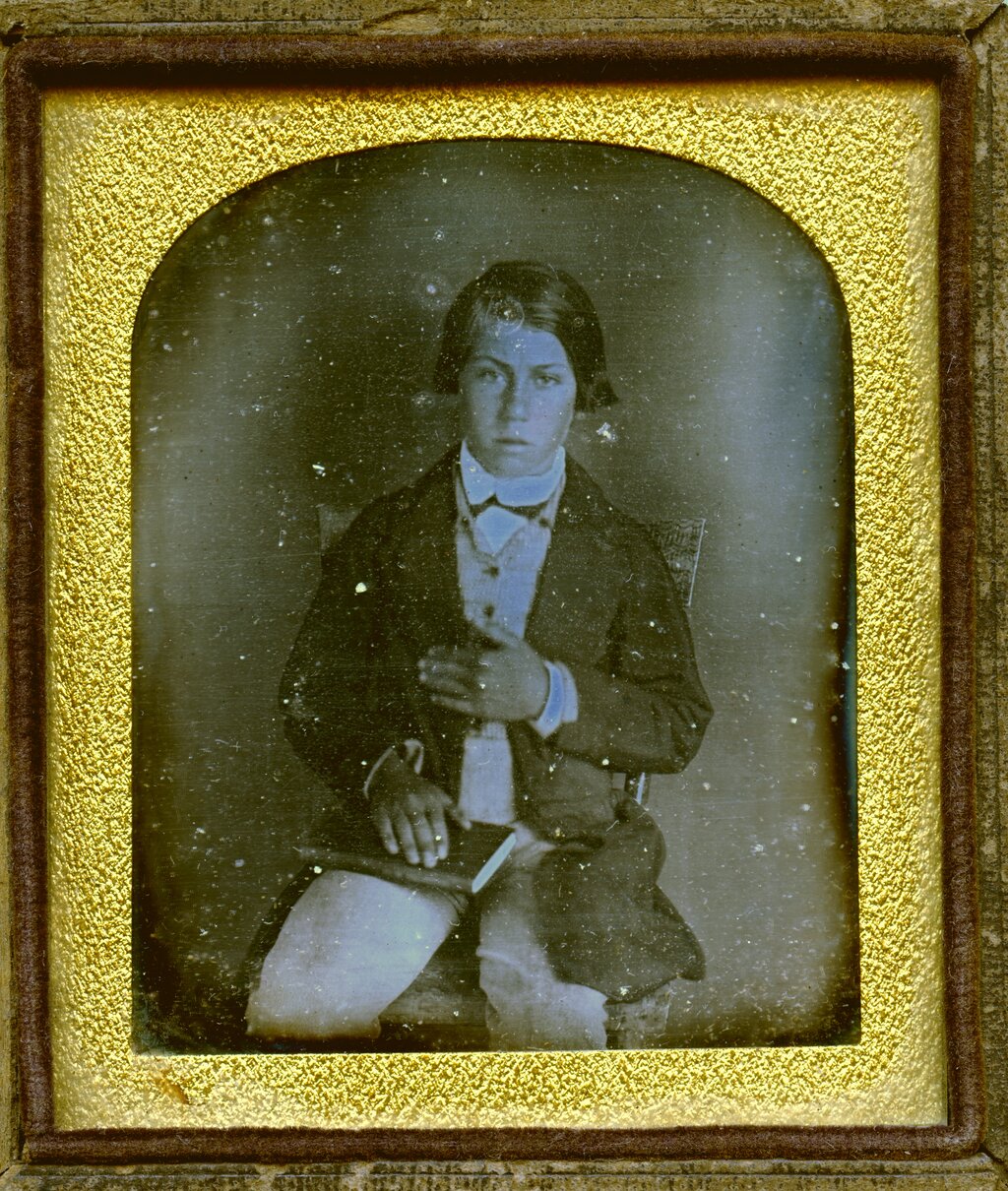
As technology improved, cameras became faster and more portable. Photographers could finally move out of the studio and capture people in their daily lives. This shift allowed for more natural, candid moments, transforming portraiture from a formal ordeal into a dynamic art form that could capture life as it happened.
The Core Elements
Every great portrait balances three key ingredients: lighting, composition, and the interaction between the photographer and the subject.
Lighting sets the mood. Composition guides the eye. Interaction brings the person to life.
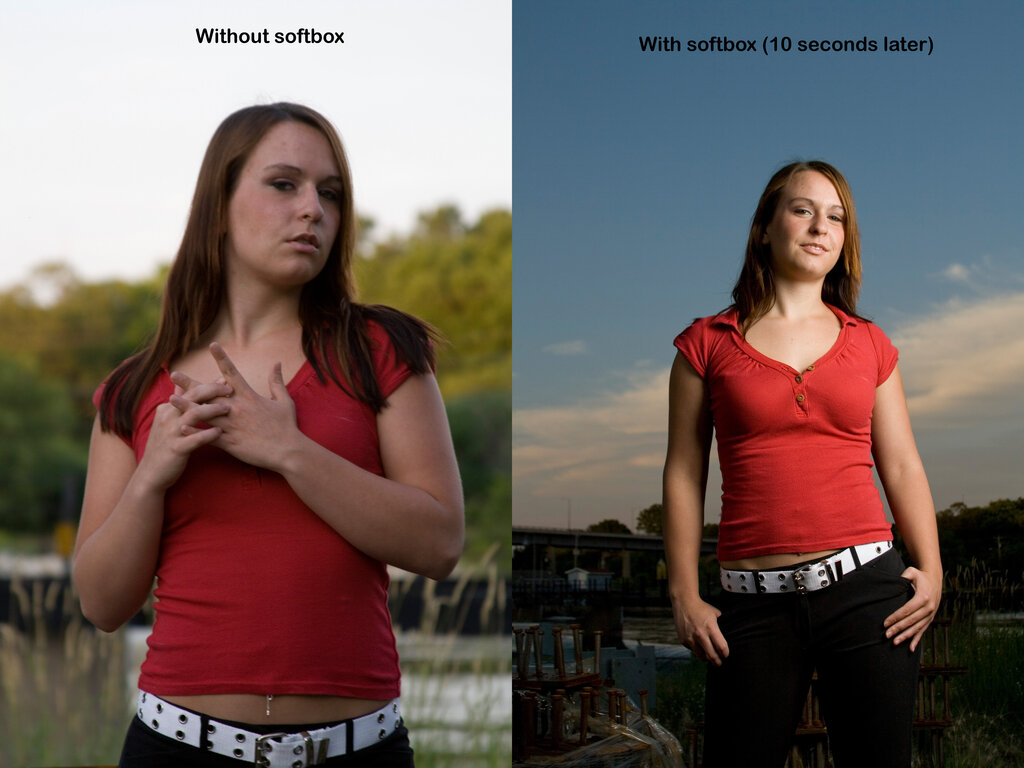
Lighting is the most powerful tool for shaping the feel of a portrait. Harsh, direct light creates strong shadows and a sense of drama. Soft, diffused light is more flattering and creates a gentle, calm mood. There's no right or wrong choice; it all depends on the story you want to tell.
Composition is how you arrange everything in your frame. One of the most common guidelines is the Rule of Thirds. Imagine your frame is divided into a 3x3 grid. Placing your subject or key features, like their eyes, along these lines or at their intersections often creates a more balanced and engaging image than centering them.
For a close-up portrait of a face, typically the eyes are the main attention. Therefore the eyes should be placed approximately where the thirds intersect.
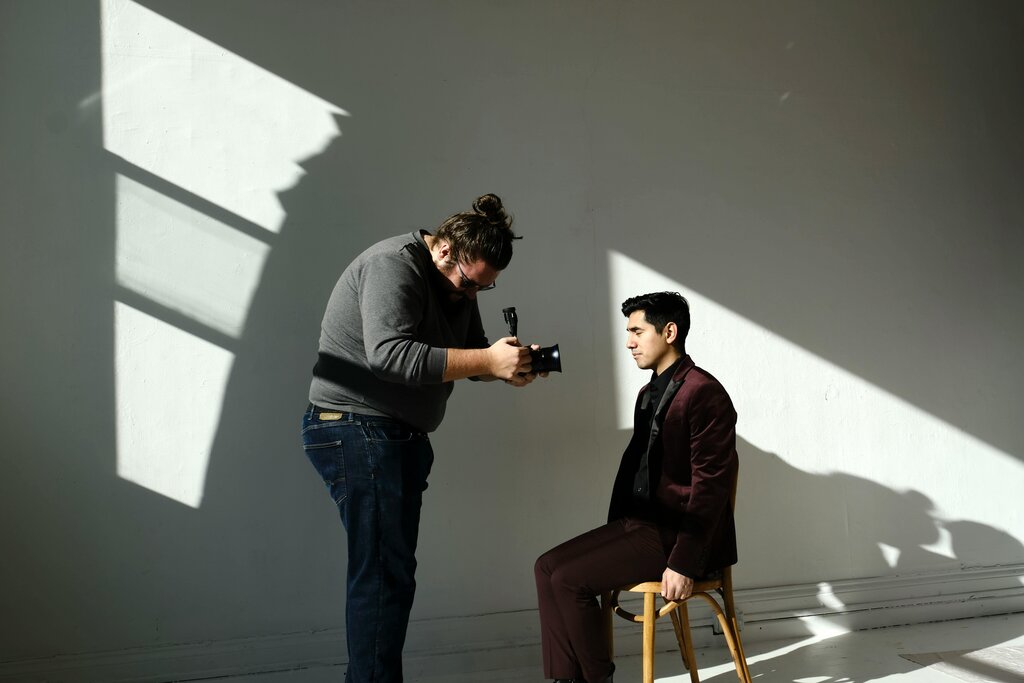
Finally, subject interaction is the human element. A technically perfect photo can feel empty if the subject looks uncomfortable or disconnected. The photographer's job is to create a relaxed atmosphere where the subject can be themselves. This might involve talking, giving gentle direction, or simply being patient and waiting for the right moment. The relationship built in those few moments can make all the difference.
Common Portrait Styles
Portraits come in many flavors, each suited for different purposes. Understanding the main styles can help you decide which approach to take.
| Style | Description | Best For |
|---|---|---|
| Studio | Shot in a controlled setting with professional lighting. | Formal portraits, headshots, fashion. |
| Environmental | Shows the subject in their own environment, like their home or workplace. | Telling a deeper story about the subject's life and work. |
| Candid | Unposed and spontaneous, capturing a genuine moment. | Events, family photos, street photography. |
| Lifestyle | A mix of candid and directed, aiming for an authentic but polished look. | Family portraits, branding, social media. |
Ethical Considerations
Taking someone's portrait is a responsibility. The foundation of ethical portrait photography is consent. Always ask for permission before taking someone's photo, and be clear about how you intend to use it. This builds trust and respect.
Beyond permission, strive to represent your subjects authentically and with dignity. Avoid stereotypes or creating an image that misrepresents who they are. The goal is to create a portrait that the subject would be proud of, one that reflects them in an honest and respectful light.
Ready to test your knowledge?
What is the primary goal of a portrait, as opposed to a simple snapshot?
Why do subjects in many 19th-century photographic portraits often look stiff and formal?
Portrait photography is a powerful way to connect with people and tell their stories. By mastering the interplay of light, composition, and human connection, you can create images that are not only beautiful but also meaningful.