Artistic Light and Shadow Mastery
Understanding Light
The Language of Light
Light is the single most important element in visual art. It’s what allows us to see the world, and for artists, it’s the tool used to create shape, depth, and mood. Before you can paint a convincing shadow or draw a reflective surface, you need to understand how light works. It follows predictable rules, and learning them will fundamentally change how you create.
The key principles include establishing a consistent light source, using gradual value transitions to show curved surfaces, and employing highlights and shadows strategically to enhance form.
Think of light as having three core properties you can control in your art: its intensity, its color, and its direction.
Properties and Sources
First, intensity is simply the brightness of the light. A bright, direct light source, like the midday sun, creates high contrast with dark, sharp-edged shadows. A dim light source, like a single candle in a dark room, creates soft, muted light with less contrast. The intensity sets the overall mood of a scene, from cheerful and energetic to quiet and mysterious.
Next is color. We often think of light as white, but it's actually made up of a spectrum of colors. The color of the light source affects the color of everything it illuminates. Sunlight at noon is cool and blueish, while the light during a sunset is warm, casting orange and red hues. This is often called the light's temperature.
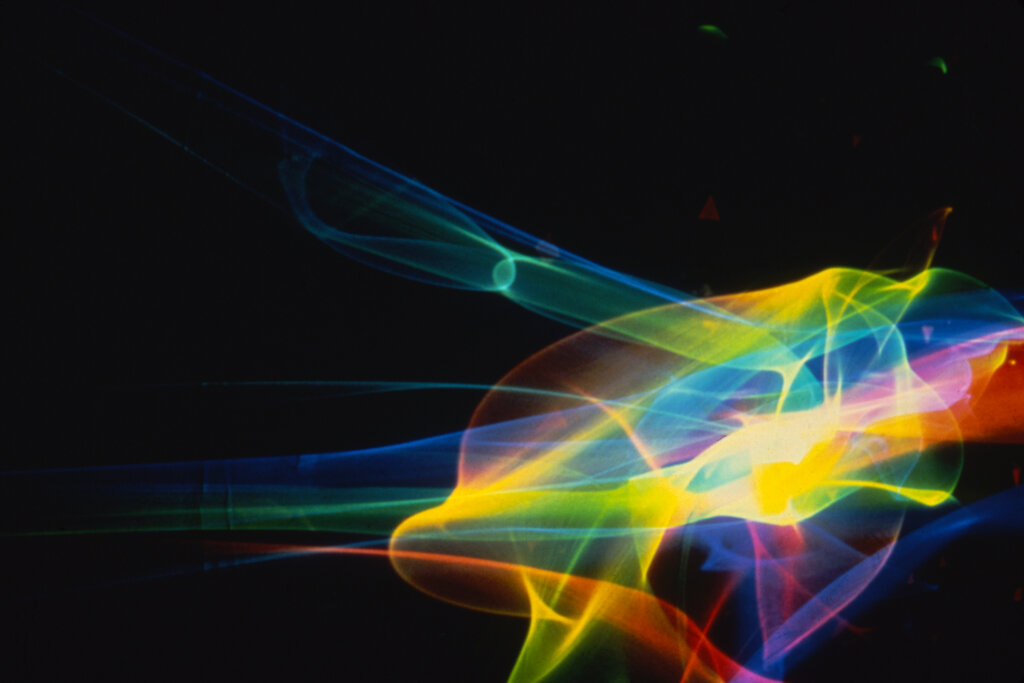
Finally, direction refers to where the light is coming from. This is arguably the most important property for defining an object's form. Light coming from the side will highlight the texture of a surface, while light from above can make an object seem flat. The direction of the light source determines where highlights appear and where shadows fall, carving out the three-dimensional shape of your subject.
Light sources themselves fall into two categories: natural and artificial. Natural light comes from the sun (or moon), while artificial light comes from man-made sources like light bulbs, fires, or screens. They have different qualities that impact a scene.
| Feature | Natural Light | Artificial Light |
|---|---|---|
| Source | Sun, moon | Bulbs, fire, screens |
| Color | Varies by time of day | Often consistent (warm or cool) |
| Quality | Often diffused by atmosphere | Can be harsh and direct |
| Consistency | Changes constantly | Stable and controllable |
How Light Behaves
When a light ray hits an object, it can do one of three things: reflect, get absorbed, or pass through. Most of the time, it's a combination of all three.
Reflection
noun
The bouncing of light off a surface. This is how we see most non-luminous objects.
Reflection is light bouncing off a surface. If the surface is smooth and shiny like a mirror, it creates a specular reflection—a clear, sharp image. If the surface is rough or matte, like concrete, it creates a diffuse reflection, scattering the light in all directions. This is why you can't see your reflection in a brick wall.
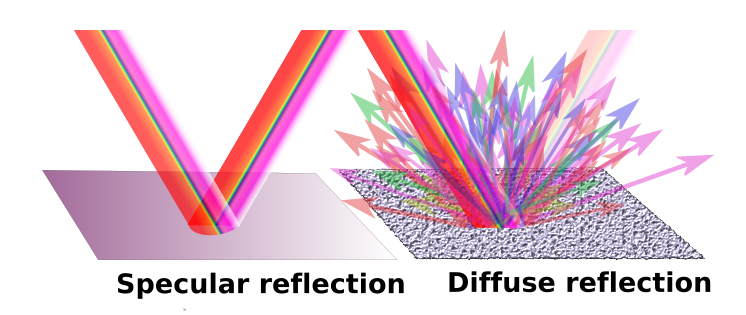
Absorption happens when a surface
Absorption happens when a surface traps light instead of reflecting it. The color of an object is determined by which colors of light it absorbs and which it reflects. A red apple looks red because its surface absorbs all colors of the spectrum except red, which it reflects back to our eyes. A perfectly black object absorbs all light, while a perfectly white one reflects all light.
Refraction is the bending of light as it passes from one medium to another, like from air to water. This is why a straw in a glass of water looks bent at the surface. While less common in everyday still life, understanding refraction is crucial for painting transparent objects like glass or water.
These principles aren't just abstract science. They are the building blocks artists use to make a flat canvas look like a breathing, three-dimensional world. By observing how light behaves, you can learn to replicate it.
Ready to test your knowledge? Let's see what you've learned about the fundamentals of light.
A bright, direct light source, like the midday sun, will typically create what kind of shadows?
What term is often used to describe the color of a light source, such as the cool, blueish light of noon or the warm, orange light of a sunset?
Mastering these concepts takes practice. The next time you're outside or in a well-lit room, take a moment to observe. Notice the color of the light, the sharpness of the shadows, and how different surfaces reflect the world around them. The more you look, the more you'll see.