Artisanal Sourdough Mastery
Starter Microbiology
The Microbial Dance in Your Starter
A sourdough starter isn’t just flour and water. It’s a bustling ecosystem, home to a partnership between wild yeasts and lactic acid bacteria. You already know that yeast produces carbon dioxide to leaven bread. But in a sourdough starter, it's not working alone. It’s locked in a symbiotic dance with bacteria.
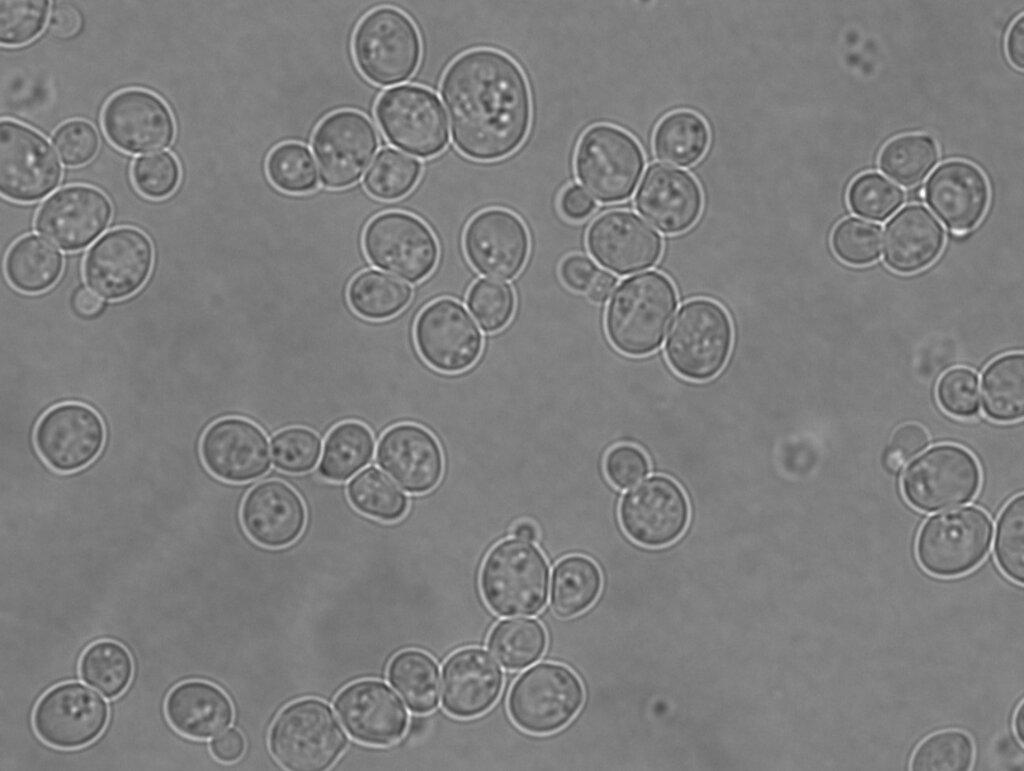
The two main players are yeasts (like Saccharomyces cerevisiae and Candida milleri) and lactic acid bacteria (LAB). The yeast focuses on breaking down complex carbohydrates into simple sugars and then fermenting those sugars into alcohol and carbon dioxide gas. This CO2 is what gives your bread its rise.
Meanwhile, the LAB, primarily species of Lactobacillus, consume sugars the yeast can't, or won't, use. They produce lactic and acetic acids as byproducts. These acids are not just for flavour; they lower the pH of the dough, creating an environment that inhibits the growth of unwanted mould and pathogens. This protective acidity also helps strengthen gluten up to a point, but too much can have the opposite effect.
Sourdough fermentation is driven by a stable, co-evolved microbial consortium of wild yeasts and lactic acid bacteria (LAB), which colonize the starter medium and establish a homeostatic balance through competitive and cooperative interactions.
Feeding Your Microbial Workforce
How you feed your starter directly manipulates this microbial balance. The feeding ratio, usually expressed as starter:flour:water by weight, determines the food supply and population density.
A common ratio is 1:1:1. This provides a modest meal, leading to rapid fermentation and a peak in activity within 4-6 hours. It’s great for quick turnarounds but can lead to a rapid build-up of acid if left unattended.
A larger feed, like 1:5:5, dilutes the existing microbial population and acid load significantly. It provides a huge feast that takes longer to consume, typically 8-12 hours. This method is excellent for reducing sourness and giving the yeast a competitive edge, as they thrive in the less-acidic initial environment. This often leads to a stronger leavening power.
| Ratio (Starter:Flour:Water) | Fermentation Speed | Peak Time | Acid Level | Best For |
|---|---|---|---|---|
| 1:1:1 | Fast | 4-6 hours | Higher | Maintaining a daily starter, promoting sour flavour. |
| 1:2:2 | Medium | 6-8 hours | Moderate | A good balance for twice-daily feeding or cooler temps. |
| 1:5:5 | Slow | 8-12 hours | Lower | Reducing acidity, building leavening power, overnight feeds. |
The type of flour you use is also critical. Whole grain flours like rye are rich in minerals and enzymes that act like a superfood for your starter. They provide a wider range of nutrients, encouraging robust activity from both yeast and bacteria. White bread flour, with its higher simple carbohydrate content, tends to favour yeast activity and results in a milder-flavoured starter.
Managing Acidity and Temperature
The acids produced by LAB are what give sourdough its signature tang, but they need to be managed. The total amount of acid in your starter is known as the 'acid load'. If the acid load becomes too high, the low pH begins to degrade gluten structure. The protease enzymes in the flour also become more active in highly acidic environments, further breaking down the protein network essential for trapping gas. This results in a sticky, soupy starter and a dense, flat loaf.
Regularly refreshing your starter, especially with larger feeding ratios, is the primary way to manage acid load and keep your gluten intact.
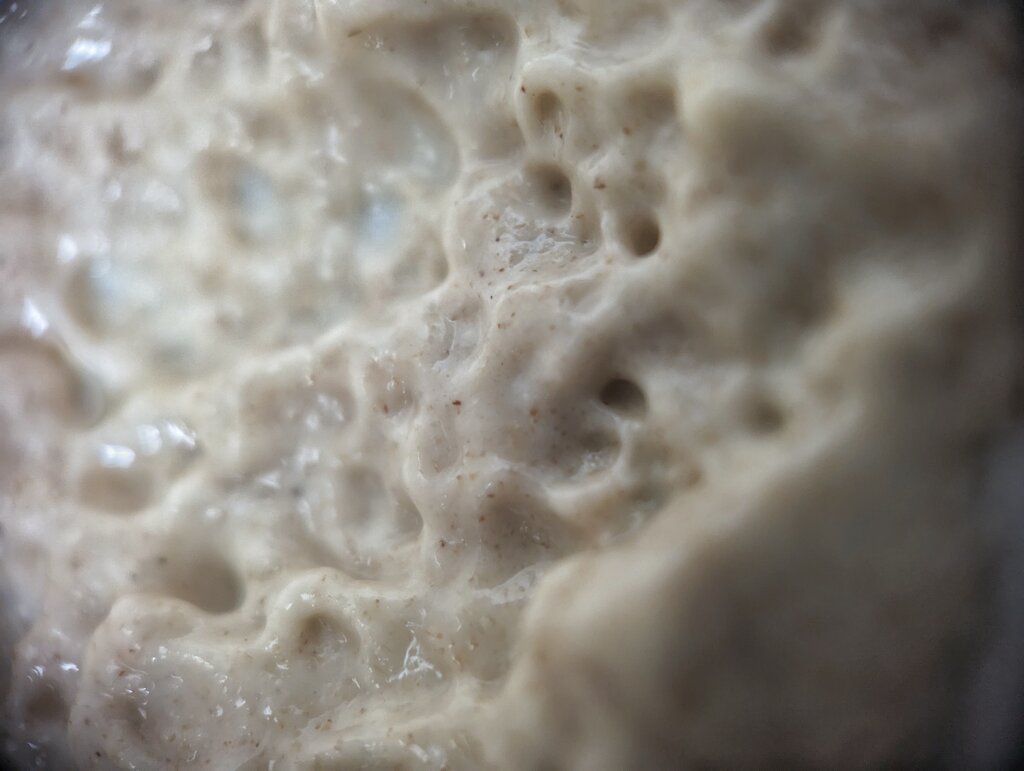
Temperature is your other key control lever. It allows you to influence which type of acid your LAB produces.
- Warmer temperatures (24-28°C): This is the sweet spot for homofermentative LAB, which primarily produce mild, yogurt-like lactic acid and reproduce quickly.
- Cooler temperatures (18-22°C): This environment favours heterofermentative LAB. These bacteria produce both lactic acid and the more pungent, vinegar-like acetic acid. They work more slowly.
By manipulating the temperature during fermentation, you can steer the flavour profile of your final bread. A warmer bulk ferment will yield a milder loaf, while a long, cool ferment in the fridge will develop a more complex and tangy flavour.
Warmer ferment = Milder, lactic flavour. Cooler ferment = Tangier, acetic flavour.
Time to check your understanding of the microbial world in your starter.
What are the two main types of microorganisms that form the symbiotic culture in a sourdough starter?
True or False: The primary role of yeast in a sourdough starter is to produce acids that create the classic 'sour' flavour.
By understanding this interplay of microbes, feeding strategies, and temperature, you move from simply following a recipe to actively directing the outcome of your bread. You are no longer just a baker; you are a microbe farmer.