Artisanal Rice Ice Cream and Scoop Shop Management
Rice Infusion Science
The Art of Rice Infusion
Moving beyond standard dairy bases requires a deep understanding of how non-traditional ingredients interact with your mix. When infusing rice, you're not just adding flavor; you're introducing starches that fundamentally alter the ice cream's structure. The key lies in the two types of starch present in rice: amylose and amylopectin.
Amylose is a straight-chain molecule that forms strong gels, which can lead to a pasty or gummy texture in your final product. In contrast, is a highly branched molecule. It provides viscosity and creaminess without the same risk of creating a heavy, starchy mouthfeel. Short-grain rice, like Arborio or glutinous rice, is high in amylopectin, making it ideal for creating a rich, creamy texture. Long-grain rice, such as Basmati, has a higher amylose content, which requires more careful handling to avoid undesirable textures.
When you introduce rice starch, it binds free water in the mix. This is beneficial up to a point, as it inhibits ice crystal growth. However, it also means you'll need to adjust your stabilizer ratio downwards to compensate. Over-stabilizing a mix that already has starch will result in a heavy, gummy product that melts poorly and coats the palate unpleasantly.
Three Methods of Infusion
Capturing the essence of rice in your ice cream base can be achieved through several techniques, each offering a unique flavor profile and impact on texture.
Toasting: For a nutty, complex flavor, toast your rice grains in a dry pan or with a small amount of butter until fragrant and lightly browned. This triggers the [{
}], creating deep, roasted notes. Once toasted, you can either steep the whole grains in your hot base and strain them out, or grind them into a powder to be fully incorporated. Grinding provides a stronger flavor but contributes more solids to the mix, requiring careful balancing.
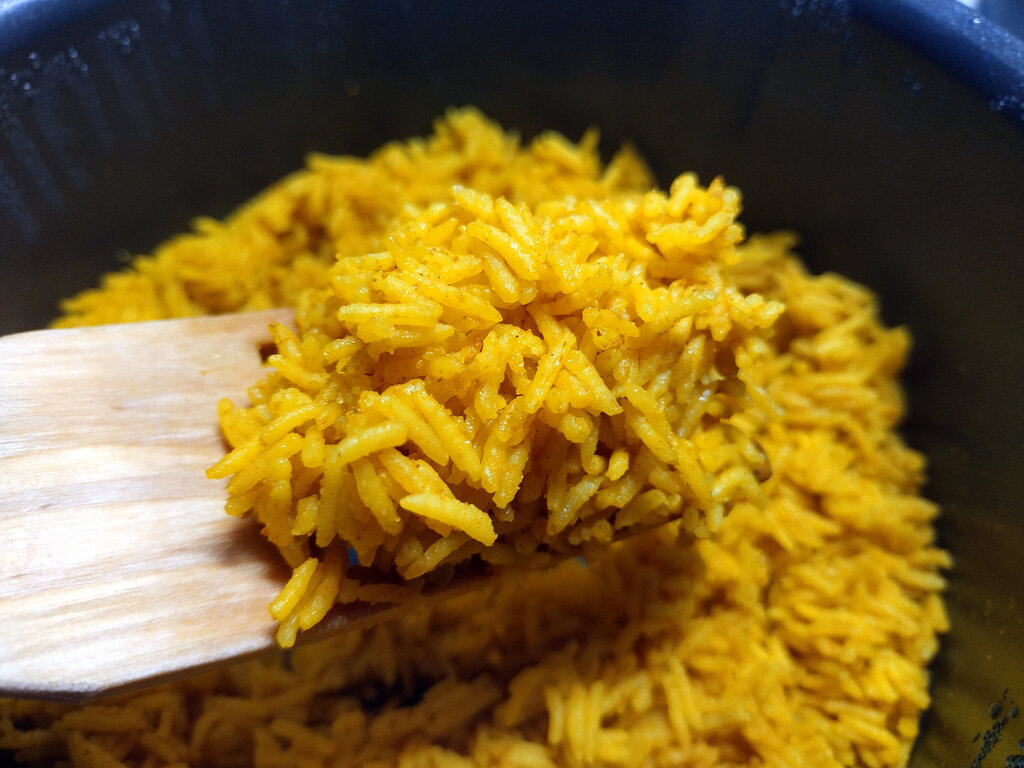
Steeping: To capture the delicate, floral notes of aromatic varieties like Jasmine or Basmati, steeping is the ideal method. This can be done hot or cold. A hot infusion (heating the rice with the dairy and holding it at temperature) is faster and extracts more starch, affecting the texture more significantly. Cold-steeping involves soaking the rice in the cold dairy base for 12-24 hours. This method yields a cleaner, more subtle aromatic profile with less starch transfer, giving you more control over the final texture.
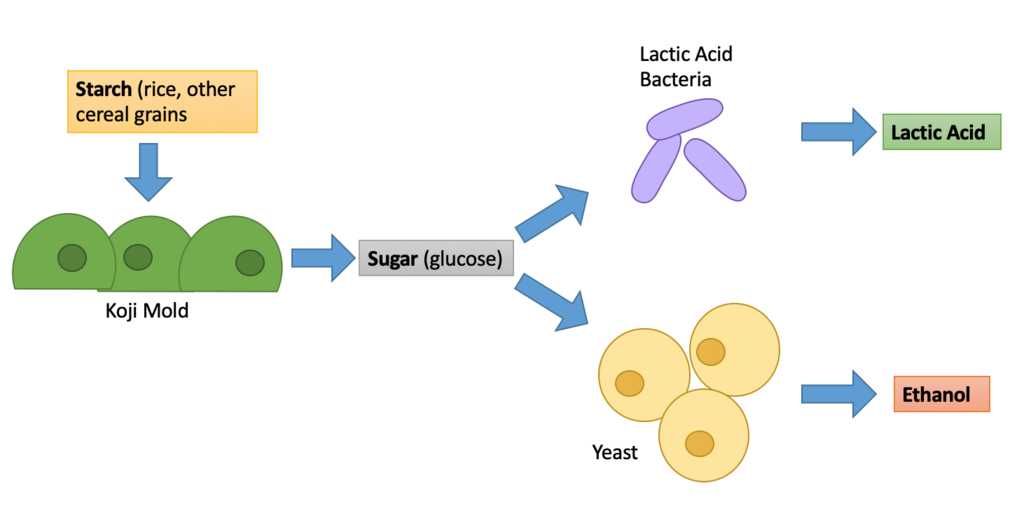
Fermentation: For a truly unique and complex flavor with notes of sake and a subtle sweetness, consider using . Koji is rice that has been inoculated with the mold Aspergillus oryzae. The enzymes produced by the mold break down the rice starches into simple sugars (saccharification). You can create a sweet, non-alcoholic liquid called amazake by incubating cooked rice and koji. This amazake can then be added directly to your ice cream base, contributing a unique fermented flavor and natural sweetness.
| Method | Flavor Profile | Starch Impact | Best For |
|---|---|---|---|
| Toasting | Nutty, roasted, complex | Medium to High | Bold, dessert-forward flavors |
| Steeping | Delicate, floral, aromatic | Low to Medium | Subtle, clean rice notes |
| Fermentation | Sweet, tangy, umami | Low (pre-converted) | Unique, artisanal profiles |
Balancing Your Mix
Adding rice, whether as whole grains, a powder, or an infused liquid, will alter your base's composition. It's crucial to account for these changes to maintain the target 14-16% milkfat and proper MSNF (Milk Solids Non-Fat) for a premium product.
First, calculate the solids contributed by the rice. A typical long-grain white rice is about 80% starch (solids) and 12-14% water. When you make rice milk or steep rice, you are transferring some of these solids into your base. You need to treat these rice solids as part of your total solids, which means you may need to reduce other solids, like non-fat dry milk or even sugar, to prevent the mix from becoming too heavy or cloying.
For every 100g of rice powder added, you're adding approximately 80g of solids. This will significantly increase the total solids percentage and the mix's freezing point depression. You must adjust your MSNF and sugar content accordingly.
Let's say your target mix has 11% MSNF. If you replace part of your liquid milk with a house-made rice milk that has 10% rice solids, you are effectively lowering the MSNF of the total mix. You must calculate the dilution and add back non-fat milk solids to hit your target. The formula helps track the contribution of each component.
Mastering rice infusion is a balance of art and science. By controlling the starch, choosing the right infusion method, and carefully rebalancing your mix, you can create sophisticated flavors that set your product apart.
Ready to test your knowledge?
Which starch molecule, abundant in short-grain rice, is ideal for creating a creamy ice cream texture without making it gummy?
You want to create an ice cream with a clean, subtle, and floral rice flavor with minimal impact on the base's texture. Which infusion method should you choose?