Artisanal Paving in Humid Cities
Introduction to Paving Stones
The Foundation of a City
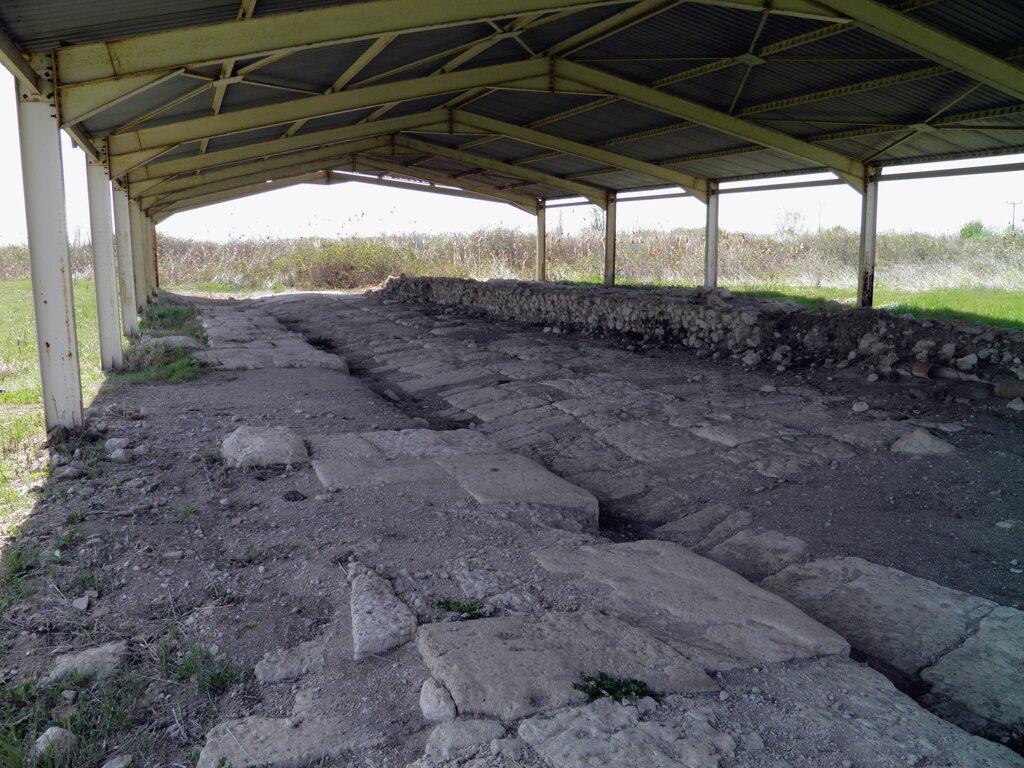
Paving stones, often called pavers, are the building blocks of our streets, sidewalks, and public squares. They are individual units made from concrete, clay, or natural stone, fitted together to create a durable, solid surface. Their main job is to provide a stable and safe path for people and vehicles, replacing dirt or mud with a reliable foundation.
In a city like Bukavu, with its hills and heavy rainfall, paved surfaces are essential. They do more than just cover the ground. They help manage stormwater, reduce erosion, and create clean, accessible spaces for commerce and community life. A well-paved road transforms a muddy track into a functional artery for the city.
Common Types of Pavers
While there are many kinds of paving stones, most fall into three main categories:
Concrete Pavers: These are manufactured from cement and aggregate. They are popular because they are strong, affordable, and come in a huge variety of shapes, sizes, and colors. Many are designed to interlock, which adds strength to the overall surface.
Clay Bricks: Made from natural clay fired in a kiln, these pavers offer a classic, warm look. They are very durable and hold their color well over time, even under heavy sun and rain.
Natural Stone: Cut directly from quarries, these pavers include materials like granite, slate, and limestone. They are prized for their unique beauty and exceptional durability, but they are often the most expensive option.
Surviving the Rain and Humidity
Choosing the right paving material is critical in a humid, rainy climate. The constant presence of moisture poses several challenges that can quickly degrade a poorly built surface.
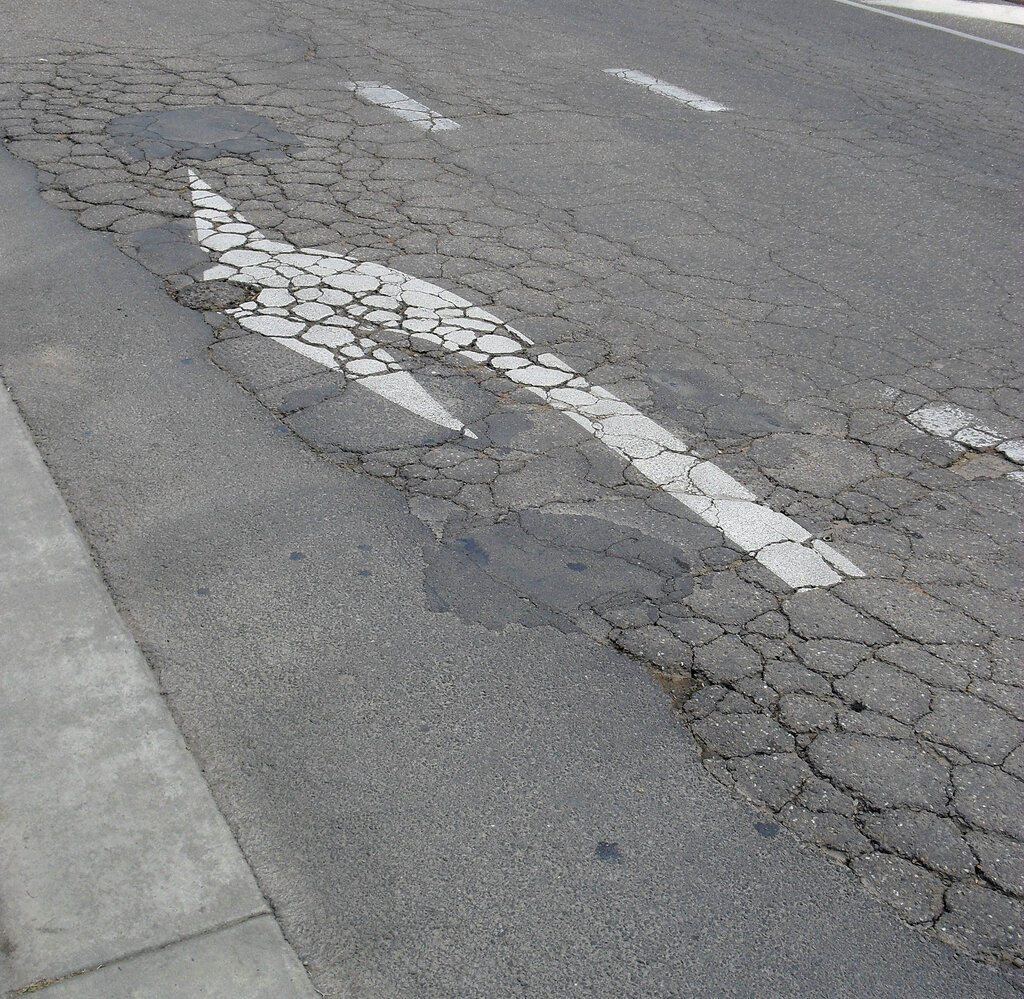
One major issue is water absorption. Porous materials can soak up rainwater, which can weaken the paver from the inside. This can lead to cracks and surface flaking, a process called spalling. The moisture also creates a perfect environment for moss, algae, and mold to grow. This not only makes the surface slippery and dangerous but can also slowly break down the material.
Furthermore, heavy downpours can wash away the sand or soil base beneath the pavers. Without this crucial support layer, the stones can sink or shift, creating an uneven and unstable surface. A durable paving system isn't just about the stones themselves; it's about how the entire structure stands up to the constant pressure of water.
What is the primary function of paving stones?
In a humid, rainy climate, what is the most likely consequence of heavy downpours on a paving system?
Understanding these basics is the first step in building infrastructure that lasts.