Artisanal Coffee Crafting
Bean Selection
Choosing Your Bean
Great coffee starts with the right bean. But with thousands of options, where do you begin? It helps to know that nearly all the world's coffee comes from two main species: Arabica and Robusta.
Think of Arabica as the sensitive artist. It's picky, thriving only at high altitudes in mild climates. This fussiness pays off in flavor. Arabica beans produce a coffee that is aromatic, sweet, and complex, with bright acidity and notes that can range from fruity to floral. It's the bean of choice for the specialty coffee world.
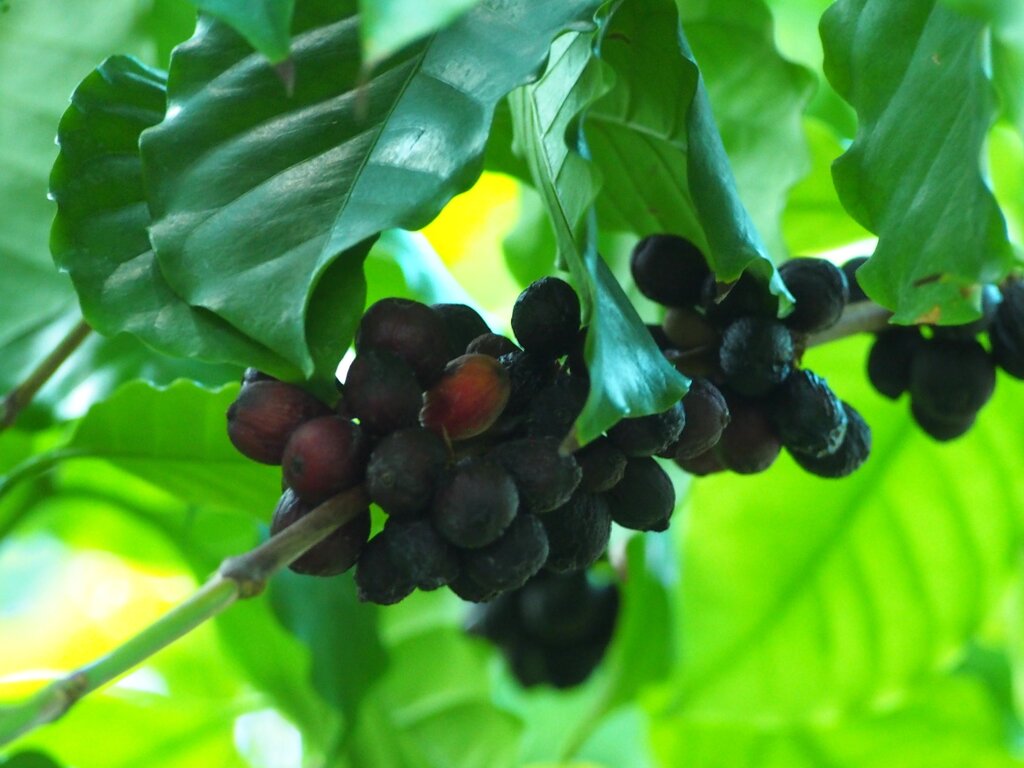
Robusta, as its name suggests, is the hardy workhorse. It can grow in hotter climates and is more resistant to disease. This makes it cheaper and easier to produce. Robusta beans pack a punch, with about twice the caffeine of Arabica. The flavor is strong, bold, and often described as rubbery or chocolatey, with a much less acidic profile. It's often used in espresso blends to produce a thick, stable crema and in instant coffee.
| Feature | Arabica (Coffea arabica) | Robusta (Coffea canephora) |
|---|---|---|
| Flavor | Complex, aromatic, sweet, high acidity | Bold, strong, low acidity |
| Caffeine | ~1.5% by weight | ~2.5% or more by weight |
| Cost | Higher | Lower |
| Bean Shape | Oval | Round |
| Ideal Use | Specialty drip, pour-over | Espresso blends, instant coffee |
A Sense of Place
Where a coffee is grown has a profound impact on its taste. Just like with wine, the concept of terroir applies to coffee. This French term refers to the unique environment—including the soil, altitude, and climate—that gives a coffee its distinct regional character.
The soil, climate, and altitude all leave their unique signature on the final cup.
Coffee from different parts of the world's “Bean Belt,” the equatorial band where coffee grows, has its own signature flavor profile.
-
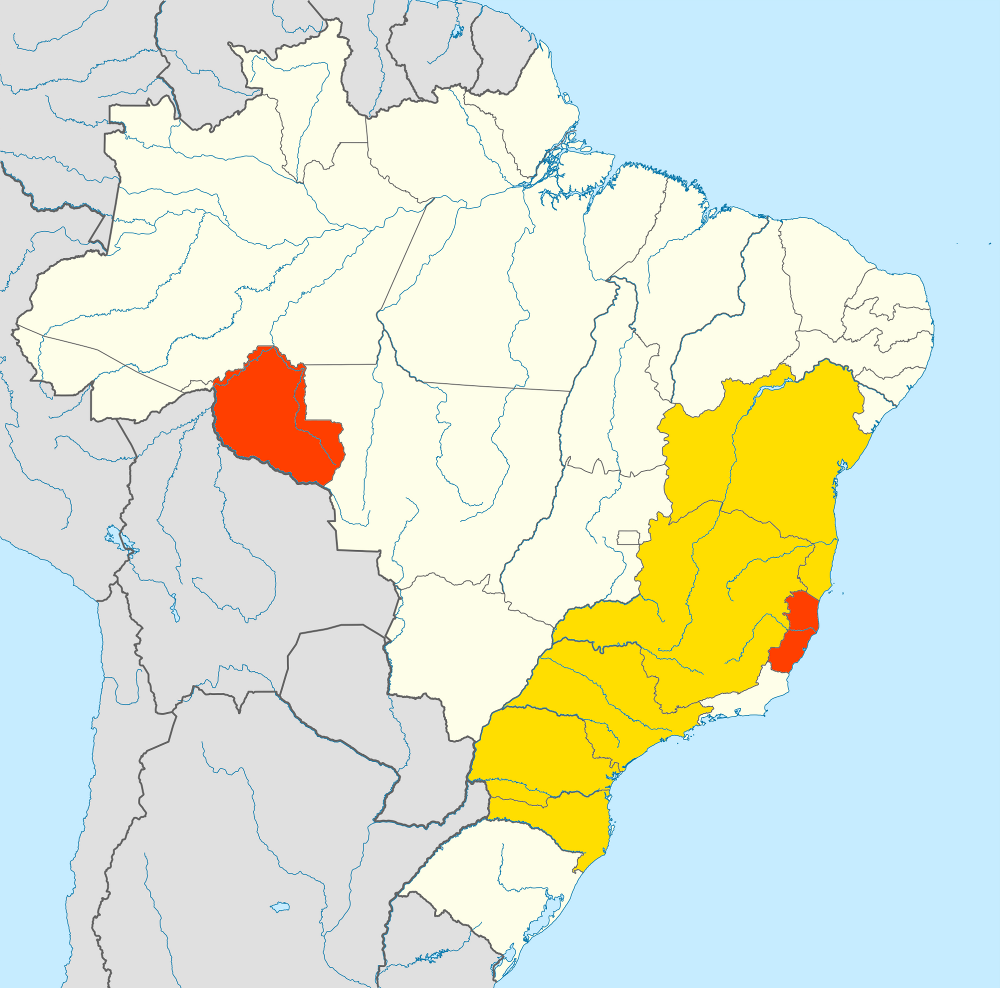
Latin America: Coffees from countries like Colombia, Guatemala, and Brazil are often what people think of as a classic coffee taste. They tend to be well-balanced, clean, and bright, with notes of chocolate, nuts, and caramel.
-
Africa: This continent, the birthplace of coffee, is known for producing some of the most vibrant and unique flavors. Ethiopian coffees are famously fruity and floral, while Kenyan beans are prized for their wine-like acidity and berry notes.
-
Asia: Coffees from Indonesia, Vietnam, and Papua New Guinea are typically bold and earthy. They often have a full body, low acidity, and deep flavors that can be spicy, woody, or even smoky.
How Beans Are Processed
After the coffee cherries are picked, the beans inside must be removed and dried. The method used for this processing step dramatically alters the coffee's final flavor profile. There are three main techniques you'll encounter.
Processing
noun
The method of removing the fruit of the coffee cherry from the seed (the bean) and drying it before it is roasted.
Washed (Wet) Process
In this method, the fruit pulp is completely washed off the bean before it is dried. This process tends to produce a very clean, bright, and consistent cup. It highlights the coffee's inherent acidity and origin characteristics, allowing the pure flavor of the bean itself to shine through.
Natural (Dry) Process
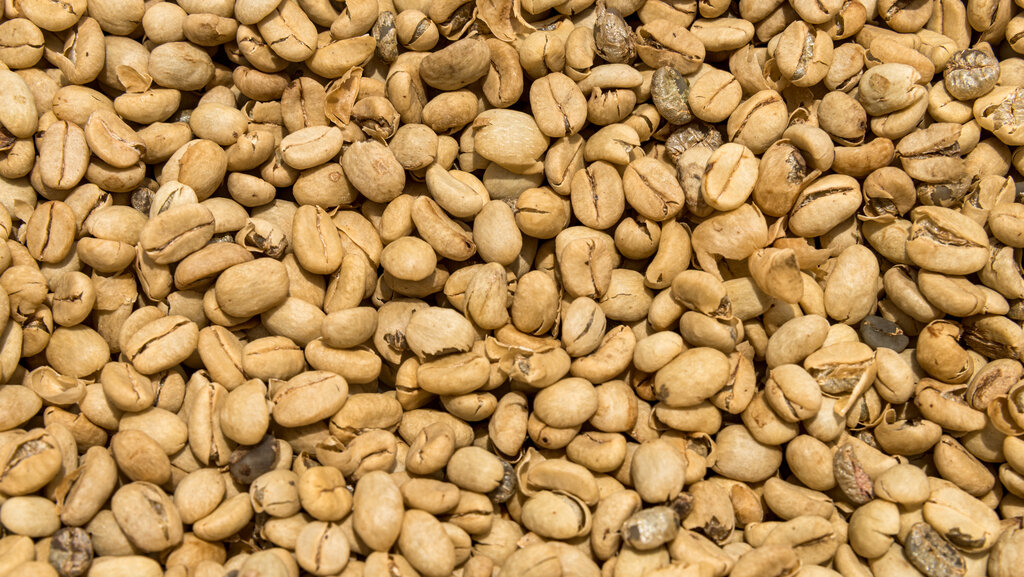
The oldest method, the natural process involves drying the entire coffee cherry with the bean still inside. The bean absorbs sugars and flavors from the drying fruit, resulting in a coffee that is heavy-bodied, sweet, and intensely fruity, often with notes of blueberry, strawberry, or tropical fruit. This method can be inconsistent if not done carefully, but at its best, it produces exceptional and complex coffees.
Honey (Pulped Natural) Process
This method is a hybrid of the washed and natural techniques. The skin of the cherry is removed, but some of the sticky fruit pulp, or mucilage, is left on the bean as it dries. This process gets its name from that sticky, honey-like layer. Honey processing creates a cup that balances the clarity of a washed coffee with the sweet fruitiness of a natural, often with a pleasant, syrupy body.
Which of the following best describes the flavor profile of coffee from Latin American countries like Colombia and Brazil?
If a coffee is described as having a very clean taste, bright acidity, and a consistent flavor that highlights its origin, which processing method was most likely used?
Understanding these core elements—species, origin, and processing—is the first step to choosing beans that will produce a coffee you truly love.