Artisan Bread Baking Fundamentals
Ingredients and Their Roles
The Building Blocks of Bread
At its heart, bread is incredibly simple. It's a craft built on four basic ingredients: flour, water, yeast, and salt. Understanding what each one does is the first step to baking a great loaf. Think of them as a team where each player has a specific, vital role. When they work together correctly, the result is delicious.
Flour, water, yeast, salt, and just a touch of sugar: these are the simple ingredients in The Easiest Loaf You'll Ever Bake.
Flour: The Foundation
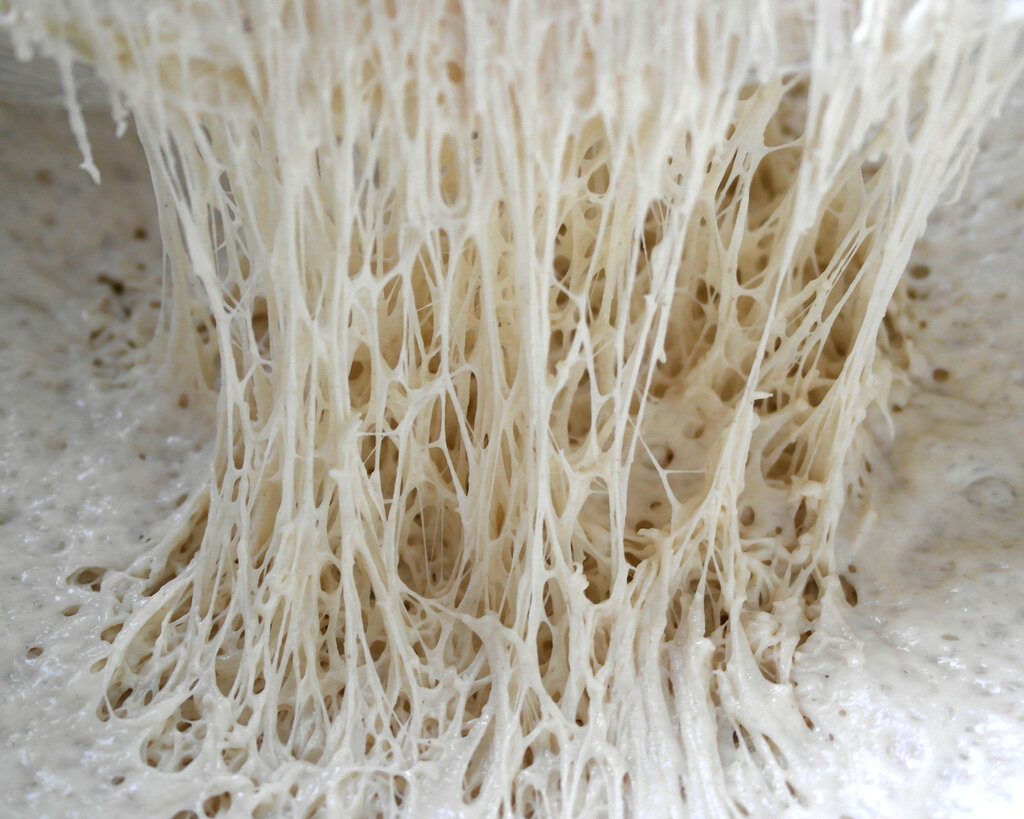
Flour provides the structure for your bread. When mixed with water, two proteins in wheat flour, glutenin and gliadin, combine to form gluten. Gluten is an elastic network of strands that traps the gas produced by yeast, allowing the dough to rise.
gluten
noun
A protein composite found in wheat and related grains, which gives elasticity to dough, helping it rise and keep its shape.
The amount of protein in flour determines its gluten-forming potential. Different flours serve different purposes.
| Flour Type | Protein Content | Best For |
|---|---|---|
| Bread Flour | High (12-14%) | Chewy, structured loaves |
| All-Purpose Flour | Medium (10-12%) | Softer breads, rolls |
| Whole Wheat Flour | Varies | Dense, hearty loaves |
| Rye Flour | Low Gluten | Dense, flavorful breads |
Higher protein content means a stronger gluten network, leading to a chewier crumb and a crustier loaf. Lower protein flours create softer, more tender breads.
Yeast and Water: Life and Hydration
Yeast is the magic ingredient that makes bread rise. It's a living, single-celled organism that feeds on the sugars in flour. As it eats, it releases carbon dioxide gas and alcohol in a process called fermentation.
The carbon dioxide bubbles get trapped by the gluten network, causing the dough to inflate. The alcohol contributes to the bread's complex flavor and aroma. Water's role is twofold: it hydrates the flour, activating the proteins that form gluten, and it dissolves the yeast, allowing it to move around and find food.
Salt, Sugar, and Fat: The Enhancers
Salt is more than just a flavor agent. It plays a crucial role in controlling yeast activity, preventing it from fermenting too quickly. Salt also strengthens the gluten network, adding structure and elasticity to the dough, which results in a more even crumb.
Sugar and fat are often considered optional, but they have a significant impact on the final loaf. Sugar provides extra food for the yeast, which can speed up fermentation. It also helps to brown the crust and adds a hint of sweetness. Fats, like butter or oil, coat the gluten strands. This shortens them, which tenderizes the bread and results in a softer crumb. Fats also add flavor and help the bread stay fresh longer.
In short: Salt controls fermentation and strengthens dough, while fats and sugars soften the texture and add flavor.
Time to check your understanding of these core components.
What is the primary role of flour in bread making?
Yeast causes bread dough to rise by consuming sugars and releasing ______ and alcohol.
With a solid grasp of these ingredients, you're ready to see how they combine to create the perfect dough.