Artificial Intelligence for Everyone
Defining Modern AI
What is Modern AI?
Forget about sentient robots from science fiction. In 2026, Artificial Intelligence, or AI, is best understood as a special kind of software. It’s a tool that powers many of the apps and devices we use every day, but it works very differently from the software you might be used to.
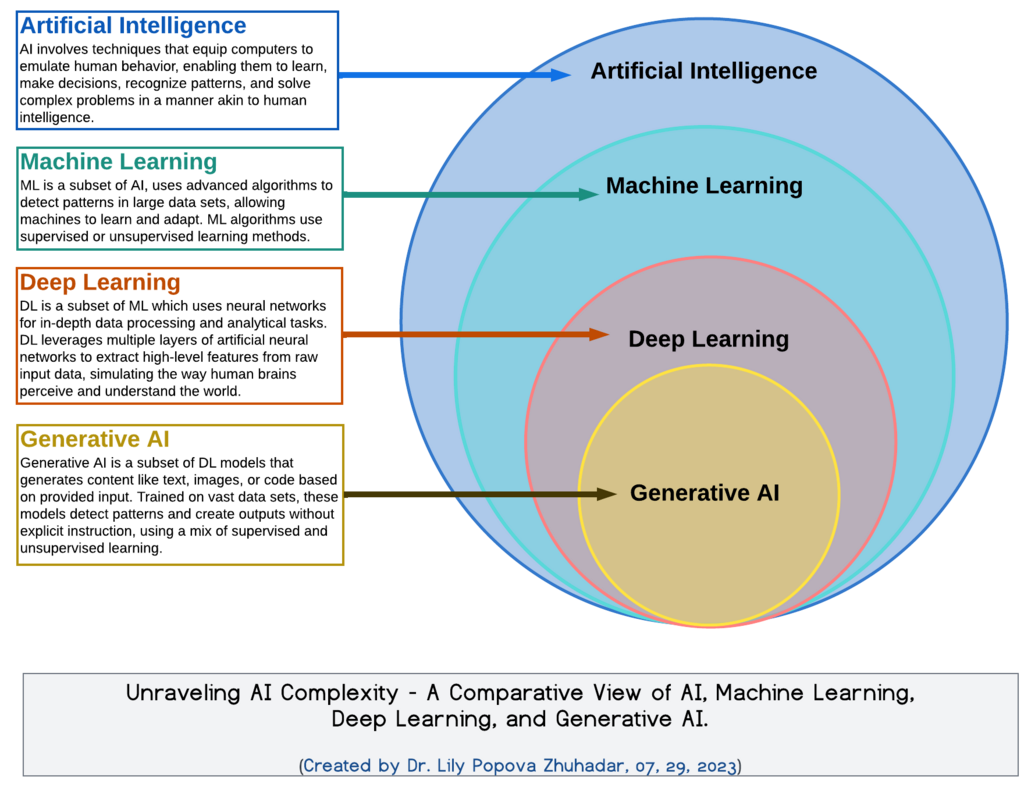
Artificial Intelligence (AI) empowers machines to learn from data, adapt to new information, and perform tasks akin to human capabilities.
Let’s think about the difference between a simple calculator and a smart digital assistant on your phone. A calculator follows strict, unchanging rules. If you press 2, then +, then 2, it will always show 4. It's programmed with a set of specific instructions: if the user presses these buttons, then perform this exact calculation. This is traditional computing.
Learning from Patterns
AI doesn't follow rigid 'if-then' rules. Instead, it learns from patterns in data. Imagine showing a piece of software thousands of pictures of cats. You don't tell it, "Look for pointy ears and whiskers." You just show it the pictures and tell it, "These are all cats." Over time, the software starts to recognize the common patterns in those images on its own.
After seeing enough examples, it can look at a brand-new picture and make a very good guess about whether it's a cat. This ability to learn from data, without being explicitly programmed for every single possibility, is what makes AI so powerful. It’s not 'thinking' like a human; it’s recognizing patterns on a massive scale.
| Feature | Traditional Software | Artificial Intelligence |
|---|---|---|
| How it Works | Follows explicit, hard-coded rules | Learns patterns from data |
| Example | A calculator | A photo-tagging app |
| Flexibility | Rigid and predictable | Adaptive and can improve |
| Core Idea | If-then logic | Pattern recognition |
This pattern-matching skill is what drives many features you already use. When a streaming service recommends a new show, it’s because an AI has identified patterns between what you’ve watched and what other people with similar tastes have enjoyed. When your phone unlocks by recognizing your face, it's an AI that has learned the unique patterns of your facial features.
Demystifying 'Intelligence'
The 'intelligence' in AI can be misleading. It's not about consciousness or feelings. It's about the ability to perform a specific task that would normally require human intelligence, like understanding language or recognizing objects.
AI systems are specialists. The AI that recommends movies is not the same one that diagnoses diseases from medical scans. Each one is trained on specific data to perform a narrow task very well. They are incredibly powerful tools for solving problems, but they are just that: tools. They recognize patterns in the information we give them, and they use those patterns to make predictions or decisions.
Artificial Intelligence
noun
The simulation of human intelligence in machines that are programmed to learn from data, identify patterns, and perform tasks that typically require human intellect.
As we continue, we'll see how this fundamental idea of learning from data powers an incredible variety of applications that are changing our world.
Ready to check your understanding?
What is the primary way that AI software learns, as described in the text?
An AI that is trained to recommend movies can also be used to diagnose diseases from medical scans.
Now you have a solid grasp of what modern AI is—not a thinking machine, but powerful software that learns from patterns in data to perform specific tasks.