Artification Intelligence Explained
Introduction to Artification Intelligence
The Rise of Artification Intelligence
When you think of an artist, you might picture someone with a paintbrush, a musical instrument, or a pen. But what if the artist's primary tool was an algorithm? This is the core idea behind 'Artification Intelligence'—the integration of artificial intelligence into the creative process.
This isn't about robots replacing artists. Instead, it's about a new form of collaboration. AI can be a tool, a partner, or even a source of inspiration, helping humans explore creative possibilities that were previously unimaginable. It's a way of using complex computational systems to generate, manipulate, and refine art.
Artification Intelligence treats AI as a creative collaborator, not just a machine that follows instructions. The goal is to discover new aesthetics and push the boundaries of what we consider art.
The idea of machines creating art isn't entirely new. Artists have been experimenting with computers since the 1960s. Pioneers like Harold Cohen developed a program called AARON, which could create original drawings based on a set of rules. However, these early systems were limited by their programming. Today's AI is different. It can learn.
Modern AI, especially with the development of neural networks, can analyze vast amounts of data—like thousands of paintings or symphonies—and learn the underlying patterns, styles, and structures. It can then use this knowledge to generate entirely new works.
A New Palette for Artists
AI's influence is spreading across all forms of art. In the visual realm, one of the biggest breakthroughs came from Generative Adversarial Networks, or GANs. In simple terms, a GAN involves two AIs working together. One, the 'generator,' creates images, while the other, the 'discriminator,' judges them against a set of real images. They compete and learn from each other, resulting in increasingly realistic and complex visuals.
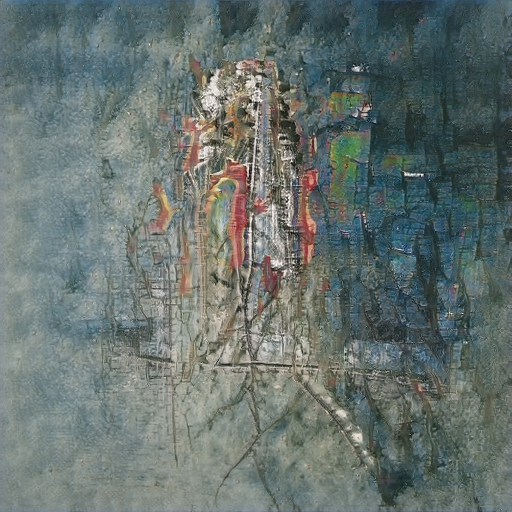
This technology has evolved into the sophisticated text-to-image models we see today, where a simple written description can be turned into a detailed picture. Artists use these tools to quickly prototype ideas, create surreal landscapes, or develop styles that would be impossible to achieve by hand.
Music composition has also been transformed. AI can analyze musical theory and the works of composers like Bach or Mozart, then create new melodies in their style. It can generate background scores for videos, help a songwriter who is stuck on a chord progression, or even invent entirely new musical instruments by synthesizing unique sounds.
The best practices for leveraging AI in music creation include approaching AI as a collaborative partner, focusing on clear artistic intent, and embracing experimentation.
And in literature, AI is becoming a powerful writer's assistant. It can help brainstorm plot points, suggest alternative phrasings, or even write entire passages of text. While AI-generated novels are still experimental, poets and short story writers are using these systems to play with language and discover surprising new connections between words.
This process shows how a single human concept can branch out into various artistic outputs through an AI model. The technology acts as a translator, turning an idea into a tangible piece of art in different mediums.
This blend of human creativity and machine intelligence is redefining what it means to be an artist. It challenges our ideas about originality and authorship while opening up an exciting new frontier for creative expression.