Artful Biscuit Baking
Understanding Biscuit Ingredients
The Four Pillars of Biscuits
Great biscuits rely on a handful of simple, high-quality ingredients working in harmony. It's not about complicated techniques, but about understanding what each component brings to the table. Flour provides the structure, leavening gives the lift, fat creates tenderness, and liquid brings it all together.
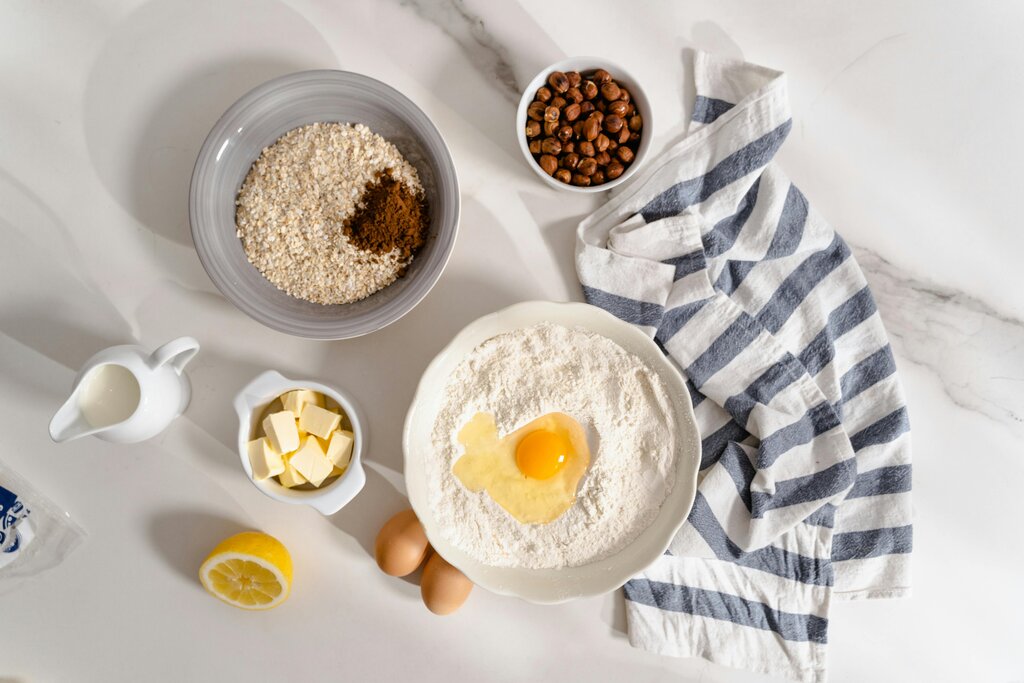
The Foundation: Flour
Flour is the backbone of your biscuit. The key thing to understand about flour is its protein content. When mixed with liquid, flour's proteins form gluten, an elastic network that gives baked goods their structure. For bread, you want a lot of gluten for a chewy texture. For biscuits, you want the opposite.
A tender, crumbly biscuit requires less gluten development. That's why many bakers prefer soft winter wheat flours, like White Lily, which are low in protein. If you can't find a specialty brand, all-purpose flour works just fine, but a lower-protein option like pastry flour will give you an even more delicate result. The less protein, the softer the biscuit.
Think of it this way: high-protein flour is for tug-of-war (chewy bread), while low-protein flour is for a gentle handshake (tender biscuits).
The Lift: Leavening
What makes a biscuit rise from a flat puck of dough into a fluffy tower? The answer is chemical leavening. These agents create carbon dioxide gas in the dough, which expands when heated in the oven, forcing the biscuit upward.
| Leavening Agent | How It Works | Best Used With... |
|---|---|---|
| Baking Soda | A base that reacts with an acid to produce CO2 gas. | Acidic liquids, like buttermilk or yogurt. |
| Baking Powder | A complete package containing both a base (baking soda) and an acid. | Neutral liquids, like regular milk. |
Most biscuit recipes that call for buttermilk will use baking soda to react with its natural acidity. Recipes using regular milk often rely on baking powder, which brings its own acid to the party. Some recipes even use both to ensure a powerful, reliable lift.
The Richness: Fat
Fat is responsible for a biscuit's flavor and, most importantly, its flaky texture. The magic happens when small pieces of solid, cold fat are worked into the flour. In the heat of the oven, this fat melts and releases steam. The steam pushes apart the surrounding dough, creating tiny pockets and those irresistible, flaky layers.
Butter is the go-to for its rich, creamy flavor. Shortening, which is 100% fat (butter is about 80% fat, 20% water), creates an exceptionally tender and light biscuit because it inhibits gluten formation more effectively. Many bakers swear by a combination of the two for the perfect balance of flavor and texture.
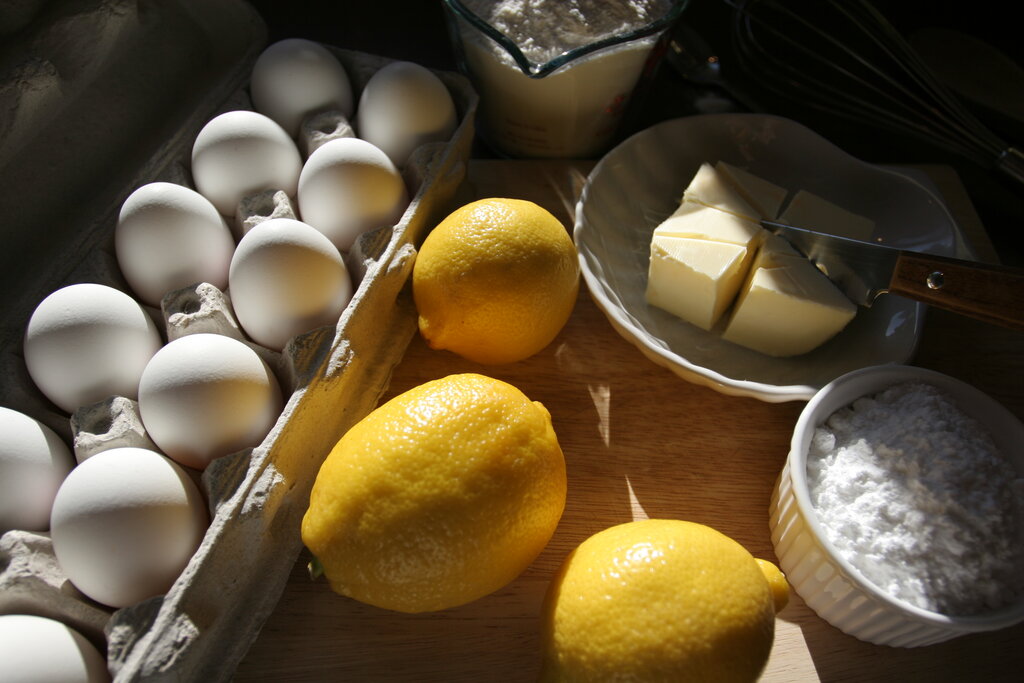
The most crucial rule is to keep your fat cold. If the butter or shortening warms up and melts into the flour before baking, you won't get those pockets of steam. Instead of light, flaky layers, you'll end up with a tough, dense biscuit. That's why recipes often instruct you to use fat straight from the fridge or even the freezer.
The Binder: Liquid
Liquid's job is to hydrate the flour, dissolve the salt and sugar, and activate the leavening agent. It's the final piece that brings the dough together.
Buttermilk is a classic choice for a reason. Its acidity not only activates baking soda but also tenderizes the gluten, resulting in a softer crumb. It also adds a distinctive, tangy flavor that complements the richness of the butter.
Regular milk is a perfectly good substitute, especially when paired with baking powder. For a richer biscuit, you could use heavy cream or half-and-half. Just like with fat, using cold liquid is important. It helps keep the butter or shortening from melting, preserving the potential for flaky layers.
What is the primary reason for using a low-protein flour, like pastry flour or soft winter wheat flour, when making biscuits?
What is the direct consequence of the fat (like butter or shortening) melting into the flour before the biscuits are baked?