Art of Perfume Creation and Sales
Introduction to Perfumery
A Scent Through Time
Fragrance has been woven into the fabric of human history for thousands of years. It wasn't always about smelling good for a night out. The earliest perfumes were forms of incense, first used by the Mesopotamians about 4,000 years ago for religious ceremonies. The idea was that burning fragrant resins and woods would carry their prayers up to the gods.
Perfumery was deeply integrated into Ancient Egyptian culture, used in religious rituals, burial practices, and daily life for its pleasant aroma, medicinal qualities, and as a deodorant to combat sweat.
The Egyptians were masters of fragrance, creating scented oils and balms for everything from sacred rituals to personal grooming. The Greeks and Romans followed, associating specific scents with their gods and viewing perfumery as a high art. They even perfumed their pets and household items.
However, the techniques we recognize today owe a great deal to the Persian and Arab worlds. They perfected the process of distillation, allowing them to extract essential oils from flowers and create more refined and potent fragrances. This knowledge eventually made its way to Europe during the Middle Ages, setting the stage for the perfumeries of France and Italy to flourish.
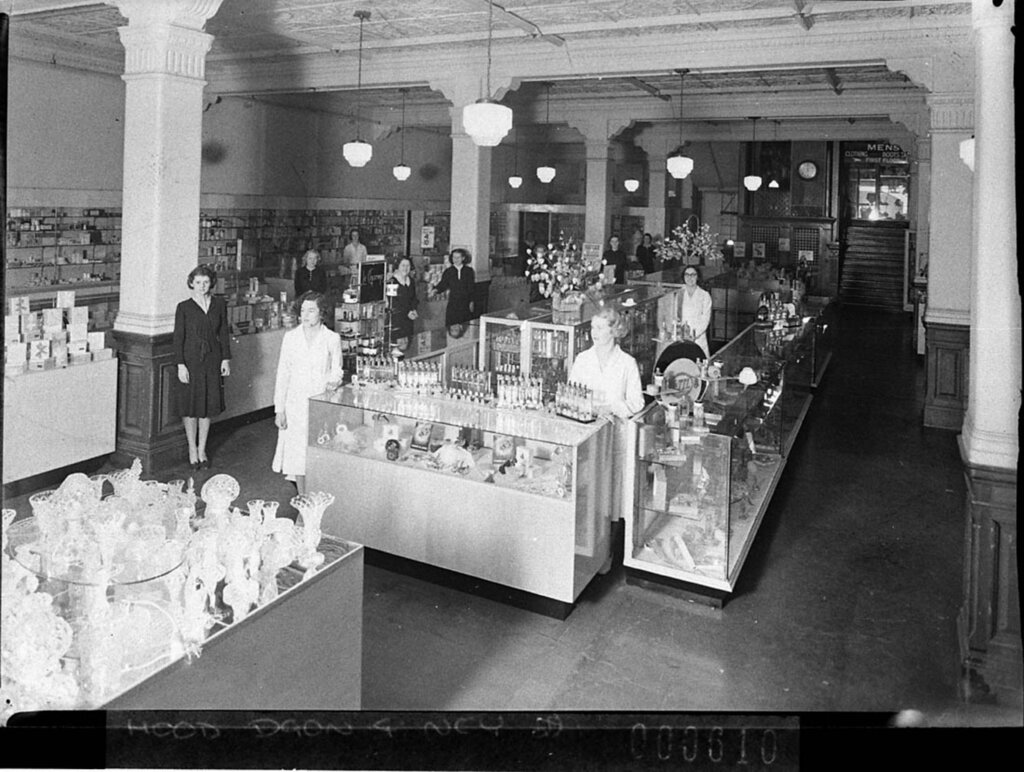
By the 19th century, the advent of synthetic chemistry changed everything. Perfumers were no longer limited to natural ingredients. They could create entirely new smells, making perfumes more accessible and complex than ever before.
The Language of Scent
To understand perfume, you need to know its language. A fragrance isn't just one smell; it's a carefully constructed composition of different scents, known as notes. Think of it like a piece of music, with different elements that unfold over time.
Scents are typically categorized into top, middle, and base notes, with top notes being the first to hit your senses and base notes giving a lasting impression.
Let’s break that down:
-
Top Notes: These are the scents you smell immediately after applying a perfume. They are light, fresh, and evaporate quickly, usually within 15 minutes. Think citrus, herbs, and light fruits.
-
Middle Notes: Also called heart notes, these emerge just as the top notes fade. They form the main character of the fragrance and are usually more rounded and mellow. Floral scents like jasmine and rose are common middle notes.
-
Base Notes: These are the deep, rich scents that anchor the fragrance and give it staying power. They appear last and can linger for hours. Common base notes include musk, vanilla, sandalwood, and amber.
A balanced combination of these notes creates a harmonious scent, often called an accord.
accord
noun
A blend of two or more notes that combine to create a completely new, unified scent impression.
Two other important terms describe a perfume's performance: longevity and sillage.
Longevity is simply how long the fragrance lasts on your skin. Sillage (pronounced see-yazh) is the scent trail a perfume leaves behind as you move. A fragrance with strong sillage is noticeable to others, while one with weak sillage stays close to the skin.
Fragrance Families
Just as sounds are grouped into musical genres, scents are organized into fragrance families. This classification system helps describe a perfume's overall character. While there are many sub-families, most fragrances fall into four main groups.
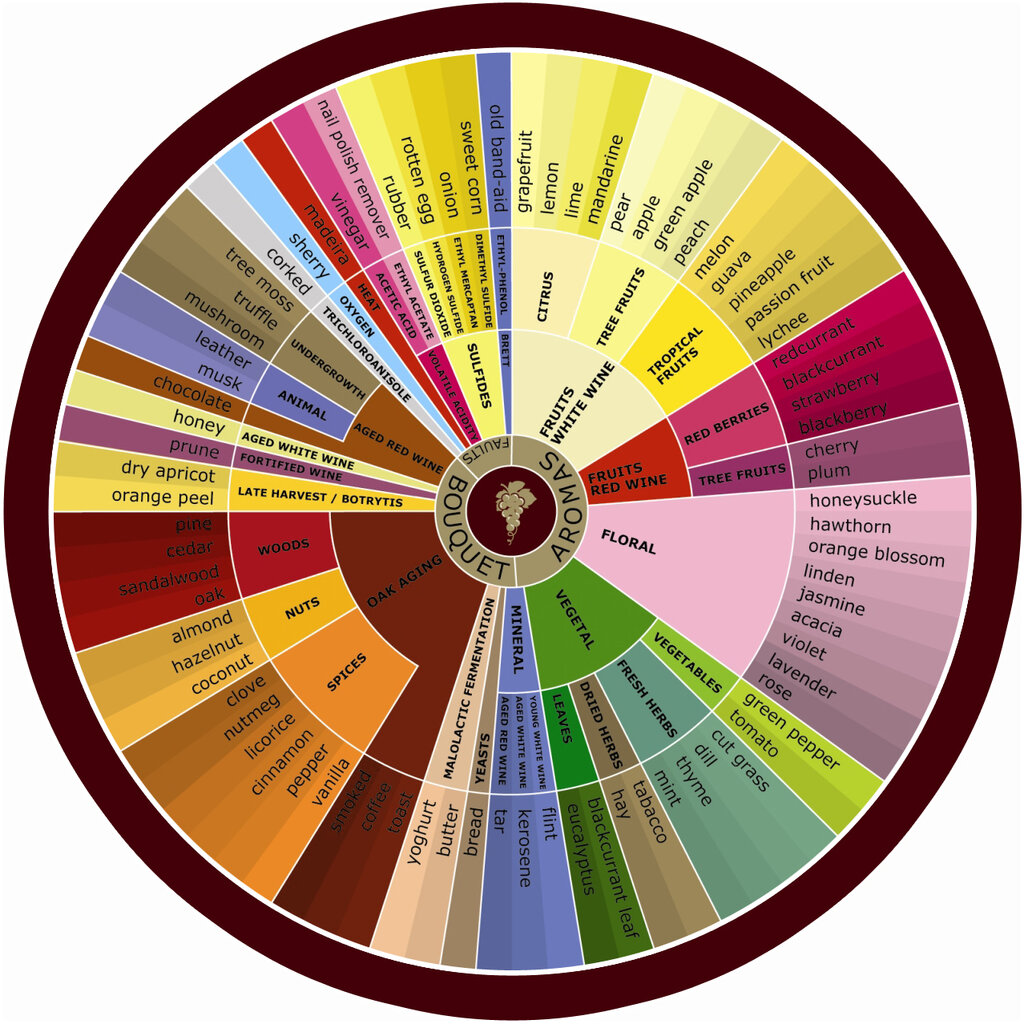
| Family | Characteristics | Common Notes |
|---|---|---|
| Floral | Smells like fresh-cut flowers. Can be light and delicate or rich and complex. | Rose, Jasmine, Lily, Gardenia |
| Amber | Warm, rich, and often spicy or sweet. Also known as Oriental. | Vanilla, Myrrh, Anise, Spices |
| Woody | Earthy and warm, reminiscent of a forest floor or fresh-cut wood. | Sandalwood, Cedarwood, Vetiver, Patchouli |
| Fresh | Bright, clean, and invigorating. This family has several sub-groups. | Lemon, Bergamot, Ocean Breeze, Green Leaves |
Understanding these families is the first step toward identifying the types of scents you're drawn to. It provides a map for exploring the vast world of perfumery.
Ready to test your knowledge? Let's see what you've learned about the fundamentals of fragrance.
Which civilization first used perfumes in the form of incense for religious ceremonies around 4,000 years ago?
The scent notes that form the main character of a fragrance and emerge after the initial scents fade are called...
From ancient rituals to modern chemistry, the art of perfumery is a story of culture, science, and sensory exploration. You now have the foundational knowledge to start your own journey into this fragrant world.