Art History Evolution and Synthesis
Mannerism to Baroque
From Harmony to Drama
The High Renaissance, with its emphasis on harmony, balance, and rational space, represented a pinnacle of classical ideals. But as the 16th century unfolded, Europe entered a period of profound upheaval. The Protestant Reformation, initiated in 1517, shattered the singular religious authority of the Catholic Church, plunging the continent into decades of conflict and uncertainty. This social and spiritual crisis found a powerful echo in the art world, giving rise to Mannerism.
Mannerism intentionally subverted the serene classicism of the Renaissance. It was a style defined by its artificiality, sophistication, and emotional intensity.
Mannerist artists rejected the clear, stable compositions of their predecessors. Instead, they embraced ambiguity. Figures were often elongated, contorted into elegant but unnatural poses—the figura serpentinata, or serpentine figure, was a hallmark. Compositions became crowded and deliberately unbalanced, creating a sense of anxiety. The logical perspective of the Renaissance gave way to compressed, illogical, or ambiguous spaces that disoriented the viewer. Color palettes shifted to jarring, acidic hues, further heightening the emotional pitch.
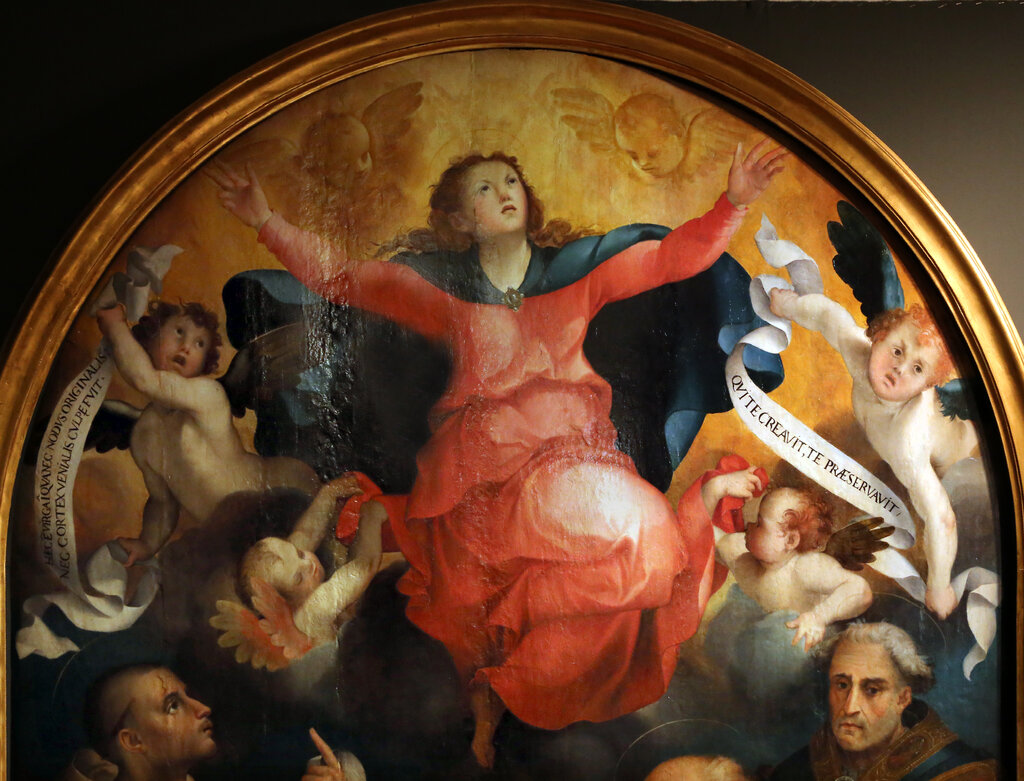
Artists like Pontormo and El Greco pushed these boundaries. Pontormo's swirling compositions and ghostly colors convey deep spiritual unease, while El Greco's ecstatic, elongated figures seem to flicker with an otherworldly light, dissolving the rational space they inhabit.
The Church Strikes Back
The Catholic Church's response to the Protestant Reformation was the Counter-Reformation, a movement to reform from within and reaffirm its doctrines. A key part of this campaign was the Council of Trent (1545-1563), which, among many other things, issued decrees on the role of art. The Council demanded that religious art be direct, emotionally persuasive, and doctrinally clear. It was to be a powerful tool to inspire faith and awe in the populace, moving away from the intellectual artifice of Mannerism.
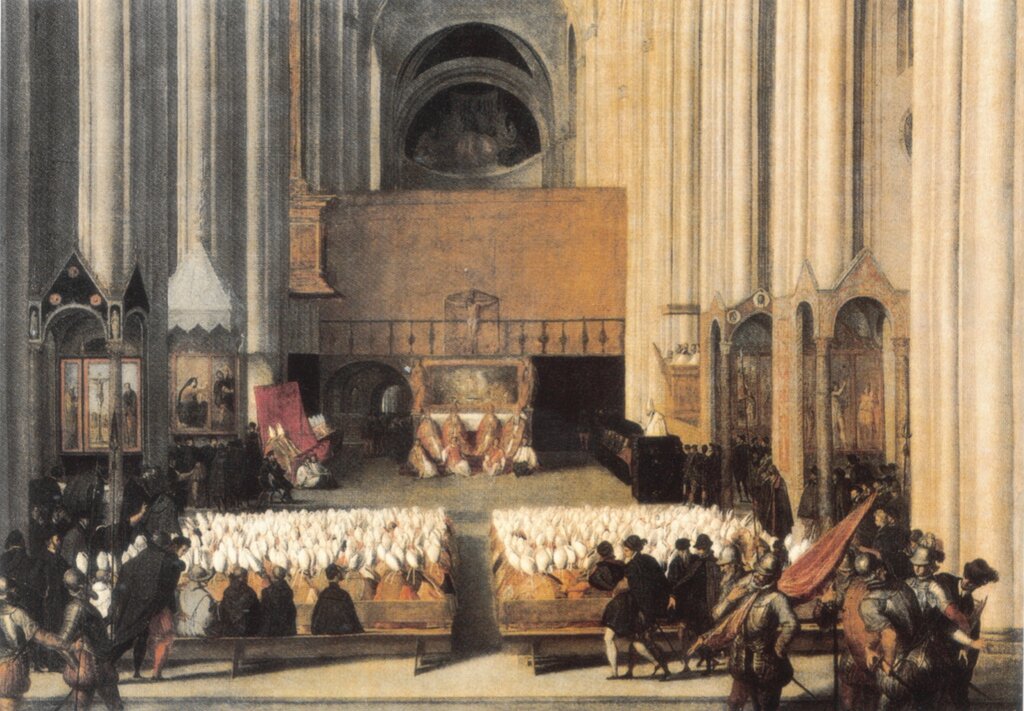
This mandate gave birth to the Baroque style. If Mannerism was about intellectual anxiety, Baroque was about visceral emotion. It was designed to be a spectacle, a theatrical experience that engaged the viewer's senses and spirit directly. The goal was no longer quiet contemplation but overwhelming persuasion.
Baroque art aimed to captivate viewers, drawing them into religious narratives through movement, grandeur, and theatricality.
The Language of the Baroque
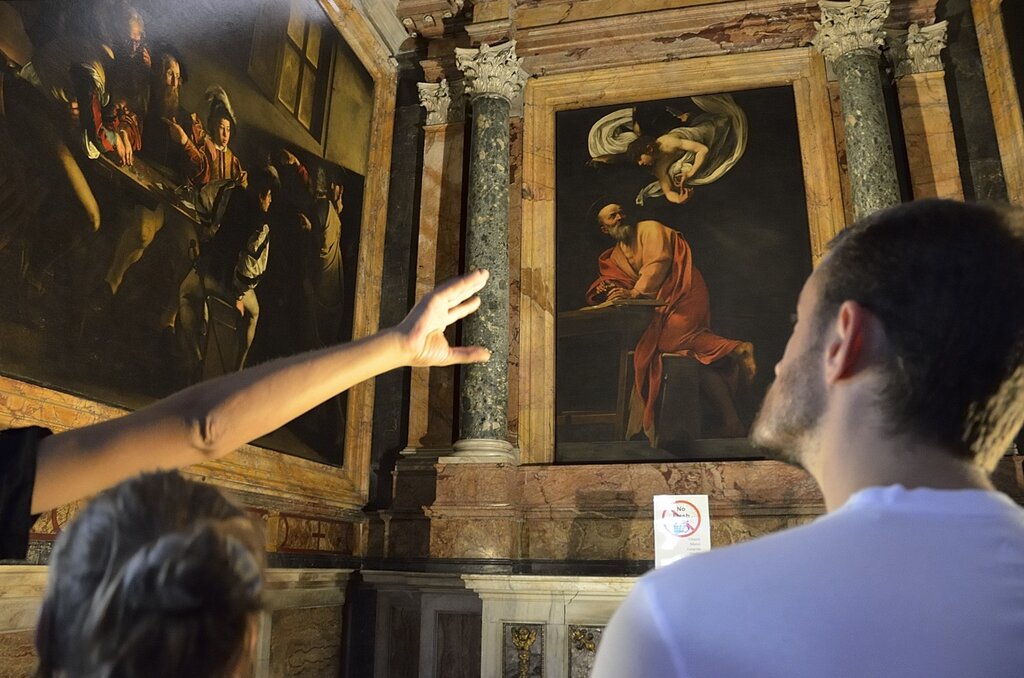
The leading figure of this new style in painting was Michelangelo Merisi da Caravaggio. He discarded the idealized figures of the Renaissance and the elegant contortions of Mannerism, instead painting saints and holy figures as ordinary, often rugged, people. His most powerful tool was an intensified form of chiaroscuro called tenebrism.
Tenebrism
noun
A dramatic use of light and shadow where darkness dominates the image and light is used to illuminate figures, often from a single, distinct source.
In tenebrism, deep, enveloping shadows dominate the canvas, from which figures emerge in dramatic, raking light. This wasn't just a visual trick; it was a psychological tool. The intense contrast focused the narrative on the most critical moment, creating a raw, immediate, and often violent sense of drama. It drew the viewer into the scene with an undeniable force.
This theatricality extended beyond painting. In sculpture, Gian Lorenzo Bernini captured fleeting moments of intense emotion, making marble appear soft and dynamic. His Ecstasy of Saint Teresa is a masterwork of Baroque spectacle, combining sculpture, painting, and architecture to create a total, immersive spiritual experience. Baroque architecture, with its curving facades, dramatic ornamentation, and grand scale, similarly aimed to overwhelm the senses and convey the power and glory of the Church.
| Style | High Renaissance | Mannerism | Baroque |
|---|---|---|---|
| Composition | Balanced, stable, harmonious | Unbalanced, crowded, ambiguous | Dynamic, diagonal, theatrical |
| Figures | Idealized, proportional | Elongated, serpentine poses | Naturalistic, emotional |
| Space | Rational, linear perspective | Illogical, compressed | Expansive, dramatic |
| Mood | Calm, ordered, intellectual | Anxious, artificial, emotional | Dramatic, intense, persuasive |
The shift from Renaissance to Baroque was a trade-off. The serene, intellectual clarity of artists like Raphael was replaced by the emotional, propagandistic power of Caravaggio and Bernini. In a fractured Europe, art was no longer just a window onto a perfect, ordered world; it had become a weapon in the battle for souls.
Time to check your understanding of these pivotal art movements.
What major historical upheaval is cited as a catalyst for the shift from the harmonious ideals of the High Renaissance to the anxious, artificial style of Mannerism?
Which of the following is a defining characteristic of Mannerist painting, setting it apart from the High Renaissance?
The transition from Mannerism's deliberate instability to the Baroque's persuasive drama highlights how profoundly art responds to the sociopolitical and religious currents of its time.