Art Direction in Advertising
Introduction to Art Direction
What is an Art Director?
An art director is the visual leader of a creative project. Think of them as the director of a film, but for a brand's look and feel. They are responsible for the overall visual style of an advertising campaign, from the color of a button on a website to the lighting in a commercial.
Their main job is to take a company's message and marketing goals and translate them into a compelling visual language. They don't just make things look pretty; they create a visual experience that connects with a specific audience and communicates a clear idea. To do this, they lead a team of graphic designers, photographers, illustrators, and other creative professionals, ensuring everyone's work comes together to form a single, unified vision.

From Print to Pixels
The role of an art director has changed dramatically over the years. In the early days of advertising, the focus was almost entirely on print. Art directors worked with physical layouts, arranging text and images for newspapers and magazines. Their toolbox consisted of pencils, paste-up boards, and a keen eye for composition.
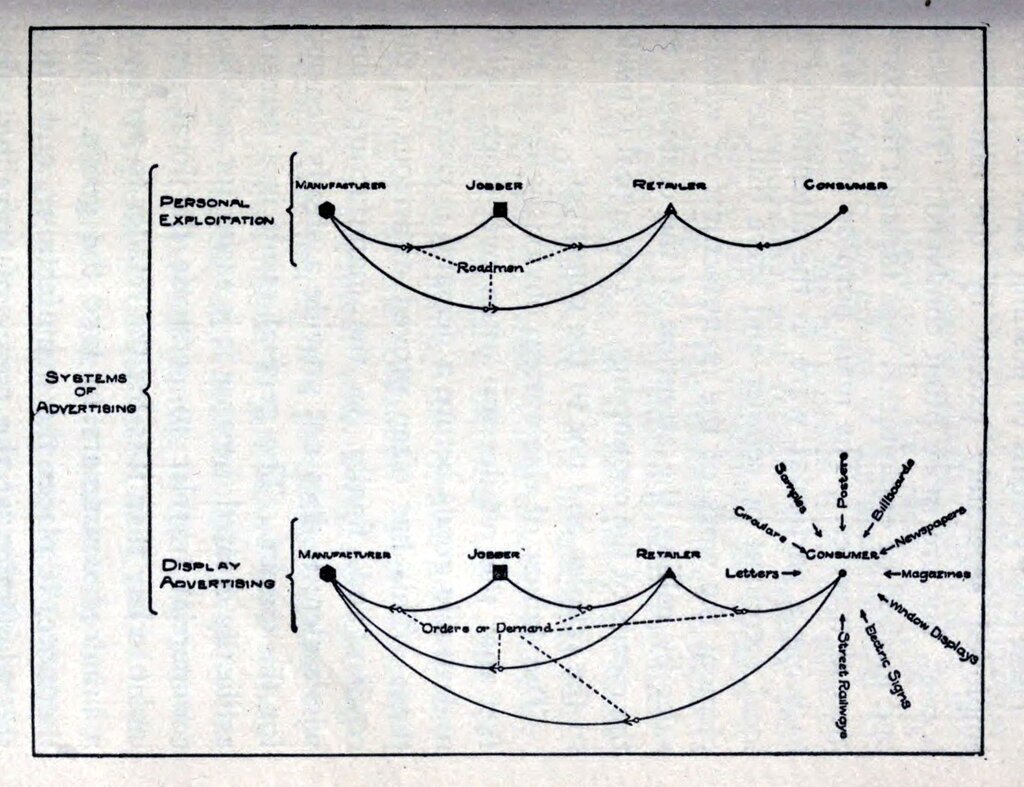
With the rise of television, their canvas expanded to the moving image. Then came the internet, which blew the doors wide open. Today, an art director must think about how a brand's visual story unfolds across dozens of platforms, from a massive billboard to the tiny screen of a smartwatch. The core mission is the same, but the skills required have evolved to include an understanding of digital media, user experience, and interactive design.
The Art Director's Skillset
Being a successful art director requires a unique blend of creative talent and strategic thinking. It's not enough to have a good eye; you need to understand the 'why' behind every visual choice. Here are some of the key skills needed.
| Skill | Description | Why it's important |
|---|---|---|
| Creative Vision | The ability to imagine a unique and compelling visual world for a brand. | It's the starting point for every campaign and sets the project's direction. |
| Design Principles | A deep understanding of typography, color theory, layout, and composition. | These are the fundamental tools used to build effective visual communication. |
| Communication | The ability to clearly articulate ideas to team members, clients, and stakeholders. | A great idea is useless if it can't be explained and shared with others. |
| Leadership | Guiding and inspiring a creative team to execute the vision to the highest standard. | Art directors orchestrate the work of many people to create a cohesive result. |
| Strategic Thinking | Connecting visual concepts directly to business goals and the target audience's needs. | This ensures that the creative work is not just beautiful, but also effective. |
These skills work together. A director's vision is brought to life using design principles, communicated to the team through strong leadership, and grounded in a strategy that ensures the final product achieves its goals.
A successful designer will think carefully about these rhetorical purposes and use basic design principles to engage the audience’s attention, to draw their eyes to certain parts of the page, and to create a sense of order and direction that helps the reader process the information and follow the steps you’ve outlined for them.
Visuals That Speak
Ultimately, the power of art direction lies in its ability to tell a story without words. The right image, font, or color palette can evoke an emotion, build trust, and make a brand memorable. This is visual storytelling.
A brand's visual identity is its personality. Is it playful and energetic? Sleek and sophisticated? Reliable and traditional? The art director makes these abstract qualities tangible. They ensure that every visual element, from the company logo to the latest social media post, feels like it comes from the same place and tells a consistent story.
This consistency builds brand recognition and trust. When you see a certain shade of red, you might think of Coca-Cola. A simple swoosh brings Nike to mind. That's not an accident; it's the result of deliberate and consistent art direction over many years.
By aligning the visual concept with brand strategy, art directors create a powerful shorthand that communicates a brand's values and promises instantly. This emotional connection is often what drives a consumer's decision, making art direction a critical component of successful advertising.
Time to check your understanding of the fundamentals of art direction.
What is the primary responsibility of an art director?
According to the text, a brand's visual identity is its __________.
The role of the art director is to be the guardian of a brand's visual soul, ensuring its story is told clearly and consistently across every platform.