Art Direction Essentials
Introduction to Art Direction
What Is an Art Director?
At its heart, art direction is about shaping the visual soul of a project. Whether it's a magazine, a website, a film, or an advertising campaign, the art director is the person responsible for its overall look and feel. They are the visual storytellers who decide how to communicate a message or a mood without words.
An art director's main job is to create a cohesive visual language that speaks directly to the audience.
Think of them as the conductor of a visual orchestra. They don't play every instrument, but they guide the musicians—the graphic designers, photographers, illustrators, and other artists—to create a harmonious result. They establish the creative vision and ensure that every visual element, from the color palette to the typography, works together to support the core idea.
A Brief History
The role of the art director wasn't born overnight. It emerged in the early 20th century, primarily within the bustling worlds of magazine publishing and advertising agencies. Initially, people in these roles were often called "layout artists," focused on arranging text and images on a page. But as industries grew more competitive, the need for a stronger, more unified visual message became clear.
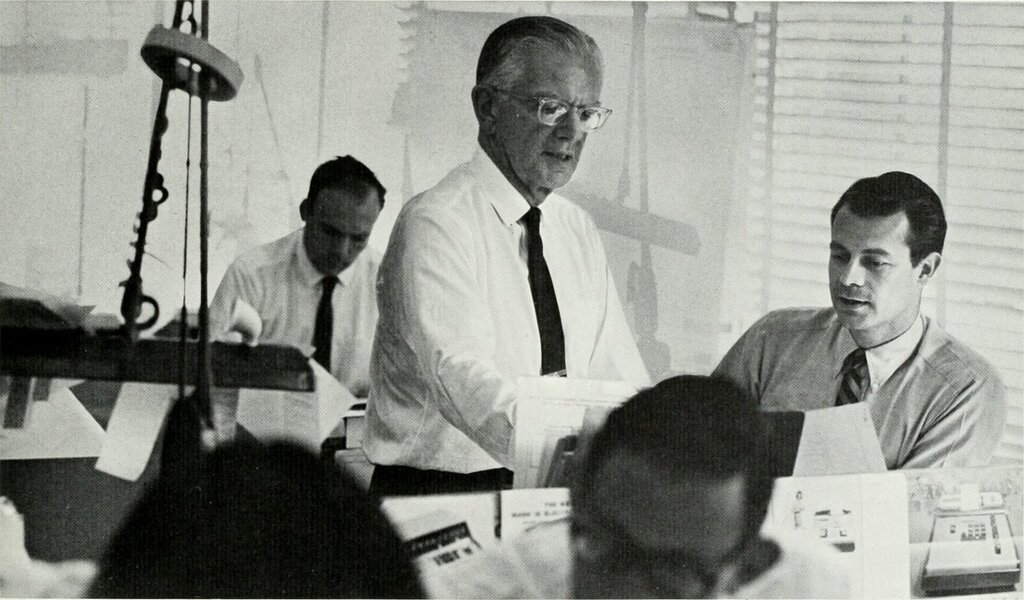
Visionaries like Alexey Brodovitch at Harper's Bazaar and Paul Rand in corporate design transformed the field. They showed that art direction was about more than just decoration; it was about conceptual thinking and powerful communication. With the rise of television, film, and later the internet, the art director's canvas expanded. The fundamental goal remained the same, but the tools and media evolved, demanding new skills and a broader understanding of different platforms.
Responsibilities and Skills
An art director wears many hats. Their day-to-day work is a blend of creative ideation, project management, and team leadership. They are responsible for taking a project from an initial concept to a final, polished product.
| Key Responsibility | Description |
|---|---|
| Conceptualizing | Brainstorming and developing the core visual idea and strategy. |
| Leading Teams | Directing and inspiring a team of creative professionals. |
| Presenting Ideas | Pitching concepts to clients and stakeholders for approval. |
| Overseeing Production | Ensuring the final output aligns with the original vision. |
To succeed, an art director needs a diverse skill set. Strong artistic and design abilities are a given, but they must be paired with excellent communication and leadership qualities. They need to understand design principles, photography, and typography, but also be able to manage budgets, timelines, and people. It's a role that requires both a creative mind and a practical, organized approach.
The Power of Visual Storytelling
Ultimately, art direction is about storytelling. Humans are visual creatures, and we process images far more quickly than text. A strong visual narrative can evoke emotions, build trust, and make a message memorable. Whether it's the minimalist design of a tech brand conveying simplicity and elegance, or the gritty, realistic photography in a documentary poster, every visual choice tells a part of the story.
The art director's goal is to ensure that the story is not only seen but also felt.
By guiding the visual elements, an art director creates an immersive experience for the audience. They build a world, set a tone, and make a brand or idea instantly recognizable. This ability to craft a compelling visual narrative is what makes art direction such a critical component of any successful creative project.
What is the primary responsibility of an art director?
The provided text compares an art director to a...
This foundation gives you a sense of what art direction is all about: a blend of vision, leadership, and storytelling that brings ideas to life visually.