Aromatherapy for Health and Wellbeing
Introduction to Aromatherapy
The Essence of Aromatherapy
Aromatherapy is the practice of using essential oils for therapeutic benefit. While the term was only coined in the 20th century, the practice itself is thousands of years old. Ancient cultures in China, India, and Egypt used aromatic plant components in resins, balms, and oils for religious ceremonies, medical purposes, and personal care.
Aromatherapy
noun
A holistic healing treatment that uses natural plant extracts to promote health and well-being. It's sometimes called essential oil therapy.
Think of it as using the concentrated essences of plants, or their essential oils, to support the health of your mind and body. It’s a field that merges the art of ancient healing with modern science.
From Plant to Bottle
Essential oils are highly concentrated compounds extracted from plants. The oil captures the plant's scent and flavor, also known as its "essence." But how do we get this essence out of the leaves, flowers, bark, or roots and into a small bottle? There are several methods.
It can take a huge amount of plant material to produce a tiny amount of essential oil. For example, it takes about 220 pounds of lavender flowers to produce just one pound of lavender oil.
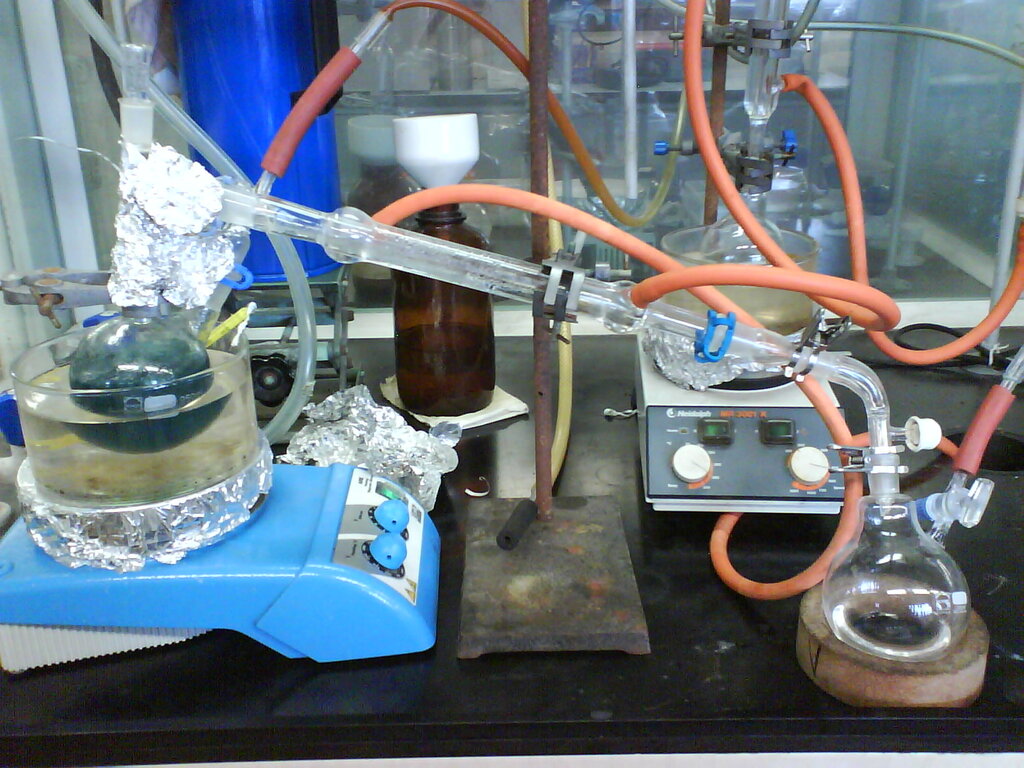
The most common extraction method is steam distillation. Plant material is placed in a still and steam is passed through it. The steam vaporizes the plant's volatile compounds, which are then cooled and condensed back into liquid. The oil separates from the water and is collected.
Another method is expression, or cold pressing. This technique is primarily used for citrus peels, like lemon and orange. The peels are mechanically pressed to squeeze out the oil. No heat is involved, which helps preserve the oil's delicate chemical structure.
Finally, there's solvent extraction, used for plants that can't withstand the heat of distillation, like jasmine or rose. The plant material is treated with a solvent that dissolves the aromatic compounds. The solvent is later removed, leaving behind a highly concentrated aromatic substance.
The Science of Scent
So, what's inside these oils? Essential oils are complex mixtures of natural chemical compounds. These tiny, aromatic molecules are what give an oil its specific scent and therapeutic properties. Each oil can contain hundreds of different constituents.
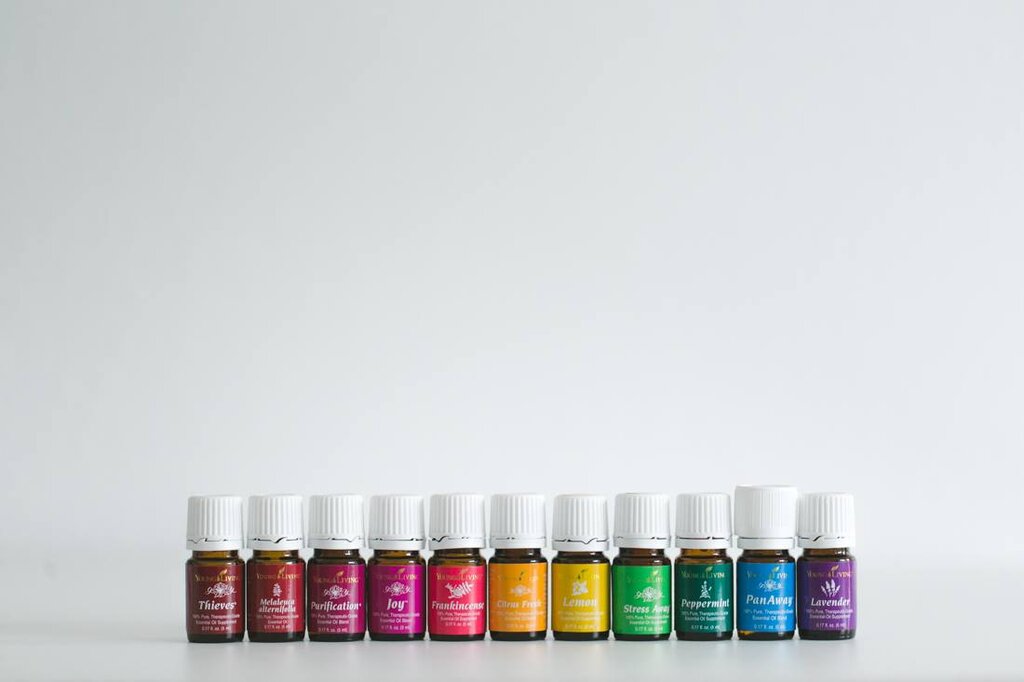
These compounds belong to different chemical families, like terpenes, esters, oxides, and phenols. The specific blend of these components determines the oil's aroma, effects, and safety considerations. For example, linalool, found in lavender, is known for its calming effects, while limonene, common in citrus oils, is known to be uplifting.
| Constituent | Commonly Found In | Associated Effect |
|---|---|---|
| Linalool | Lavender, Basil | Calming, Relaxing |
| Limonene | Lemon, Orange | Uplifting, Cleansing |
| Menthol | Peppermint | Cooling, Invigorating |
| Eucalyptol | Eucalyptus, Rosemary | Supports Respiration |
Putting Oils to Use
There are three main ways to use essential oils in aromatherapy: inhalation, topical application, and diffusion.
Inhalation is the fastest way to experience the aromatic benefits of essential oils. When you inhale a scent, molecules travel through your nose to the olfactory system in the brain, which is linked to emotion and memory. You can simply open a bottle and breathe in, or put a few drops on a tissue.
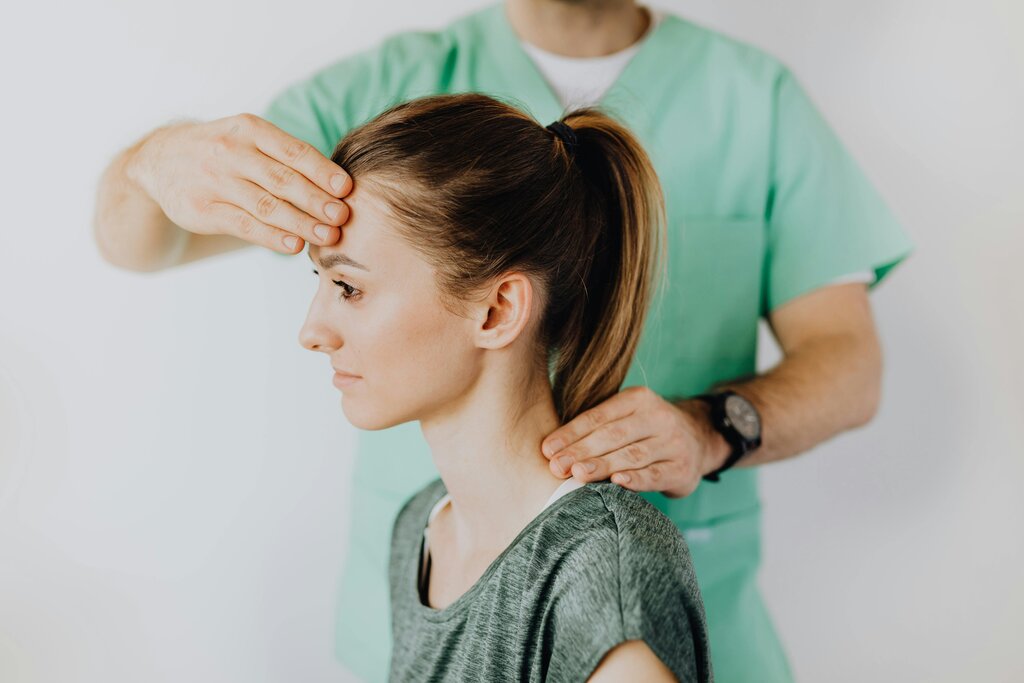
Topical application involves applying essential oils directly to the skin. Because they are so concentrated, they should almost always be diluted in a carrier oil, such as jojoba or coconut oil, before being applied. This method is often used in massage or added to skincare products.
Diffusion is a form of inhalation that disperses essential oils into the air. Electronic diffusers use water and ultrasonic vibrations to create a fine mist, allowing you to enjoy the aroma throughout a room. It's a great way to create a specific atmosphere, whether you want to feel energized or relaxed.
Understanding these foundations—what aromatherapy is, where the oils come from, and how to use them—is the first step into a wider world of scent and well-being.
What is the most common method for extracting essential oils from plant material?
The practice of using essential oils for therapeutic benefit, known as aromatherapy, is a modern invention from the 20th century.