Armenia's Digital Payments Legislative and Cybersecurity Landscape
Armenia's Digital Payment Landscape
Armenia's Digital Payment Boom
Armenia is experiencing a dramatic shift in how people handle money. Gone are the days when cash was king. Digital payments are rapidly becoming the new normal, a change that has accelerated in just a few short years.
Between 2020 and 2023, the total value of transactions made with payment cards more than doubled. The number of these transactions skyrocketed from 81.2 million to a staggering 338.8 million.
This isn't just a minor trend; it's a fundamental transformation of the country's financial habits. More Armenians are tapping their cards, scanning QR codes, and using mobile apps to pay for everything from groceries to utility bills. This surge points to growing trust and convenience in digital systems.
A Tale of Two Economies
While the national statistics are impressive, they don't tell the whole story. Armenia's digital progress is unevenly distributed, creating a clear divide between urban centers and rural communities.
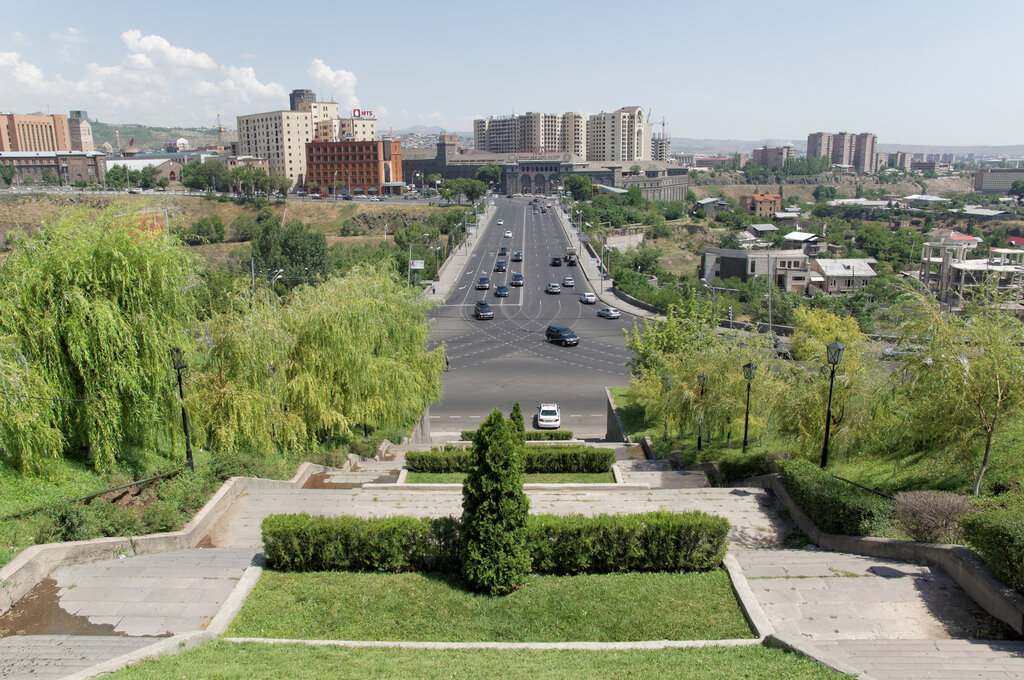
In cities like Yerevan, digital payments are widespread. Cafes, shops, and taxis readily accept cards and mobile payments. The infrastructure is robust, and the population is generally comfortable with the technology.
However, step outside the major urban areas, and the picture changes. Cash remains the dominant form of payment in many rural villages. This reliance on physical money isn't just a matter of preference; it's driven by several persistent challenges.
Several factors contribute to this gap:
- Infrastructure: Reliable internet access and point-of-sale (POS) terminals are less common in remote regions, making it difficult for small businesses to accept digital payments.
- Financial Literacy: There's a knowledge gap. Some people in rural areas may not be familiar with how to use digital banking apps or understand their benefits.
- Cash Culture: A long-standing preference for cash persists, partly because cash transactions are harder to track. For some small merchants, this is a way to avoid taxes.
Driving the Digital Future
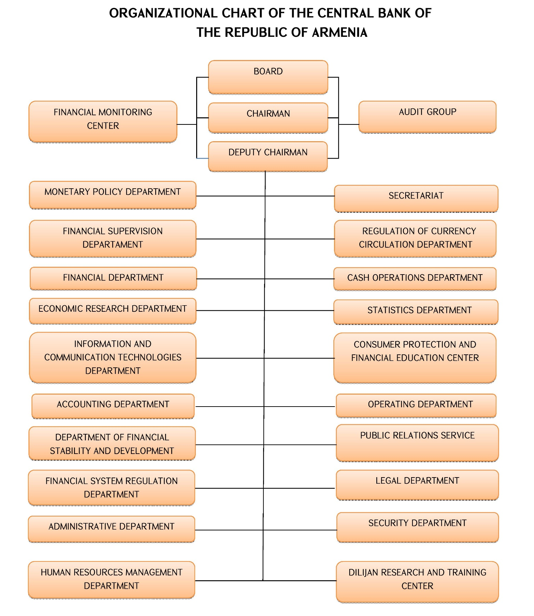
Addressing this divide is a priority for key players in Armenia's economy. The Central Bank of Armenia is actively working to modernize the country's payment systems and spearhead financial literacy campaigns aimed at educating the public about the benefits and security of digital finance.
Private companies are also stepping up. Banks and fintech startups are expanding their networks of ATMs and POS terminals into more remote areas. They're developing user-friendly mobile applications and offering incentives like cashback and loyalty programs to encourage people to make the switch from cash to digital.
These combined efforts are crucial for building a more inclusive financial system where every citizen, regardless of their location, can participate in the digital economy.
Time to check your understanding.
What is the primary trend described in the text regarding financial transactions in Armenia?
The adoption of digital payments is evenly distributed between Armenia's urban and rural areas.
Closing the gap between urban and rural areas remains the biggest challenge, but the momentum toward a cashless society in Armenia is undeniable.