Armenian Video Generation with Reference Styles
Introduction to AI Video Generation
AI Beyond the Big Screen
When you hear “AI in media,” you might think of sentient robots in sci-fi movies. But the real revolution is happening behind the scenes. AI is no longer just a character in the story; it’s starting to write, direct, and animate the story itself.
At its core, generative AI learns from existing content. It analyzes millions of images, articles, and videos to understand patterns, styles, and structures. Think of it like a culinary student who has tasted thousands of dishes to learn how flavors and textures combine. After all that learning, they can create a completely new recipe that still tastes delicious and makes sense. Similarly, AI can generate a new image, a piece of music, or even a video clip that feels authentic because it has learned the underlying rules of the medium.
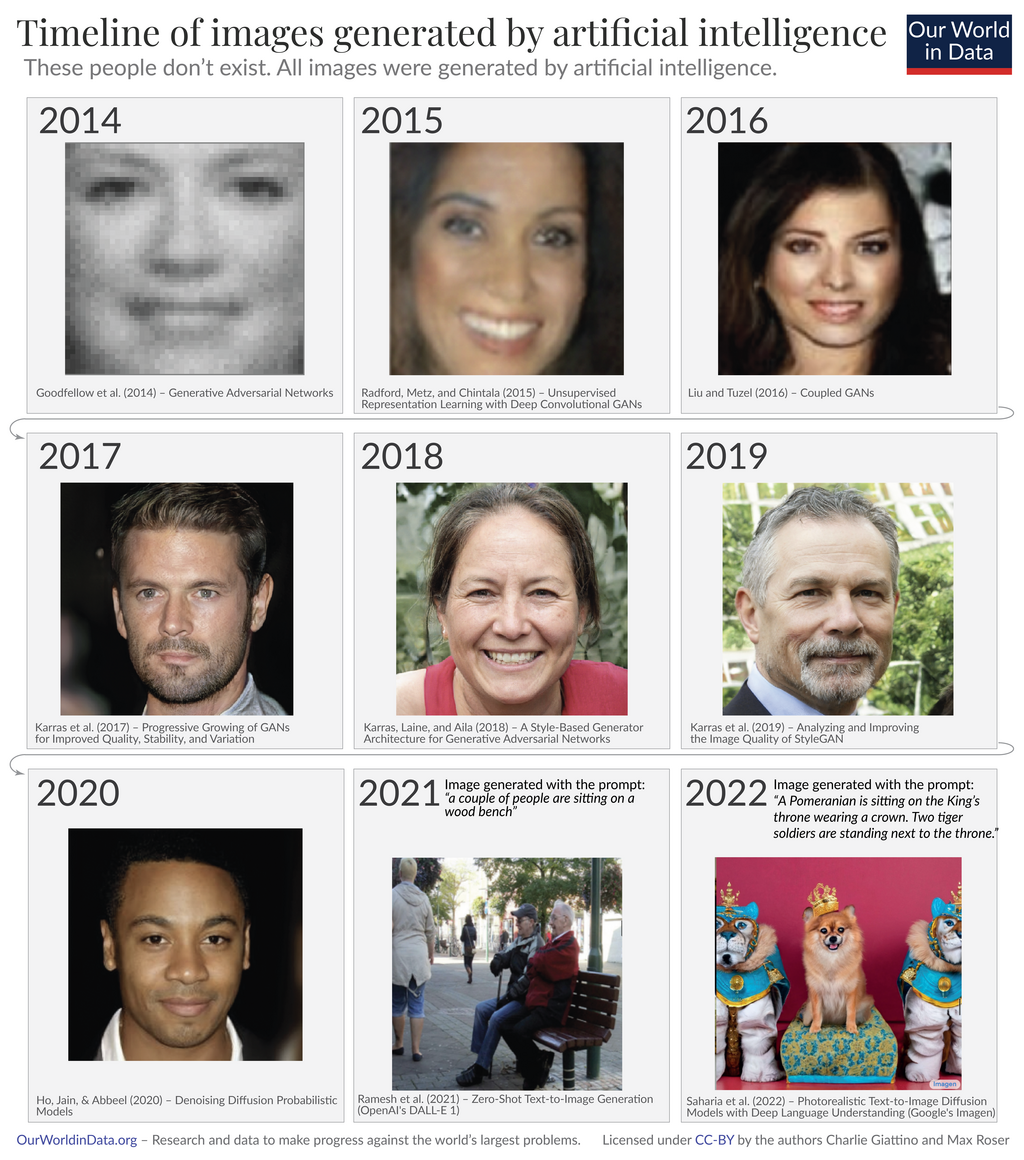
Video is essentially a rapid sequence of images paired with audio. By mastering image generation, AI took a huge leap toward creating video. The challenge is not just creating believable individual frames, but ensuring they flow together smoothly and logically, a concept called temporal consistency.
How Machines Learn to Direct
Creating a video requires understanding motion, physics, and storytelling. Machine learning models, particularly those designed for video synthesis, are trained on massive datasets of video footage. From this data, they learn everything from how a ball bounces to how a person’s expression changes when they smile.
Early methods involved Generative Adversarial Networks (GANs). You can imagine a GAN as a pair of AIs in a creative competition. One AI, the “generator,” creates a fake video clip. The other, the “discriminator,” tries to tell if the clip is fake or from the real training data. They go back and forth, and with each round, the generator gets better at creating convincing fakes. The discriminator becomes a tougher critic, forcing the generator to improve.
More recently, diffusion models have become popular. These models work by taking a clear image and gradually adding “noise” or static until it’s unrecognizable. Then, they learn how to reverse the process. By learning to remove noise and reconstruct the original image, the AI can start from pure noise and “denoise” it into a brand-new, coherent image or video based on a text prompt.
The goal of these models is to create video that is not only visually realistic but also moves and behaves in a way that aligns with our understanding of the real world.
The Modern AI Toolkit
Today, a wide array of AI tools can generate video from simple text prompts. These “text-to-video” models can create short clips of almost anything you can describe, from a dog riding a skateboard on Mars to a photorealistic fly-through of a bustling city.
Other tools specialize in creating digital avatars. These systems can generate a realistic human presenter who can speak any text you provide. Some can even clone a person’s voice and mannerisms from a reference video. This allows for the creation of personalized video messages or educational content in different languages without needing a camera, studio, or even a human actor in the traditional sense.
| Tool Type | Primary Function | Common Use Case |
|---|---|---|
| Text-to-Video | Generates video clips from text descriptions. | Creating short films, ads, or visual concepts. |
| AI Avatar | Creates a digital human that speaks a script. | Corporate training, news reporting, educational content. |
| Style Transfer | Applies the artistic style of one video to another. | Creating artistic or stylized video effects. |
| Voice & Mannerism Cloning | Replicates a person’s voice and speaking style. | Dubbing films, creating personalized messages. |
These tools are not just for professionals. Many are accessible through simple web interfaces, putting the power of video creation into the hands of anyone with an idea. They represent a fundamental shift in how we produce visual media, making it faster, cheaper, and more accessible than ever before.
How does generative AI primarily learn to create new content like images or videos?
In a Generative Adversarial Network (GAN), what is the specific role of the "discriminator" AI?
This new landscape of AI-powered media is just beginning to take shape, opening up new possibilities for creativity and communication.