ARM Processors and GPUs Socket Design
Processor Basics
The Computer's Brain
At the heart of every computer, smartphone, or smart device is a processor. Think of it as the brain of the machine. Its main job is to carry out the instructions given to it by software. Every click, tap, and command you give your device gets translated into instructions that the processor executes.
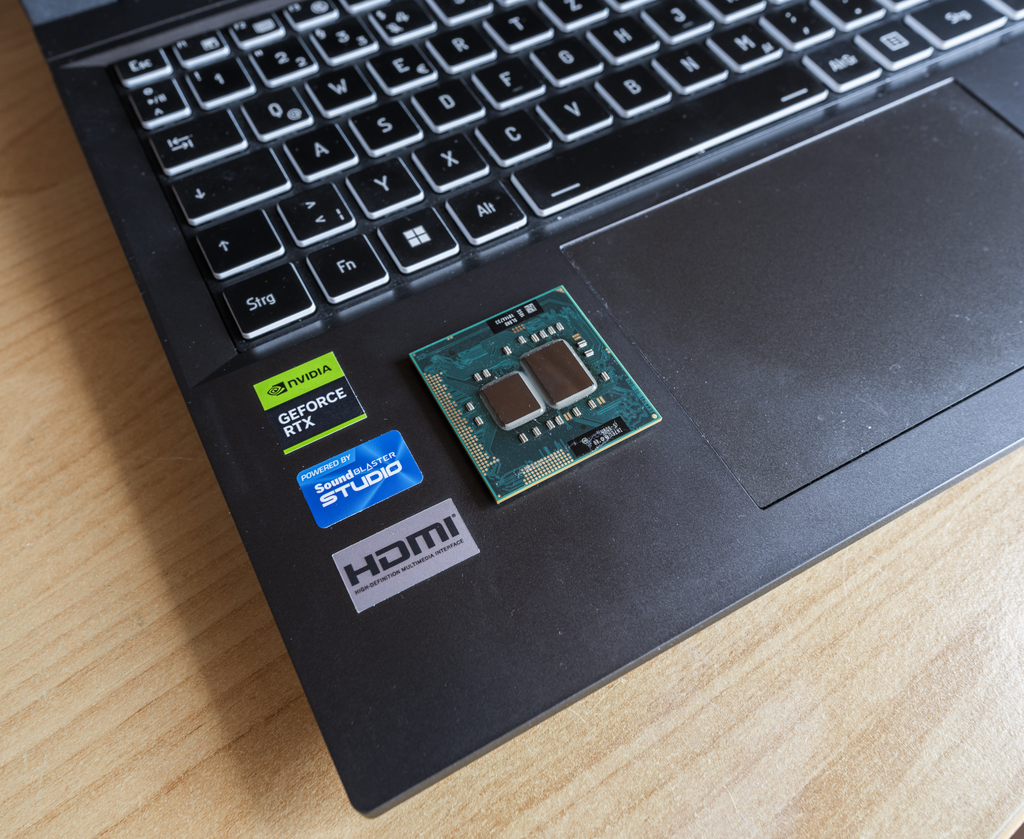
This tiny chip is responsible for everything from opening an app to playing a video. It performs calculations, makes decisions, and manages the flow of information throughout the system. Without a processor, a computing device would just be a collection of inactive parts.
Inside the Processor
A processor isn't a single, simple component. It's made up of several key parts that work together. Let's look at the three most important ones.
First is the Arithmetic Logic Unit (ALU). This is the processor's calculator. It handles all the math (addition, subtraction) and logic (like comparing if one number is greater than another). Whenever a program needs to compute something, the ALU does the heavy lifting.
Next, the Control Unit (CU) acts as the director or traffic cop. It fetches instructions from the computer's memory and decodes them, telling the other parts of the processor what to do and when. It doesn't perform calculations itself but ensures that all operations happen in the correct order.
Finally, registers are small, super-fast storage areas right inside the processor. They hold the data that the ALU is currently working on. Because they are so close to the ALU and CU, accessing data from registers is much faster than fetching it from the main computer memory (RAM).
Different Tools for Different Tasks
Not all processors are built the same way. The two most common types you'll encounter are Central Processing Units (CPUs) and Graphics Processing Units (GPUs). While they both process information, they are designed for very different kinds of tasks.
A CPU is like a master chef who can cook a few complex, gourmet meals perfectly. A GPU is like an entire kitchen staff that can make thousands of simple burgers at the same time.
A CPU is the general-purpose workhorse of a computer. It has a few very powerful cores designed to handle a wide variety of tasks one after another, very quickly. It's great for things that require complex logic and sequential steps, like running an operating system or a web browser.
A GPU, on the other hand, is a specialized processor. It has thousands of smaller, simpler cores that work in parallel. This design makes it incredibly efficient at handling a single, repetitive task that can be broken down into many small pieces. Originally designed for rendering graphics in video games, GPUs are now also used for tasks like scientific computing and artificial intelligence.
| Feature | CPU (Central Processing Unit) | GPU (Graphics Processing Unit) |
|---|---|---|
| Core Design | Few powerful, complex cores | Thousands of simpler cores |
| Task Handling | Serial (one after another) & complex | Parallel (many at once) & simple |
| Best For | General computing, OS, single-thread tasks | Graphics, AI, repetitive calculations |
Understanding this basic difference is key. CPUs provide the versatility needed for everyday computing, while GPUs provide the massive parallel processing power required for specialized, data-intensive jobs. Many modern devices use both, letting each type of processor handle the tasks it's best suited for.
What is the primary role of a processor in a computing device?
Which component of a processor is responsible for performing mathematical calculations like addition and subtraction?