Argument Analysis and Truth Determination
Introduction to Critical Thinking
What is Critical Thinking?
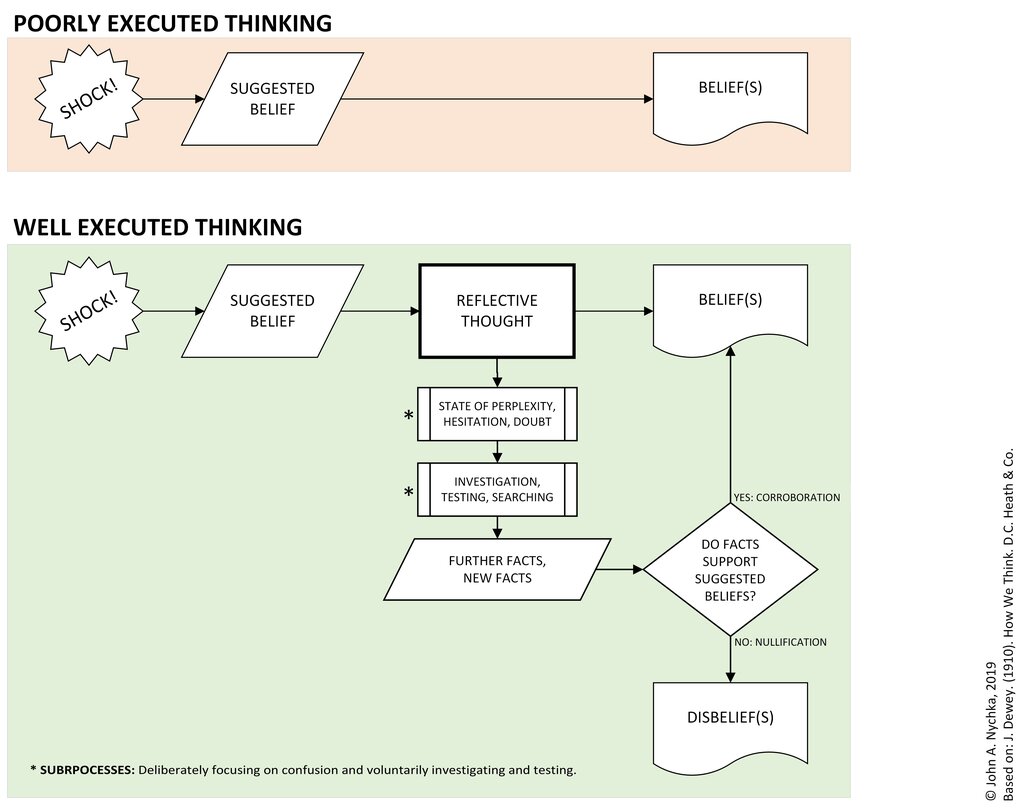
Thinking is something we do constantly, but not all thinking is the same. Critical thinking is the process of carefully and deliberately evaluating information. Instead of just accepting ideas at face value, a critical thinker asks questions, looks for evidence, and considers different viewpoints before forming a judgment.
It’s not about finding fault. It’s about seeking clarity and making well-reasoned decisions.
Think of it like being a detective for ideas. When a detective arrives at a crime scene, they don't just accept the first story they hear. They look for clues, question witnesses, and piece together the evidence to figure out what really happened. Critical thinking applies that same investigative mindset to the information you encounter every day, whether you're reading an article, listening to a sales pitch, or making a major life choice.
Why It Matters
We make hundreds of decisions daily, from what to eat for lunch to which career path to pursue. Without critical thinking, our choices can be guided by habit, emotion, or someone else's opinion. Developing this skill empowers you to take control of your own thought processes.
By thinking critically, you can:
- Solve problems more effectively. You'll get better at identifying the root of an issue and finding logical, creative solutions.
- Communicate more clearly. Understanding your own reasoning helps you express your ideas persuasively to others.
- Avoid being misled. In a world full of information (and misinformation), critical thinking is your best tool for spotting weak arguments and false claims.
- Foster independence. You learn to rely on your own judgment, building confidence in your ability to navigate complex situations.
Different Ways of Thinking
To better understand critical thinking, it helps to compare it with other modes of thought we often use.
Mechanical Thinking is like running on autopilot. It involves following routines, rules, or memorized steps without much conscious thought. Assembling furniture by following instructions word-for-word is a form of mechanical thinking. It's efficient for simple, repetitive tasks but isn't helpful for new or complex problems.
Emotional Thinking is driven by feelings, intuition, and gut reactions. It's the immediate response you have to a situation, like feeling a surge of excitement from a flashy advertisement or a sense of unease from a news headline. While emotions are a vital part of being human, relying on them alone can lead to impulsive and biased decisions.
Critical thinking integrates the useful parts of these other modes. It uses logic to evaluate the steps you might take mechanically and to analyze the feelings that arise from emotional thinking. It’s a more active, intentional process.
| Feature | Critical Thinking | Mechanical Thinking | Emotional Thinking |
|---|---|---|---|
| Basis | Reason, evidence | Rote, procedure | Feelings, intuition |
| Goal | Deeper understanding | Task completion | Immediate satisfaction |
| Process | Active, questioning | Passive, accepting | Reactive, impulsive |
By learning to engage in critical thinking, you can avoid common logic traps and unhelpful thought patterns, allowing you to make choices that are more aligned with your goals.