Argentine Tango Essentials
Origins and Evolution
The Birth of Tango
Argentine Tango wasn't born in a grand ballroom. Its story begins in the late 19th century in the bustling port-side neighborhoods of Buenos Aires. The city was a melting pot, swelling with European immigrants, primarily from Italy and Spain, alongside descendants of African people and the local criollo population.
This mix of cultures, languages, and longings created a unique social environment. In the crowded tenements, bars, and brothels of areas like La Boca and San Telmo, a new form of expression emerged. It blended the African candombe rhythm, the Cuban habanera, the Argentine milonga, and melodies from European waltzes and polkas. This was the raw, emotional beginning of tango.
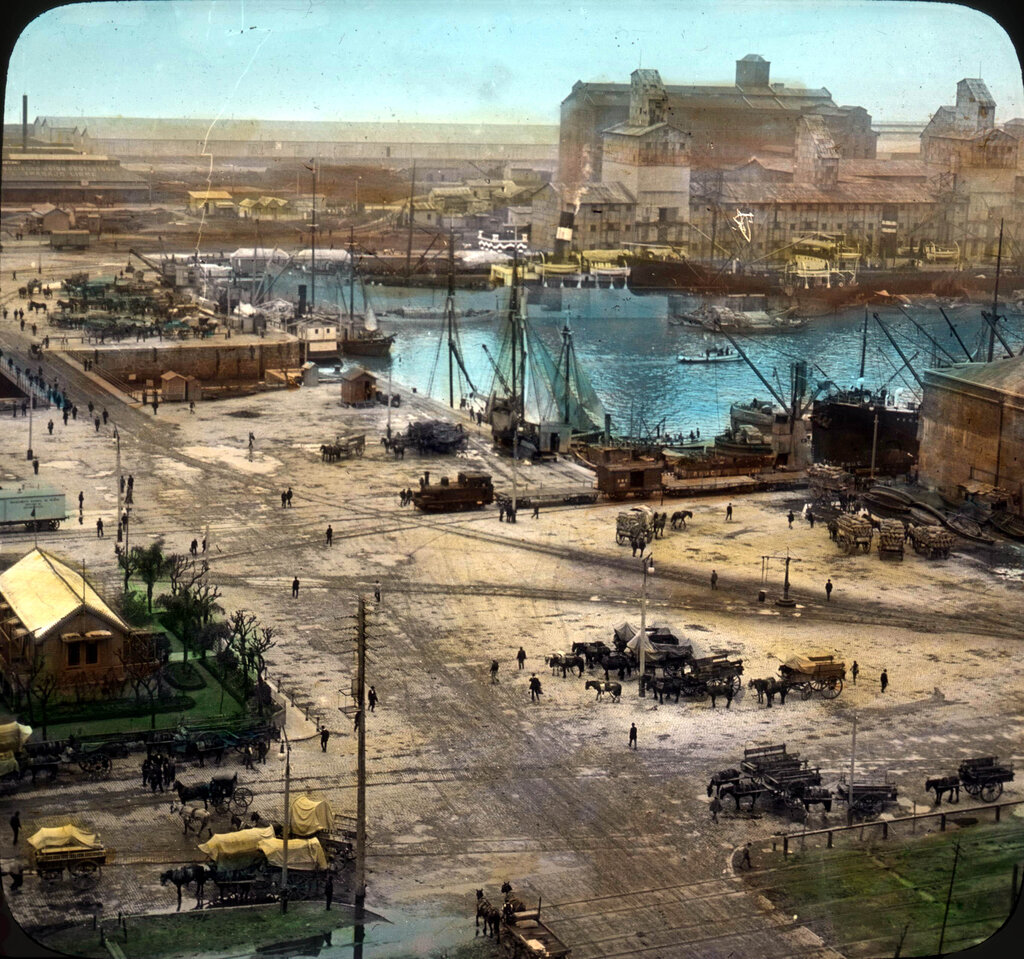
Initially, tango was a dance of the lower classes, viewed with suspicion by Argentina's elite. It was a dance of lonely men, expressing their frustrations and nostalgia for the homes they'd left behind. The lyrics often spoke of betrayal, lost love, and the struggles of daily life.
From the Outskirts to the Ballroom
Tango's journey from the margins to the mainstream was an international affair. In the early 1900s, wealthy young Argentinians traveling abroad brought the dance to Paris. The French high society was instantly captivated by its passion and drama. This European seal of approval changed everything.
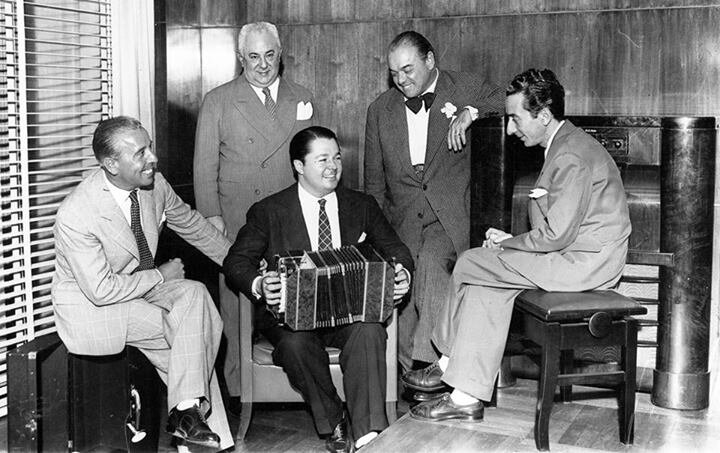
When tango returned to Buenos Aires, it was no longer a dance of the slums. It was a national treasure, embraced by all social classes. This led to the Golden Age of Tango, roughly from the 1930s to the 1950s. Grand orchestras led by figures like Juan D'Arienzo and Aníbal Troilo filled dance halls, and singers became national icons.
Criollo
noun
A person of Spanish or other European descent born in the Americas.
No figure is more synonymous with this era than Carlos Gardel. A charismatic singer and actor, Gardel became the international face of tango. His films and recordings spread the music across the globe, cementing its status as a symbol of Argentine culture.
Decline and Resurgence
The Golden Age couldn't last forever. Political turmoil in Argentina, including a series of military dictatorships starting in the mid-1950s, pushed tango into a period of decline. Public gatherings were often discouraged, and new musical styles like rock and roll captured the youth's attention. For decades, tango survived mostly in the hearts of an older generation.
The revival came in the 1980s, after the end of the military regime. A stage show called Tango Argentino premiered in Paris and became a surprise international hit. It showcased the dance's raw authenticity and passion to a new global audience. The show's success sparked a worldwide tango renaissance.
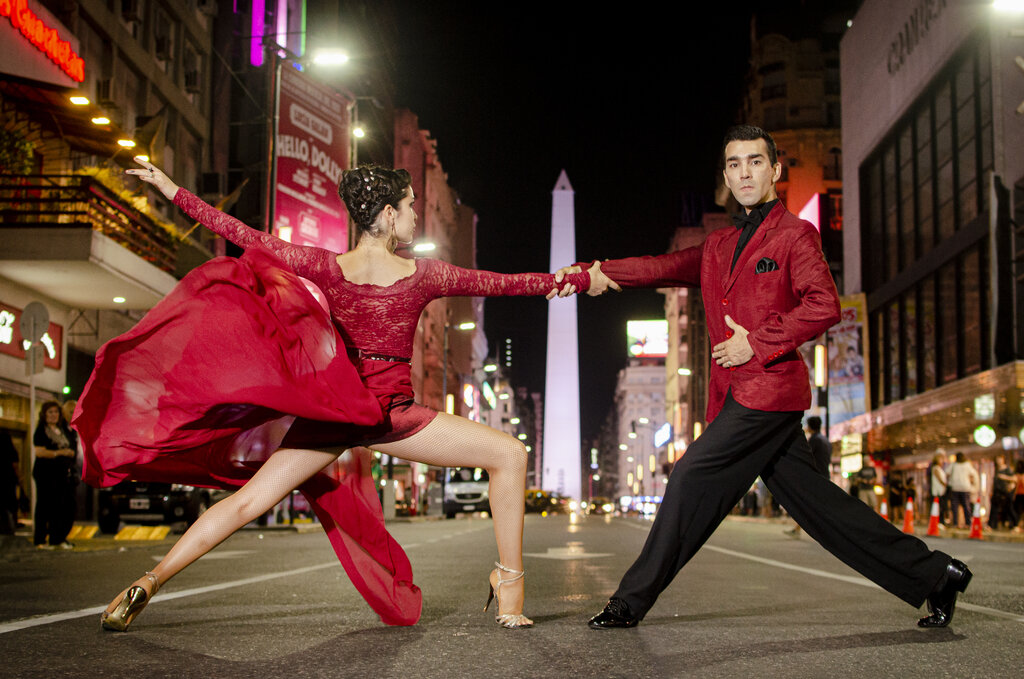
Dancers and enthusiasts from around the world flocked to Buenos Aires to learn from the old masters. This new wave of interest breathed life back into the dance, not just abroad but in Argentina itself. Today, tango is a global phenomenon, danced in milongas (tango dance halls) from Tokyo to Berlin, a living testament to its complex and passionate history.
Ready to test your knowledge?
In which city's port-side neighborhoods did Tango first emerge in the late 19th century?
True or False: Argentine Tango was immediately embraced by all social classes in Argentina upon its creation.
From its humble beginnings to its global fame, tango's journey reflects the story of Argentina itself—a tale of struggle, passion, and enduring identity.