Architecture of Indian Parliamentary Democracy
Bicameral Dynamics
The Two Houses of Sansad
The Indian Parliament, or Sansad, is the supreme legislative body of the country. It's bicameral, meaning it has two houses: the Lok Sabha (House of the People) and the Rajya Sabha (Council of States). This isn't just for show. The two-house structure creates a system of checks and balances, ensuring laws are debated thoroughly before they affect the lives of over a billion people. The Lok Sabha represents the direct will of the citizens, while the Rajya Sabha represents the interests of the states and union territories, creating a dynamic balance between popular will and federal character.
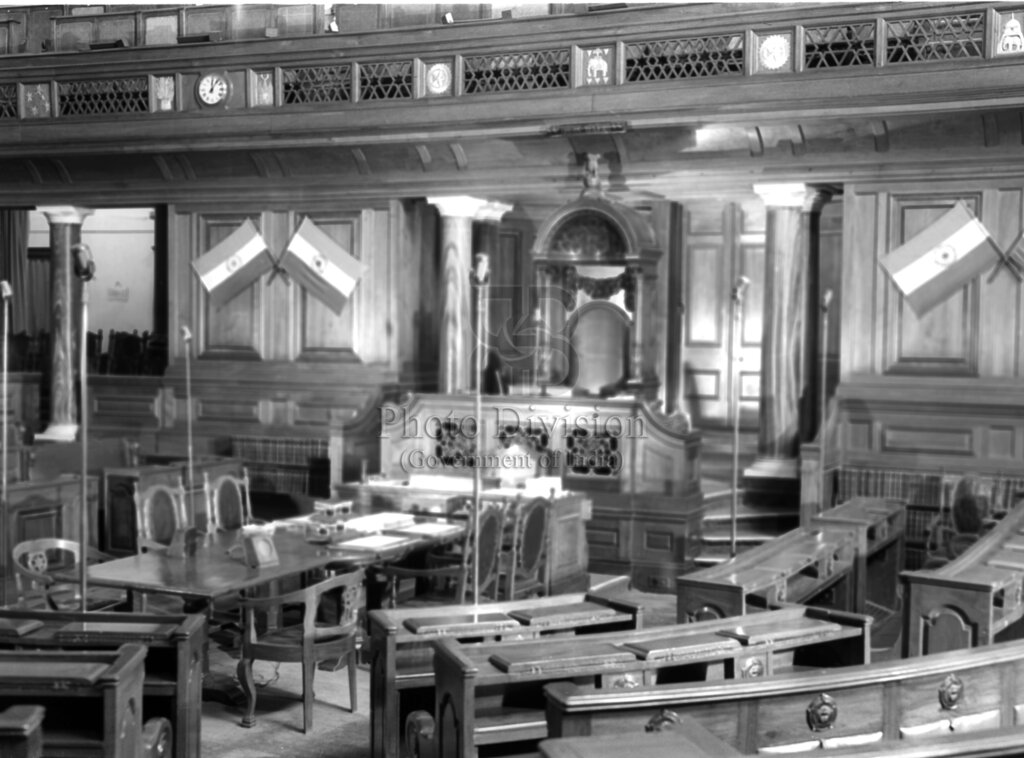
Lok Sabha's Financial Command
The Lok Sabha holds a superior position in the Indian parliamentary system, primarily because its members are directly elected by the people. This direct mandate gives it the final say on many matters, especially those concerning money. The Constitution grants the Lok Sabha exclusive powers over financial legislation.
A Money Bill, as defined under Article 110 of the Constitution, can only be introduced in the Lok Sabha. Once passed, it is sent to the Rajya Sabha, which can only make recommendations, not amendments. The Rajya Sabha must return the bill within 14 days. If it fails to do so, or if the Lok Sabha rejects its recommendations, the bill is considered passed by both houses. This provision ensures that the government, which is responsible to the Lok Sabha, has control over the country's finances without undue delay from the upper house.
The power of the purse rests firmly with the Lok Sabha. This ensures that the government, which is directly accountable to the people, controls the nation's finances.
Furthermore, the Council of Ministers is collectively responsible only to the Lok Sabha. A No-Confidence Motion, which can force the government to resign, can only be introduced and passed in the Lok Sabha. This makes the lower house the ultimate authority in determining whether a government stays in power.
Rajya Sabha's Special Powers
While the Lok Sabha has financial supremacy, the Rajya Sabha is not merely a rubber stamp. As the Council of States, it has unique powers to protect the interests of the states. It is a permanent body, not subject to dissolution, with one-third of its members retiring every two years. This continuity provides stability and a long-term perspective to lawmaking.
The Constitution grants the Rajya Sabha some exclusive powers. Under Article 249, if the Rajya Sabha passes a resolution with a two-thirds majority, it can empower Parliament to make laws on a subject in the State List in the national interest. This is a significant power that directly impacts the federal balance.
Another special power comes from Article 312. The Rajya Sabha can, with a two-thirds majority, authorise Parliament to create new common to both the Union and the states. This power reinforces its role as a guardian of the state's interests within the federal structure. Additionally, a resolution to remove the Vice-President of India (who is also the ex-officio Chairman of the Rajya Sabha) can only originate in the Rajya Sabha, as per Article 67.
When the Houses Disagree
What happens when the two houses can't agree on a regular bill? The Indian Constitution provides a mechanism to resolve such legislative deadlocks: a joint sitting of both houses, provisioned under . The President can summon a joint sitting if a bill passed by one house is rejected by the other, or if more than six months pass without the other house acting on it.
However, a joint sitting is not an option for Money Bills or Constitutional Amendment Bills. In a joint sitting, decisions are made by a simple majority of the total members present and voting. Because the Lok Sabha has nearly double the members of the Rajya Sabha (543 to 245), the will of the Lok Sabha almost always prevails in such a session. This arrangement tilts the balance of power in favour of the directly elected house, even when resolving disagreements.
This bicameral system, with its distinct powers and resolution mechanisms, is a deliberate design. It balances the direct democratic representation of the Lok Sabha with the federal representation of the Rajya Sabha, aiming for legislation that is both responsive to the people and mindful of state interests.
What is the primary reason for the Lok Sabha's dominant position in the Indian parliamentary system?
A Money Bill, as defined under Article 110, is passed by the Lok Sabha and sent to the Rajya Sabha. What is the maximum period the Rajya Sabha can take to return the bill?
Understanding the dynamic interplay between the Lok Sabha and Rajya Sabha is key to understanding how laws are made and how power is balanced in India's vibrant democracy.