Architectural Design of the Human Brain
System Architecture Overview
The Brain's Architecture
The human brain isn't just a collection of parts; it's a sophisticated system engineered by evolution. To understand it, we can analyse it like a biological machine, focusing on its hierarchical design and modularity. This approach reveals how distinct anatomical regions function as integrated processing units, working together to create thought, feeling, and action.
Think of the central nervous system as a company's organisational chart. At the top, you have large departments responsible for major functions like sensation, movement, and cognition. Within each department are specialised teams, and within those teams are individuals, the neurons. This hierarchical modularity allows for both specialised processing at a local level and integrated function across the entire system. Information is processed at lower levels before being passed up the chain for more complex integration. This structure is incredibly efficient, preventing every small decision from needing top-level approval.
Wiring and Power
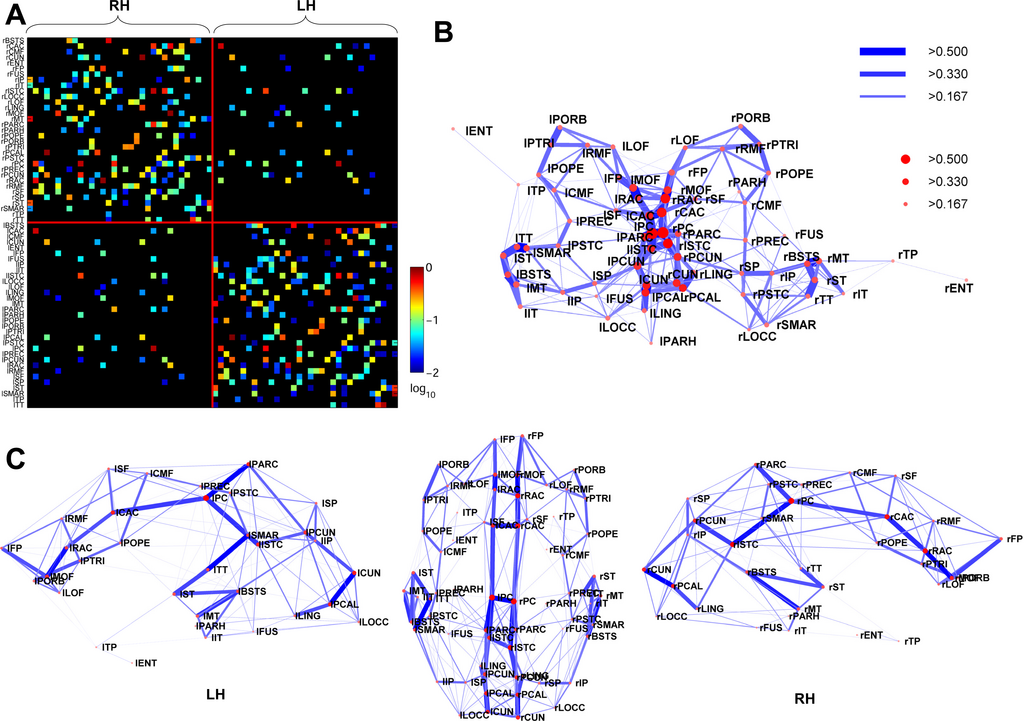
If the brain is a machine, its wiring diagram is the —a complete map of all neural connections. This map reveals the brain's structural connectivity, the physical pathways (axons) that link different regions. It’s like the physical wiring in a computer, laying out all possible routes for data to travel.
However, just because two regions are physically connected doesn't mean they are always communicating. This is where functional connectivity comes in. It describes which brain regions are active together at the same time, revealing networks that cooperate to perform a task. A functional network is like a team assembled for a specific project; its members are defined by their collaborative activity, not just their physical proximity.
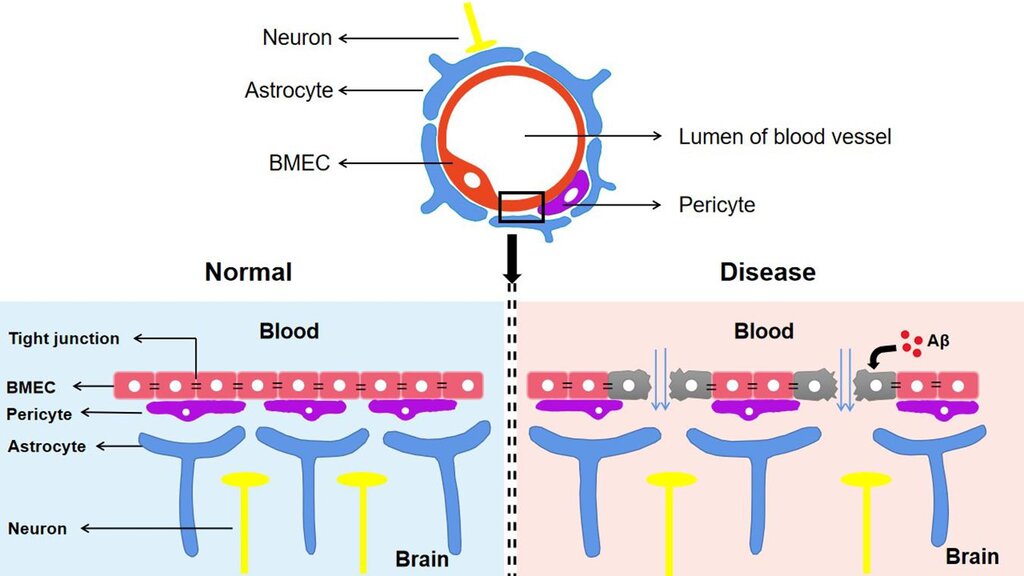
This high-bandwidth computation comes at a steep metabolic cost. The brain accounts for about 2% of your body weight but consumes around 20% of your total energy. To manage this demand, it relies on a highly regulated supply chain: the blood-brain barrier. This isn't a physical wall, but a tightly controlled gateway formed by the cells lining the brain's blood vessels. It allows essential nutrients like glucose and oxygen to pass through while blocking toxins and pathogens, ensuring the brain's sensitive environment remains stable.
An Optimised Design
The brain's architecture is a marvel of evolutionary optimisation. Its physical layout isn't random; it's designed to facilitate rapid information transfer while minimising energy expenditure and wiring length. This has led to a fundamental trade-off between localised specialisation and global integration.
Specialised modules, like those for vision or language, are densely connected internally, allowing for fast, efficient processing of specific information. However, for complex cognition, these specialised modules must integrate their information. This requires longer-range connections that are metabolically expensive to build and maintain. Evolution has found a balance, creating a 'small-world' network architecture.
Small-world network
noun
A type of network that is highly clustered locally, like a regular grid, yet has short path lengths between any two nodes, like a random network. This design allows for both efficient local processing and rapid global communication.
This design principle is a key aspect of brain scaling. As brains evolved to become larger, simply making every part bigger wasn't feasible due to the massive increase in wiring and energy costs. Instead, evolution favoured a design with highly connected hubs and specialised local circuits. This architecture provides resilience; if one pathway is damaged, information can often be rerouted through other connections, preserving function. It's a system built for both high performance and robust reliability.
Time to check your understanding of the brain's architecture.
What is the primary advantage of the brain's hierarchical modularity?
The term 'connectome' is best described as the brain's:
By viewing the brain through the lens of systems engineering, we can appreciate the elegant solutions evolution has found to balance computational power, energy efficiency, and resilience.