Architects of the Modern World
Late Antiquity Power Shifts
The Centre Cannot Hold
The sheer size of the Roman Empire became its greatest weakness. By the 3rd century, administering a territory stretching from Britain to Mesopotamia from a single capital was no longer practical. Emperors found themselves constantly rushing to quell rebellions or repel invaders on far-flung frontiers. The solution was decentralisation.
Emperor Diocletian's division of the empire into a in 293 AD was a radical, pragmatic admission that one man could no longer rule the whole thing. This split, initially administrative, deepened over the next century, eventually leading to a permanent division between the Western and Eastern Roman Empires in 395 AD. While the East, with its capital at Constantinople, would thrive for another thousand years as the Byzantine Empire, the West began to fragment. Central authority withered, and power devolved to provincial governors, military commanders, and wealthy landowners.
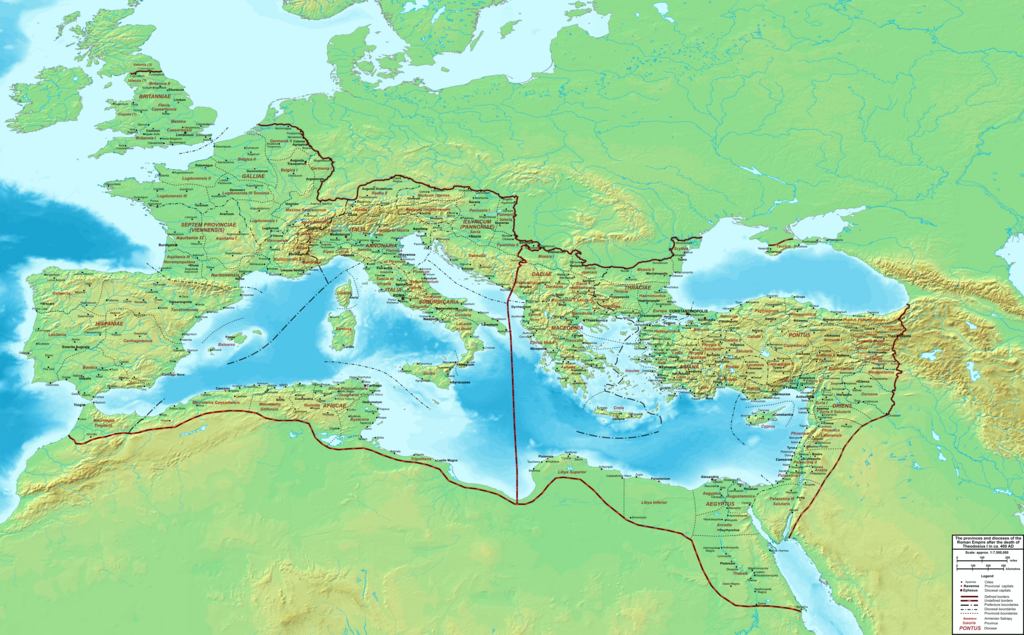
This political fragmentation had profound economic consequences. With central tax collection faltering and long-distance trade routes becoming less secure, the grand, interconnected economy of the early empire broke down. Large estates, known as latifundia, had to become self-sufficient. This shift laid the groundwork for a new socio-economic system.
Instead of relying on slave labour imported from distant conquests, landowners began binding tenant farmers, or coloni, to the land through hereditary arrangements. These farmers worked small plots for their own subsistence and owed labour and produce to the lord in exchange for protection. This system, a precursor to feudalism, was the birth of —an economy organised around the self-contained agricultural estate, or manor.
New Powers in the East
As Rome's western half decentralised, powerful, centralised states were consolidating their power elsewhere. In Persia, the Sassanid Empire emerged in 224 AD, overthrowing the Parthians and establishing a formidable rival to Rome in the East. The Sassanids revitalised Zoroastrianism as a state religion and created a highly efficient, centralised bureaucracy.
For centuries, the Byzantine and Sassanid Empires were locked in a superpower struggle. They fought over control of Mesopotamia, Armenia, and the lucrative Silk Road trade routes. This rivalry was not just military; it was also ideological, pitting Roman Christianity against Sassanid Zoroastrianism. The constant warfare exhausted both empires, leaving them vulnerable to the rise of Islam in the 7th century.
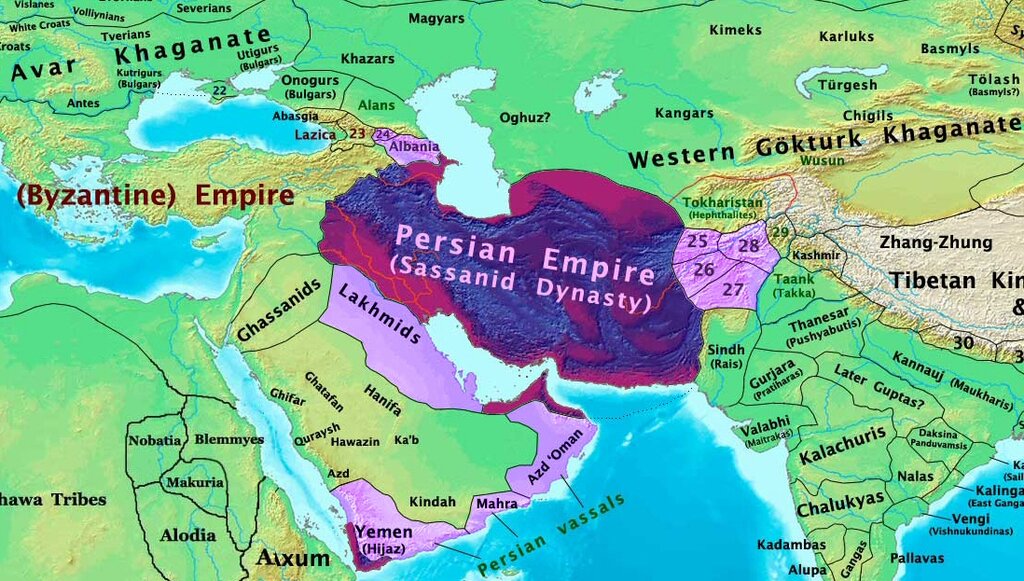
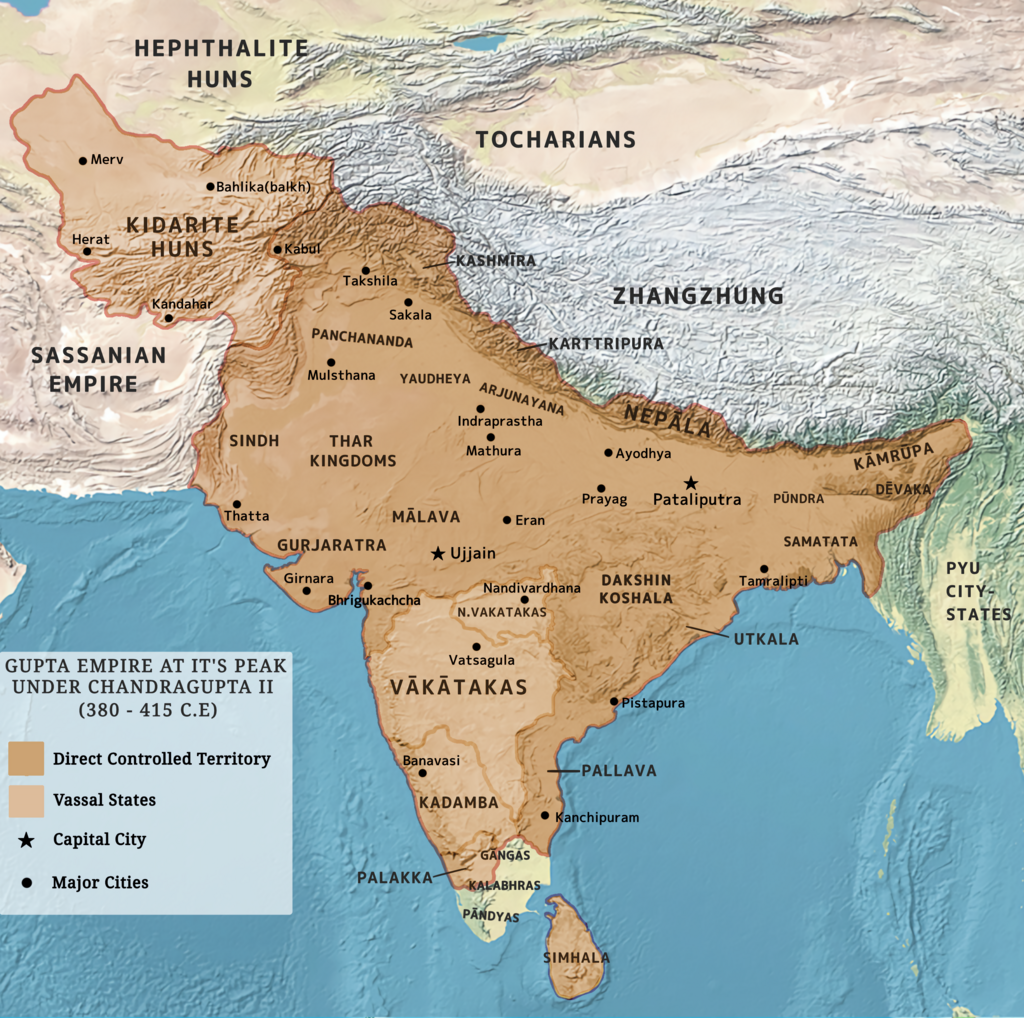
Further east, another great power was flourishing. The Gupta Empire, which controlled most of the Indian subcontinent from the 4th to the 6th centuries, oversaw a period of extraordinary cultural and scientific achievement often called India's Golden Age.
The Gupta administration was a clever mix of direct central control and local autonomy. The core territories were ruled directly by the emperor and his ministers, but conquered kingdoms were often allowed to continue as tributary states. This decentralised model allowed them to govern a vast and diverse region effectively. Local councils, representing guilds, merchants, and artisans, managed civic affairs, a testament to a sophisticated system of governance.
The Rise of Faith
Back in the crumbling Western Roman Empire, the decay of imperial administration created a power vacuum. Into this void stepped the Christian Church. As secular authority disappeared, bishops and other church leaders became the de facto governors of cities and regions.
They organised food distribution, administered justice, and negotiated with barbarian leaders. The Church was the only institution that retained its structure, literacy, and administrative capacity from the old empire. Its network of dioceses, modelled on Roman administrative divisions, provided a ready-made framework for governance. Ecclesiastical leaders like Pope Leo I, who famously persuaded Attila the Hun to spare Rome in 452, wielded immense political power.
This fusion of religious and political authority defined the European Middle Ages. Land ownership became concentrated in the hands of the Church, making it a major economic and political player. Kings and lords sought the Church's blessing to legitimise their rule, establishing a complex relationship between spiritual and temporal power that would shape the continent's history.
Now let's test your knowledge of these shifting powers.
What was the primary reason for the decentralisation of the Roman Empire, leading to reforms like the Tetrarchy?
The economic system that arose in the late Western Roman Empire, based on self-sufficient agricultural estates where tenant farmers (coloni) were tied to the land, is known as ______.
Finally, let's review the key terms from this period.
The period of Late Antiquity was not simply an end, but a complex transformation. The decentralisation in the West and consolidation in the East created new political, economic, and religious structures that formed the foundations of the medieval world and continue to influence geopolitical boundaries today.