Architecting the Global Internet
TCP/IP Protocol Suite
The Internet's Rulebook
The internet feels seamless, but underneath the surface, it's a bustling system governed by a strict set of rules. This rulebook is the TCP/IP protocol suite, a four-layer model that ensures a video from a server in Mumbai can reach your phone in Delhi without a single pixel out of place. Think of it as a digital postal service.
At its heart are two main protocols: the Transmission Control Protocol (TCP) and the Internet Protocol (IP). TCP is like the meticulous postal worker who packages your item, numbers the boxes, and gets a signature on delivery. IP is the logistics expert who puts the address on the box and figures out the best route through cities and towns.
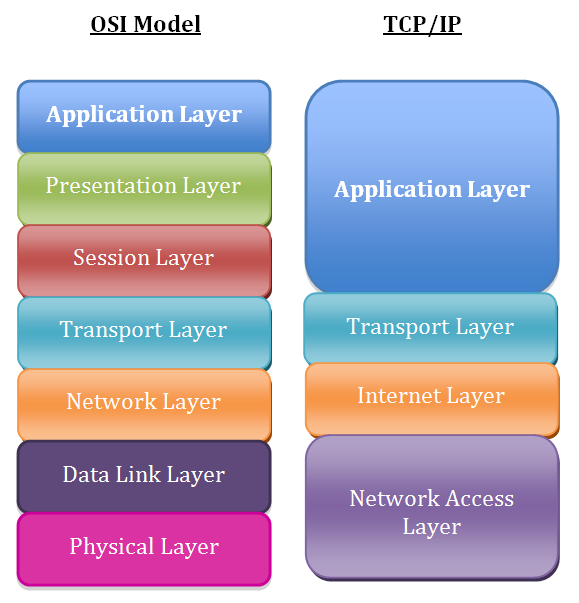
Together, they work through the model's four layers: Application, Transport, Internet, and Network Access. Each layer has a specific job, wrapping the data in the information it needs to make the journey from sender to receiver. This process of adding information at each layer is called encapsulation.
Wrapping and Unwrapping Data
When you send an email, the data doesn't just fly across the internet as one giant block. It's broken down into smaller, manageable pieces. Encapsulation is the process of wrapping these pieces in layers of instructions, much like nesting dolls.
- Application Layer: Your email client (the application) creates the data.
- Transport Layer: TCP takes this data, chops it into segments, and adds a header to each. This TCP header includes details like port numbers, which act like apartment numbers to ensure the data gets to the right application (e.g., your email client, not your web browser).
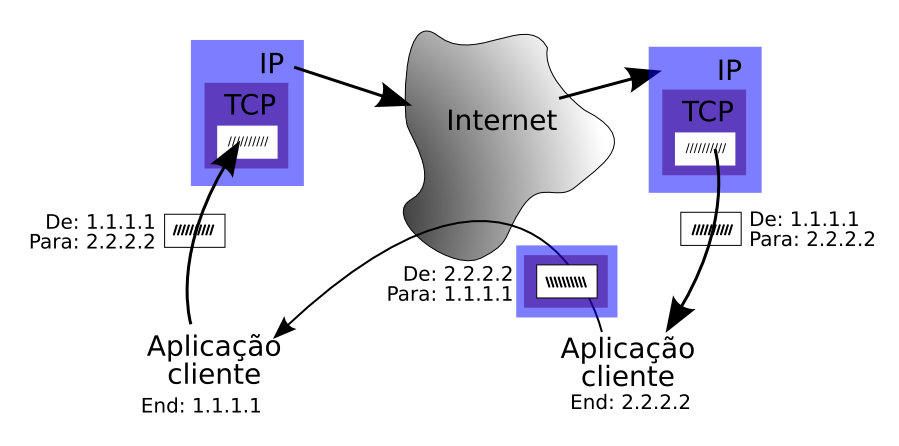
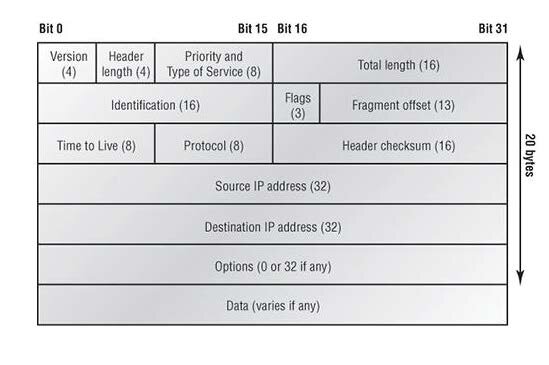
- Internet Layer: The IP protocol takes each TCP segment and wraps it in another header, creating an IP packet. This IP header contains the source and destination IP addresses—the digital street addresses for the sending and receiving computers.
- Network Access Layer: Finally, the packet is placed into a frame, which includes physical address information (like a MAC address) needed to move the data across the local network.
When the data arrives at its destination, this process happens in reverse. Each layer strips off its corresponding header, unwrapping the data until the original email is reassembled for the recipient. This is called decapsulation.
The Handshake Agreement
Before any data is actually sent, TCP needs to establish a reliable connection. It can't just start throwing packets into the void and hope for the best. It performs a procedure called the three-way handshake to ensure both the sender and receiver are ready to communicate.
Imagine a phone call:
- SYN: You dial a number and say, "Hello, can you hear me?" This is the synchronisation packet (SYN).
- SYN-ACK: The person on the other end replies, "Yes, I can hear you. Can you hear me?" This is the synchronisation-acknowledgement packet (SYN-ACK).
- ACK: You confirm, "Yes, I can hear you too." This is the final acknowledgement packet (ACK).
Once the handshake is complete, the connection is open, and data can start flowing. To keep things in order, TCP uses on every packet. The receiver uses these numbers to reassemble the data in the correct order and sends back acknowledgment numbers to confirm which packets it has received. If a packet gets lost, the sender notices a missing acknowledgment and re-sends the lost data. It's a robust system for ensuring no data is lost or corrupted.
Addresses, Routes, and Trade-offs
While TCP manages the reliability of the connection, IP handles the addressing and routing. Every device connected to the internet has a unique IP address. This address ensures packets are delivered to the correct destination, just like a home address ensures mail gets to the right house. Large networks are often broken down into smaller, more efficient networks through a process called This helps reduce traffic and improve security.
The main trade-off in this system is between reliability and speed. TCP, with its handshakes and acknowledgements, is incredibly reliable. It's perfect for things where data integrity is crucial, like file transfers, emails, and web browsing. You wouldn't want a single byte of your bank transfer to go missing.
But all that checking takes time. For applications like video streaming or online gaming, a tiny bit of data loss is acceptable if it means lower latency. A dropped frame in a video is barely noticeable, but a long delay is frustrating. For these cases, another protocol called UDP (User Datagram Protocol) is often used. UDP is TCP's carefree cousin; it just sends the data and doesn't worry about acknowledgements. It's fast, but not guaranteed.
| Feature | TCP (Transmission Control Protocol) | UDP (User Datagram Protocol) |
|---|---|---|
| Connection | Connection-oriented | Connectionless |
| Reliability | High (guaranteed delivery) | Low (best-effort delivery) |
| Speed | Slower | Faster |
| Overhead | High (handshakes, acks) | Low (minimal headers) |
| Use Case | Web, Email, File Transfer | Streaming, Gaming, VoIP |
Ready to test your knowledge on how the internet's protocols manage data from start to finish?
What is the process of adding headers and wrapping data as it moves down the layers of the TCP/IP model called?
Which layer of the TCP/IP model is responsible for adding the source and destination IP addresses, acting like a digital street address?
Understanding the TCP/IP suite reveals the elegant logic that powers our digital world. It's a system of checks and balances, addresses and routes, ensuring that data travels billions of kilometres reliably and efficiently.