Architecting the Core Research Narrative
Synthesizing Core Questions
From Gap to Goal
A graduate-level presentation isn't a simple report of what you did. It's a compelling story built around a single, powerful question. Your job is to make the audience understand not just your results, but why your question mattered in the first place. The starting point for this story is finding what's missing in your field: the knowledge gap., Annotations are a feature that will be coming soon!
Think of yourself as a detective arriving at a scene. The existing literature is the collection of witness statements and evidence that's already been gathered. Your first task is to survey all of it and find the one crucial piece of information that nobody has uncovered yet. This gap isn't just something that hasn't been studied; it's a void that, if filled, changes the understanding of the entire field.
Crafting the Core Question
Once you've identified the gap, you must frame it as a question. This can't be a vague inquiry. It must be a precise, overarching, and testable hypothesis., Annotations are a feature that will be coming soon! This hypothesis becomes the anchor for your entire narrative. It’s the promise you make to the audience at the beginning of your talk: by the end of these 12 minutes, you will have a satisfying answer to this specific, important question.
For an expert audience, this is best framed as a 'Problem-Solution' narrative. The 'Problem' is the knowledge gap and its implications. Why does this gap matter? What can't we do or understand because this piece of the puzzle is missing? The 'Solution' is your research, presented as a logical, step-by-step process that directly addresses the problem.
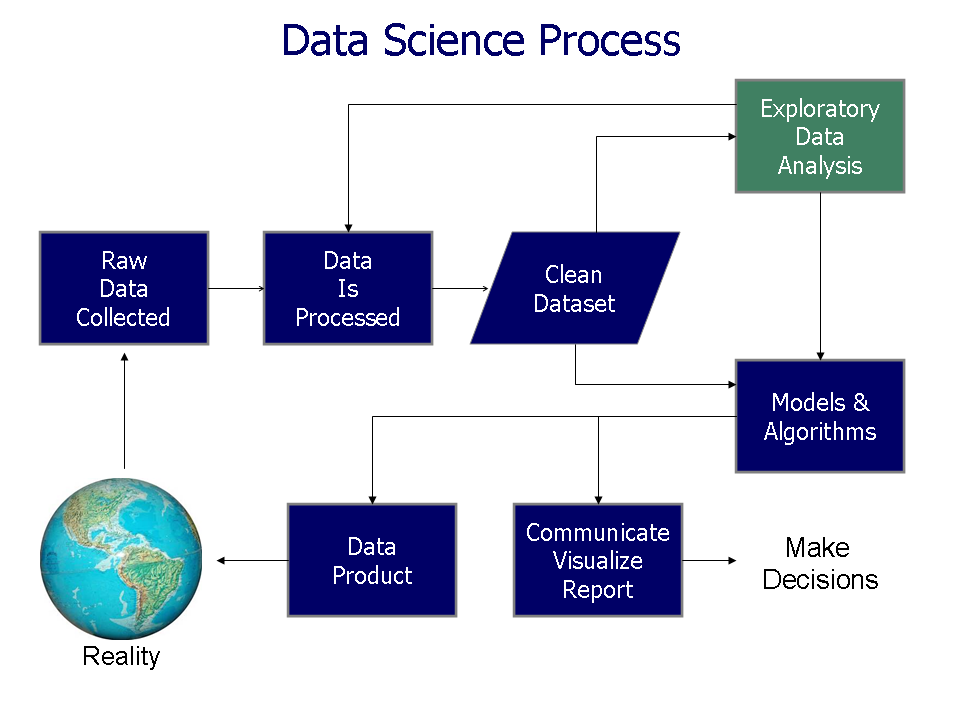
This structure immediately establishes the stakes. You’re not just presenting data; you’re telling the story of how you solved a critical problem that your peers will recognize and appreciate. Your high-level objectives—the key experiments or analyses you performed—become the plot points in this story. Each one should be a logical step toward the final answer.
Every experiment, every figure, and every slide must serve the purpose of answering your central research question. If it doesn't, it doesn't belong in your talk.
By mapping your key objectives directly to this core narrative, you create a talk that is focused, logical, and easy for an expert audience to follow. They understand the 'why' from the very beginning, which makes the 'how' and 'what' of your research far more impactful.
Time to check your understanding of these core concepts.
What is the primary function of a graduate-level presentation, according to the provided text?
What defines a 'knowledge gap' in the context of preparing a presentation?
This process ensures your presentation has a strong, logical foundation that grabs your audience's attention and clearly communicates the significance of your work.