Architecting the Amazon Ecosystem
The Flywheel Mechanism
The Flywheel Effect
At the heart of Amazon's ecosystem is a concept called the Flywheel. It's a self-reinforcing loop where each component drives the next, creating unstoppable momentum. The cycle begins with a commitment to offering the lowest possible prices.
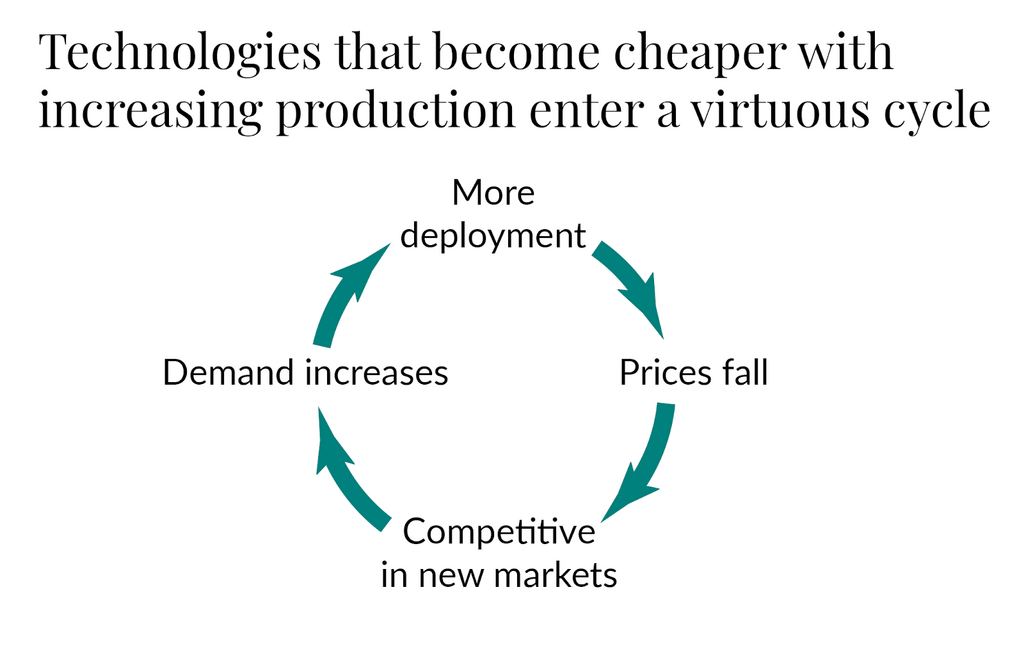
Lower prices attract more customer visits. More customers mean more potential sales, which in turn attracts third-party sellers to the platform. This influx of sellers dramatically increases the selection of products available. A wider selection, combined with convenience features like Prime shipping, enhances the customer experience. Satisfied customers return, driving more traffic, and the cycle repeats, spinning faster with each turn.
This virtuous cycle is not just a business school theory; it is the architectural engine of the company. A key element that makes it work is a relentless focus on improving the cost structure. By optimizing logistics, automating fulfillment centers, and achieving massive economies of scale, Amazon constantly lowers its operating costs. These savings are not primarily directed to profit margins. Instead, they are passed on to the consumer in the form of lower prices, which adds more energy to the flywheel.
Fueling the Flywheel
By 2025, the original retail flywheel is supercharged by two other massive, high-margin businesses: Amazon Web Services (AWS) and Advertising. These operations generate significant profits that are strategically reinvested back into the core retail business.
The capital from AWS and Ads allows Amazon to further lower its cost structure and subsidize ambitious projects that enhance the customer experience, like the massive investment in one-day shipping for Prime members. This isn't just about making retail more efficient; it's about making the entire ecosystem more compelling. The scale of AWS is a direct result of the data infrastructure built to run the retail side, just as the advertising business thrives on the immense customer traffic the flywheel generates. Each part feeds the others.
This strategy is guided by the company's famous "Day 1" philosophy. The idea is to operate with the same urgency and long-term vision as a startup on its first day. This means prioritizing long-term ecosystem health over short-term profitability reported in quarterly earnings. The goal isn't just to make a sale today, but to ensure the flywheel spins faster tomorrow, creating a more dominant and defensible market position for the long run.
To take advantage of the Flywheel effect, you should measure the metrics of your Amazon business for quantifying performance.
Let's check your understanding of how this powerful mechanism works.
What is the initial action that starts the Amazon Flywheel effect?
How do profits from businesses like AWS and Advertising primarily strengthen the core retail flywheel?
By continually reinvesting in each part of the cycle, Amazon ensures its growth engine not only keeps running but accelerates over time.