Archetypes of the King Warrior Magician Lover
Introduction to Archetypes
Universal Patterns
Have you ever noticed how some stories feel strangely familiar? A young hero from a small town is called on an adventure, guided by a wise old mentor, and faces a powerful villain. We see this pattern in ancient myths, classic novels, and blockbuster movies. These recurring characters and situations aren't a coincidence. They're archetypes.
Archetype
noun
A typical character, action, or situation that seems to represent universal patterns of human nature. An archetype, also known as a universal symbol, may be a character, a theme, a symbol, or even a setting.
The idea was popularized by Swiss psychiatrist Carl Jung in the early 20th century. Jung believed that all humans are born with a shared set of unconscious memories and ideas, which he called the collective unconscious. This isn't about our personal experiences; it's a kind of psychological inheritance that connects all of humanity. Archetypes are the images and symbols that emerge from this shared well of experience.
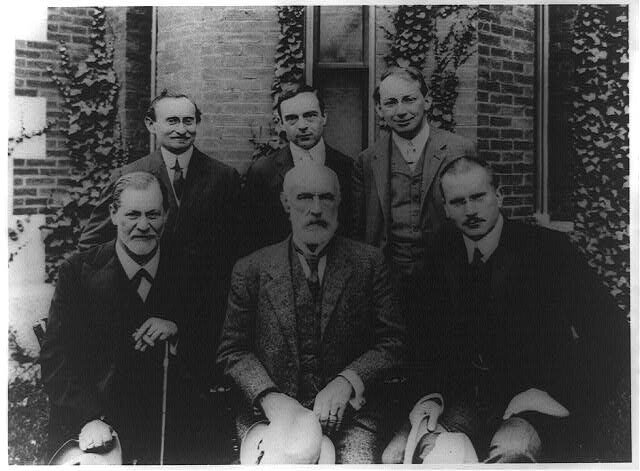
Think of the collective unconscious as a blueprint for the human psyche. It contains the basic patterns for emotions, behaviors, and relationships that have been repeated throughout history. These patterns show up in our dreams, myths, religions, and art. They are the building blocks of our stories because they represent fundamental human experiences.
Shared concepts, which Jung described as archetypes, permeate the collective unconscious and emerge as themes and characters in our dreams and surface in our culture - in myths, books, films and paintings, for example.
Archetypes in Action
Once you start looking for archetypes, you'll see them everywhere. They aren't rigid formulas but flexible frameworks that storytellers use to create characters and plots that feel meaningful. Some of the most common archetypes include:
| Archetype | Core Motivation |
|---|---|
| The Hero | To prove their worth through courageous acts |
| The Mentor | To guide the hero with wisdom and training |
| The Trickster | To create mischief and challenge the status quo |
| The Shadow | To represent the darker, repressed side of the psyche |
| The Sage | To seek truth and share knowledge |
These roles can be found across cultures and time periods. The Greek god Hermes, the Norse god Loki, and the Native American Coyote are all versions of the Trickster. This universality is what gives archetypes their power. They create an instant connection with the audience because we intuitively understand the character's role and motivations.
Why Archetypes Matter
Archetypes are more than just storytelling tools. For Jung, they were essential for psychological health. By recognizing the archetypal patterns in our own lives, we can better understand our motivations, fears, and desires. They provide a map to our inner world.
For example, we might recognize a 'Mentor' figure in a favorite teacher or a 'Shadow' aspect in our own unacknowledged anger or ambition. Engaging with these internal archetypes allows us to integrate different parts of ourselves, leading to greater self-awareness and personal growth.
Ultimately, archetypes reveal what it means to be human. They show us that despite our different cultures and experiences, we are all connected by the same fundamental stories and psychic structures. They are the echoes of our shared past, shaping our present and guiding our future.
According to Carl Jung, the concept that all humans are born with a shared set of unconscious memories and ideas is known as:
In a story, a character who provides guidance, wisdom, and training to the protagonist embodies which archetype?
Understanding these universal patterns is the first step toward exploring the deeper structures of the human psyche and the stories we tell.