Arabic Verb Tenses Past Present Imperative
Introduction to Arabic Verbs
The Heart of the Sentence
In English, you can form complete sentences without an action verb, like "The sky is blue." In Arabic, verbs are the engine of the language. They don't just describe actions; they form the foundation for a vast web of related words. Understanding verbs is the first major step toward understanding how Arabic works.
At the core of this system is the concept of a root, usually made of three consonants. This root carries a core meaning, and by adding vowels and other letters in specific patterns, you can create verbs, nouns, and adjectives—all related to that original idea.
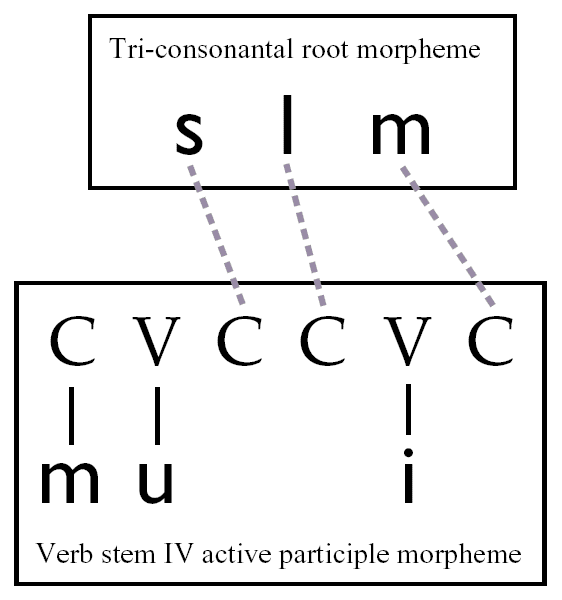
The Three Main Forms
For now, let's focus on the three most important verb forms. Each one tells you when an action happens.
The Past
This form is for actions that are finished and done. For example, 'akala' (أَكَلَ) means "he ate."
The Present
This covers actions happening now or actions that happen habitually. Ya'kulu (يَأْكُلُ) means "he eats" or "he is eating."
The Imperative
This is the command form, used when telling someone to do something. Kul (كُلْ) means "Eat!"
Roots and Patterns in Action
root
noun
The core consonants (usually three) of an Arabic word that hold its fundamental meaning.
Let's see how a single root can blossom into different words. We'll use the root k-t-b (ك-ت-ب), which is associated with writing.
By plugging the root letters into different vowel patterns, you create new meanings. It's like having a set of molds for your clay.
| Root Letters | Pattern | Resulting Word | Meaning |
|---|---|---|---|
| ك-ت-ب (k-t-b) | _a_a_a | كَتَبَ (kataba) | he wrote (past tense verb) |
| ك-ت-ب (k-t-b) | ya__u_u | يَكْتُبُ (yaktubu) | he writes (present tense verb) |
| ك-ت-ب (k-t-b) | i_ā | كِتَاب (kitāb) | book (noun) |
| ك-ت-ب (k-t-b) | ā_i | كَاتِب (kātib) | writer (noun) |
| ك-ت-ب (k-t-b) | ma__a_ | مَكْتَب (maktab) | office/desk (noun) |
Notice how the three root letters ك (k), ت (t), and ب (b) stay in the same order. Only the vowels and occasional extra letters change to create new, related words. This is one of the most elegant and powerful features of Arabic.
Changing for the Speaker
Arabic verbs also change, or conjugate, to show who is performing the action. The ending of a verb tells you about the subject's person (I, you, they), gender (masculine, feminine), and number (singular, plural).
You don't need to memorize these yet, but just see how the verb kataba ("he wrote") changes slightly to reflect a different subject:
- كَتَبَ (kataba) - he wrote
- كَتَبَتْ (katabat) - she wrote
- كَتَبْتُ (katabtu) - I wrote
- كَتَبُوا (katabū) - they wrote
This system of roots, patterns, and conjugations is the key that unlocks the entire language.
What is the primary function of a three-consonant root in Arabic?
The verb ya'kulu (يَأْكُلُ) means 'he is eating'. Which verb form does this represent?