Arabic Verb Conjugation
Arabic Verb Basics
The Heart of Arabic Verbs
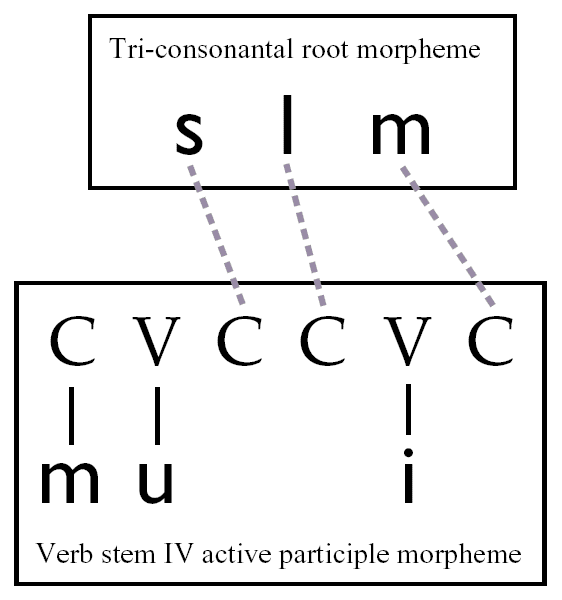
In Arabic, verbs are the engine of the sentence. Understanding them is key to unlocking the language. Nearly every Arabic verb is built from a three-letter root. Think of this root as the verb's DNA, carrying its core meaning.
For example, the root ك-ت-ب (k-t-b) holds the meaning of "to write." By adding different vowels and prefixes, you can create many related words: kataba (he wrote), yaktubu (he writes), kitāb (book), and maktab (office or desk).
This system of roots and patterns is one of the most powerful features of Arabic. Once you recognize a root, you can often guess the meaning of unfamiliar words. These roots are then shaped into verb stems, which form the basis for conjugation.
Two Sides of Time
Arabic verbs don't have a wide array of tenses like English does. Instead, they are mainly divided into two primary forms, or aspects, that describe the state of an action: whether it's completed or ongoing.
Perfect
other
The verb form indicating a completed action. It is often, but not always, translated as the past tense in English.
The Perfect tense, or الماضي (al-māḍī), describes an action that is finished. For our root k-t-b, كَتَبَ (kataba) means "he wrote." The action is done and in the past.
the past
Imperfect
other
The verb form indicating an incomplete, ongoing, or future action. It corresponds to the present and future tenses in English.
The Imperfect tense, or المضارع (al-muḍāriʿ), covers actions that are happening now or will happen in the future. Using our example root, يَكْتُبُ (yaktubu) can mean "he writes," "he is writing," or "he will write," depending on the context.
the present/future
| Tense | Meaning | Example (k-t-b) |
|---|---|---|
| Perfect (الماضي) | Completed action | كَتَبَ (kataba) - he wrote |
| Imperfect (المضارع) | Incomplete action | يَكْتُبُ (yaktubu) - he writes |
Setting the Mood
Beyond tense, Arabic verbs also have moods. Moods apply only to the Imperfect tense and add another layer of meaning, expressing the speaker's attitude or the purpose of the action. Think of them as the verb's tone of voice. There are four main moods.
Indicative (المرفوع): This is the default mood for stating facts. yaktubu - "he writes."
Subjunctive (المنصوب): This mood expresses potential, desire, or purpose. It's often used after words like 'that' or 'in order to.'
Jussive (المجزوم): This is the mood of command and prohibition, often translated as "let him..." or used in negative commands.
Imperative (الأمر): This is the direct command form, like "Write!" It's derived from the Jussive mood.
You don't need to memorize how to form these just yet. The key takeaway is that the ending of an Imperfect verb can change to show its mood, which subtly alters its meaning in a sentence. This system allows for precision and nuance.
Time to check your understanding of these core concepts.
What is the fundamental building block from which nearly every Arabic verb is derived?
Which verb form in Arabic is used to describe actions that are considered complete?
With the concepts of roots, the two main tenses, and moods, you now have the fundamental building blocks for understanding how Arabic verbs work.