Arabic Quranic Tafsir
Introduction to Tafsir
Understanding the Quran's Message
The Quran is the central religious text of Islam, believed by Muslims to be a revelation from God. While its verses offer guidance and wisdom, their meanings are not always immediately obvious. The language is poetic, the historical context is specific, and some passages are concise, leaving room for deeper exploration. This is where the discipline of Tafsir comes in.
Tafsir
noun
The science of explaining the Quran. It involves interpreting the verses to clarify their meanings, explain their context, and derive legal rulings and ethical principles.
At its core, Tafsir is the act of uncovering the intended meaning of the Quranic text. It's more than just a literal translation. A translator might tell you what a verse says in another language, but a work of Tafsir explains what it means. This involves examining the Arabic language, understanding the circumstances in which a verse was revealed, and connecting it to other parts of the Quran and the teachings of the Prophet Muhammad.
The primary goal of Tafsir is to bridge the gap between the divine word and human understanding, making the Quran's guidance accessible and applicable to every generation.
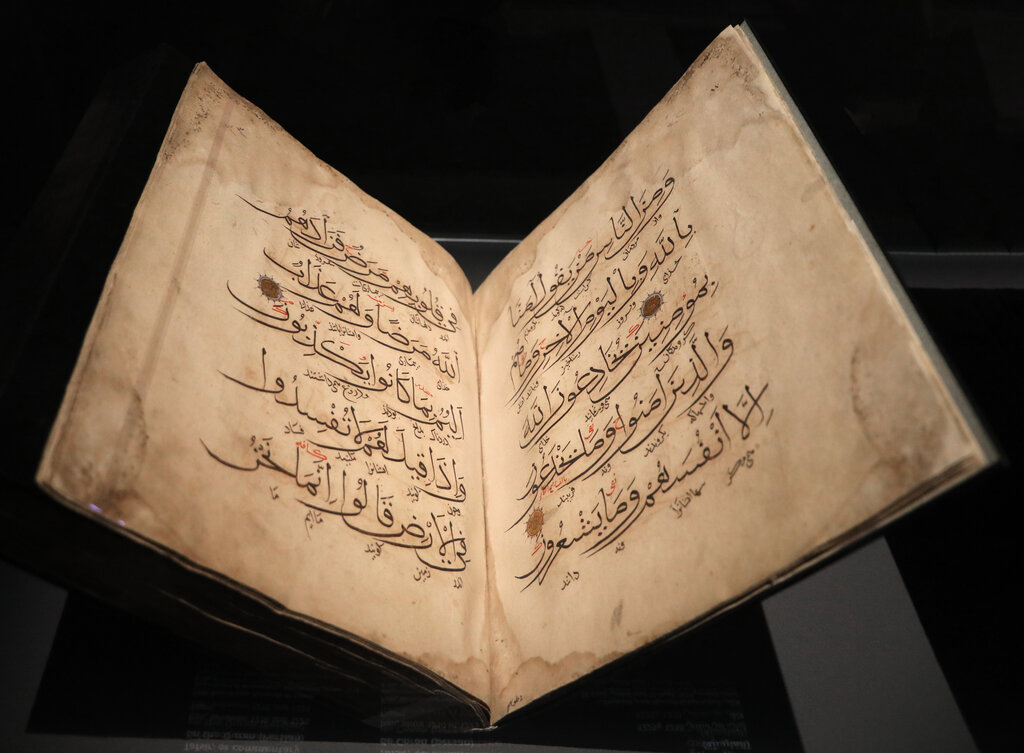
A Tradition of Interpretation
The need to interpret the Quran arose from the very beginning. The Prophet Muhammad himself was the first interpreter, explaining verses to his companions as they were revealed. When they encountered a difficult passage, they would ask him for clarification. After his death, his companions carried on this tradition, using their direct knowledge of his teachings and the context of the revelations to explain the Quran to the next generation of Muslims.
The science of tafsīr (exegesis of the Qur’an) was one of the earliest academic activities in Islam.
This early practice laid the foundation for a rich scholarly tradition. As Islam spread to new lands and cultures, the need for systematic interpretation grew. Scholars developed methodologies to ensure their explanations were grounded in evidence, not just personal opinion. This commitment to accuracy is crucial because a misinterpretation of the Quran can lead to incorrect beliefs and practices. Tafsir provides a framework for engaging with the text in a responsible and informed way.
Why It Matters
Without Tafsir, our understanding of the Quran would be shallow. We might grasp the surface-level meaning of a verse but miss the profound wisdom beneath. For example, a verse might seem to lay down a general rule, but the context of its revelation, known through Tafsir, could show that it applies to a very specific situation.
Ultimately, Tafsir is essential for deriving correct guidance from the Quran. It allows Muslims to understand the ethical principles, legal rulings, and spiritual insights of their sacred text and apply them to the complexities of their lives. It ensures that the Quran remains a living, relevant source of guidance for all time.
What is the primary goal of Tafsir?
The practice of interpreting the Quran began with the Prophet Muhammad himself.
This discipline is the first step toward a deeper relationship with the Quranic text, opening up layers of meaning that a simple reading might miss.