Aqara FP2 Presence Sensor Explained
Introduction to Aqara FP2
A New Kind of Smart Sensor
For a long time, smart home motion sensors have had a simple problem. They only detect motion. If you sit down to read a book or watch a movie, the sensor thinks the room is empty, and the lights might turn off. It's a common annoyance.
The Aqara FP2 is different. It's a presence sensor. Instead of just seeing movement, it can tell when a person is actually in a room, even if they're sitting perfectly still. This small device changes how smart homes can react to us, making them more intuitive and responsive.
Radar Vision
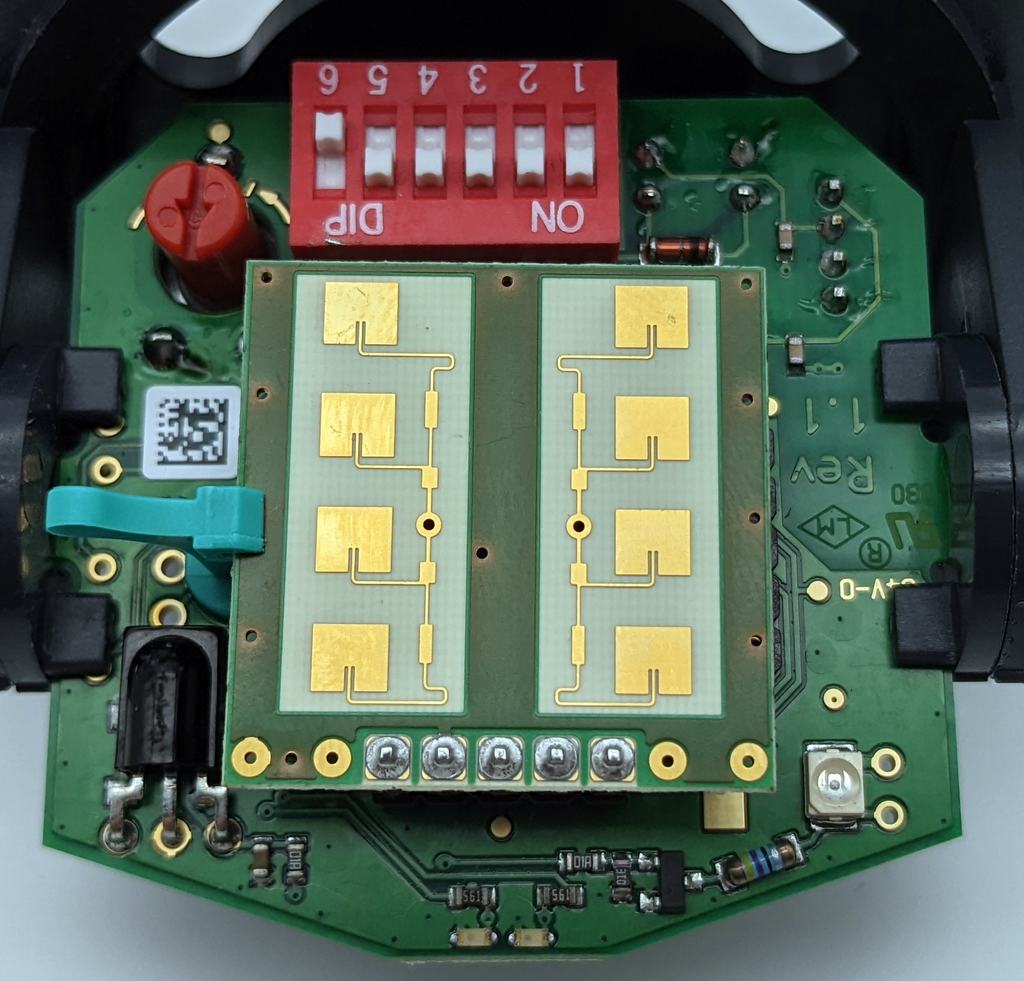
So how does it see you without you moving? The FP2 doesn't use the typical passive infrared (PIR) technology found in most motion detectors. Instead, it uses millimeter-wave (mmWave) radar.
Think of it like a bat's echolocation. The sensor sends out tiny, safe radio waves that bounce off objects in the room, including people. It then analyzes the returning signals to create a detailed map of the space and everything in it. Because it's constantly scanning, it knows you're there whether you're walking around or holding your breath. This radar-based approach is extremely precise and isn't fooled by changes in heat or light, which can sometimes trigger false alarms in older sensors.
One Sensor, Many Zones
One of the most powerful features of the FP2 is its ability to create zones. A single sensor can monitor a space up to 40 square meters (about 430 square feet) and digitally divide it into as many as 30 distinct areas.
This means your open-plan living room and kitchen can be managed by one device. You could create a 'couch zone,' a 'dining table zone,' and a 'kitchen counter zone.' When you sit on the couch, only the lamp next to it turns on. When you walk to the kitchen, the under-cabinet lights activate. This level of control allows for incredibly specific and useful automations that feel seamless.
The sensor can even detect falls, providing an extra layer of safety for vulnerable family members.
The FP2 can also track multiple people at once. It can distinguish between up to five individuals in its field of view. This opens up possibilities for personalized automations. For example, the smart home could adjust the lights and music based on who enters the room, or know not to turn off the TV if one person leaves the couch but another is still watching.
Plays Well with Others
A smart device is only as good as its ability to connect with the rest of your home. The Aqara FP2 is designed to be a team player. It integrates directly with major smart home platforms, making it easy to incorporate into your existing setup.
| Platform | Integration | Notes |
|---|---|---|
| Apple Home | Native Support | Exposes multiple motion sensors (one for each zone). |
| Amazon Alexa | Supported | Can be used to trigger Alexa Routines. |
| Google Home | Supported | Integrates for presence-based automations. |
| Home Assistant | Supported | Offers deep integration for advanced users. |
This broad compatibility means you can use the FP2's precise presence data to trigger automations across all your favorite smart devices, regardless of the brand. It acts as a central nervous system, giving your smart home a much better understanding of where people are and what they're doing.
What is the primary technology the Aqara FP2 uses to detect a person even if they are sitting perfectly still?
A major advantage of the Aqara FP2 is its ability to divide a single large room into multiple, distinct areas for automation. What is this feature called?