Approaching and Connecting with Women
Understanding Social Dynamics
The Social Blueprint
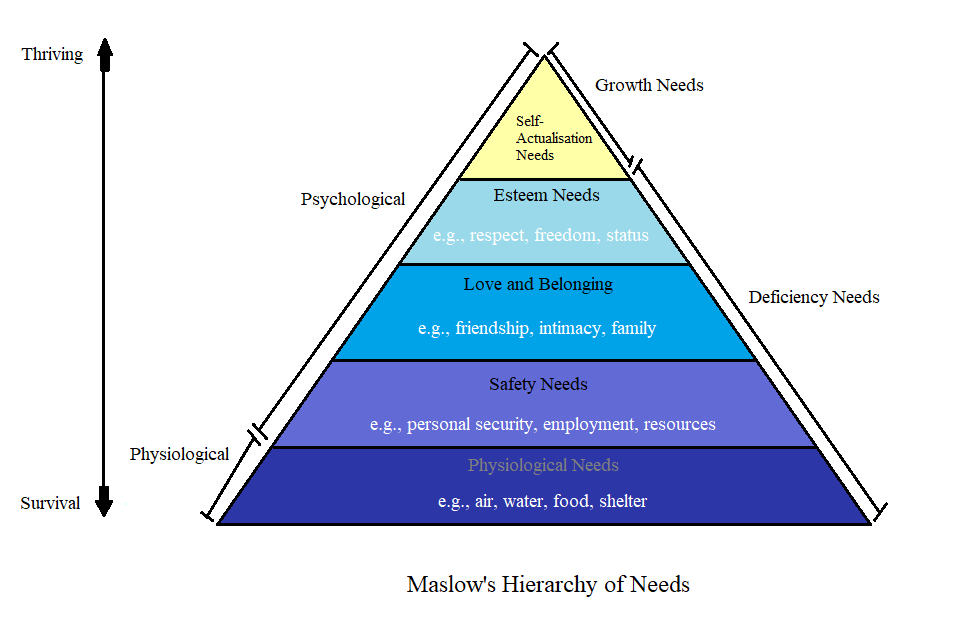
Human interaction can feel complex, but it's not random. At its core, our social behavior is driven by a set of fundamental needs. We seek to connect with others, feel safe and respected, and understand our place in the world. These aren't just vague desires; they are powerful motivators that shape how we act and what we look for in our relationships.
Think of these needs as a sort of internal compass. When we feel a sense of belonging within a group, we're more comfortable and open. When we feel our status is recognized, we feel more confident. Understanding these basic drivers in yourself and others is the first step to navigating social situations more effectively. It helps you see past the surface of an interaction to what's really going on underneath.
Navigating Unwritten Rules
Every social environment has a set of unwritten rules, or social norms. These are the shared expectations about how people should behave. They’re like the traffic laws of social life: they reduce confusion, make interactions predictable, and help things run smoothly. Norms tell us how close to stand to someone when talking, whether to make eye contact, or how to greet a stranger.
You learn these rules mostly through observation, not by reading a manual. When you enter a new environment, like a new job or a different country, you quickly start picking up on the local customs. Paying attention to how others act provides clues to what's considered normal and appropriate in that specific context.
Breaking a social norm isn't illegal, but it can make interactions awkward or uncomfortable. Following them makes others feel at ease.
The Psychology of Connection
Beyond social rules, certain psychological principles consistently influence how we form relationships. These aren't tricks or manipulation tactics; they're natural human tendencies that draw people together.
One of the most powerful is reciprocity. This is the simple idea that we feel inclined to give back what we receive. If someone does you a favor, you feel a natural pull to return it. This creates a cycle of give-and-take that builds trust and strengthens bonds.
Another key principle is similarity. We are naturally drawn to people who share our interests, values, and backgrounds. Finding common ground creates an instant sense of connection and makes conversation flow more easily. Finally, there's the mere-exposure effect, which suggests that we tend to develop a preference for people and things simply because we are familiar with them. The more you see someone, the more comfortable and approachable they can seem.
The Cultural Lens
Culture provides the overarching context for all social dynamics. It shapes our values, our communication styles, and our definitions of what is polite or rude. A gesture that is friendly in one culture might be offensive in another. This is why awareness is so important.
For example, communication styles vary widely. In some cultures, people are very direct and say exactly what they mean. In others, communication is more indirect, relying on context, tone, and non-verbal cues to convey the true message. These differences aren't right or wrong, they're just different ways of navigating social life.
| Social Norm | Direct Communication Culture (e.g., Germany, U.S.) | Indirect Communication Culture (e.g., Japan, Brazil) |
|---|---|---|
| Giving Feedback | Blunt and straightforward. "This report has several errors." | Softened and implicit. "This is a good start, perhaps we could look at a few areas again." |
| Saying "No" | A simple "no" is acceptable. | Often avoided; may use phrases like "I'll see" or "That could be difficult." |
| Punctuality | Arriving on time is expected and valued. | More flexible; arriving a little late might be the norm. |
Being aware of these psychological and cultural layers helps you interpret social cues more accurately and interact with greater empathy and understanding. It's about recognizing that everyone operates within their own social framework.
Now, let's check your understanding of these core ideas.
According to the text, which of the following best describes the fundamental needs that drive our social behavior?
When you start a new job, what is the primary way you learn the office's unwritten social norms?
Understanding these fundamentals provides a solid base for building stronger social skills.