Applying Psychological Frameworks
Clinical Paradigm Trade-offs
Two Paths to Change
When it comes to therapy, there's no single road to well-being. Two major schools of thought, Behavioral and Humanistic psychology, offer different maps to navigate personal challenges. They start from different assumptions about what drives us and, consequently, propose very different methods for change.
Behavioral therapy operates on a straightforward principle: what can be learned can be unlearned. It focuses on observable behaviors and the environmental factors that reinforce them. Think of it as a highly practical, data-driven approach. A behavioral therapist works with a client to identify specific, maladaptive behaviors and then uses conditioning techniques to modify them. Interventions like Applied Behavior Analysis (ABA) or Exposure Therapy are designed to produce clear, measurable changes in a person's actions.
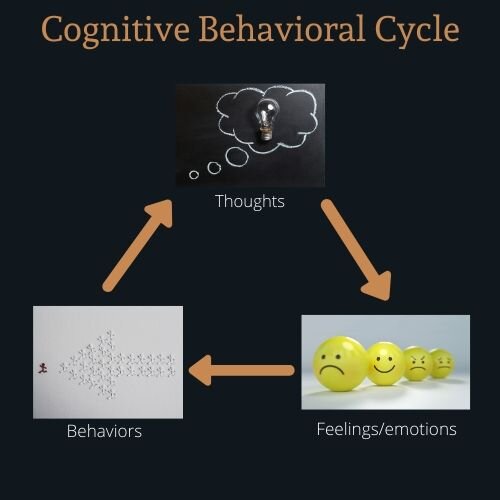
The goal is symptom reduction. Progress is tracked through concrete milestones, like a person with a phobia being able to stay in a room with their feared object for progressively longer periods. It's a structured process aimed at changing what you do.
Humanistic therapy, on the other hand, takes an inside-out approach. It prioritizes a person's subjective experience—their feelings, perceptions, and sense of self. Rooted in the idea that people have an innate capacity for growth, this framework sees psychological distress as a result of incongruence between a person's real self and their ideal self. The focus isn't on fixing a specific behavior, but on fostering self-acceptance and personal growth.
humanistic therapeutic models are rooted in insight and focus on self-development, growth, and responsibilities
The Clinical Crossroads
In a clinical setting, choosing between these approaches involves significant trade-offs. Behavioral methods offer speed and clarity. Their structured protocols and measurable outcomes are often preferred by insurance companies and in situations where rapid symptom relief is critical. However, this focus on external behavior can sometimes feel impersonal, potentially overlooking the client's internal world or their need to find meaning in their struggles.
A humanistic approach, like Carl Rogers' Person-Centered Therapy, excels at building a strong therapeutic alliance. The therapist provides empathy, unconditional positive regard, and a safe space for the client to explore their authentic self. This can lead to profound personal growth and lasting change. The downside? The process is less structured, progress is harder to quantify, and it may take longer to see changes in specific symptoms. The journey is valued as much as the destination.
| Feature | Behavioral Therapy | Humanistic Therapy |
|---|---|---|
| Core Focus | Observable behaviors | Subjective inner experience |
| Primary Goal | Modify maladaptive behaviors, reduce symptoms | Foster self-actualization and personal growth |
| Therapist's Role | Teacher, coach applying clinical protocols | Empathetic facilitator providing support |
| Key Strength | Measurable, often rapid, results | Strong therapeutic alliance, deep insight |
| Potential Weakness | May neglect underlying meaning or client autonomy | Lacks structure, results can be slow and hard to quantify |
Social Anxiety Through Two Lenses
Let's consider a client named Alex, who experiences debilitating social anxiety. Alex avoids parties, struggles to speak in meetings, and feels intense dread when meeting new people. How would each approach help?
A Behavioral therapist would likely use exposure therapy. First, they would work with Alex to create an "anxiety hierarchy"—a list of social situations ranked from least to most terrifying. This might range from making eye contact with a cashier to giving a presentation at work.
Then, following a strict protocol, the therapist would guide Alex through systematic exposure to these situations, starting with the easiest. Alex would learn relaxation techniques to manage the physical symptoms of anxiety. Progress would be meticulously tracked, perhaps on a 1-10 scale of distress for each activity. The goal is to desensitize Alex to the triggers, proving that the feared outcomes don't occur. It’s about changing the anxious response.

A Humanistic therapist would approach Alex's anxiety differently. The initial sessions wouldn't focus on a hierarchy of fears, but on Alex's feelings of worthlessness and fear of judgment. The therapist would create a warm, non-judgmental space for Alex to talk about his experience. The conversation might explore the roots of his anxiety: perhaps a deep-seated belief that he is unlovable or fundamentally flawed.
The therapy would center on helping Alex accept himself, including his anxiety. The therapist wouldn't direct Alex with specific exercises but would reflect Alex's feelings back to him, helping him uncover his own insights. Growth would come from Alex developing a stronger, more congruent sense of self. As his self-acceptance grows, his need to avoid social situations would naturally diminish. It’s about exploring the anxious person.
The choice often isn't about which approach is 'better,' but which is the right fit for the person and the problem at that moment. Sometimes, a person needs the practical tools of behaviorism to function. Other times, they need the space of humanism to heal.
What is the primary goal of behavioral therapy?
A therapist providing empathy and unconditional positive regard to create a safe space for a client is a hallmark of which approach?
Ultimately, many modern therapists integrate elements from both schools, adapting their approach to the client's needs. A person might start with behavioral techniques to manage acute panic attacks and later move into humanistic exploration to understand the underlying causes.