Applied Visual Ethnography and Anthropology
Advanced Visual Data Collection
Beyond Just Watching
In ethnographic research, participant observation means immersing yourself in a community to understand it from the inside. When you add a camera to the mix, your role changes. You're not just observing; you're actively framing the world. Every photo or video clip is a decision—what to include, what to exclude, and from what perspective. This act of framing is a crucial part of the data itself.
Think of a researcher studying daily life in a bustling public square. With a notebook, they might jot down descriptions of interactions. With a camera, they can capture the subtle, fleeting details that words often miss: a shared glance between vendors, the specific way a customer handles produce, or the flow of foot traffic around a street performer. The visual record becomes a dense, layered account of the space that can be revisited and analyzed long after leaving the field.
Your camera isn't just a recording device; it's an extension of your observation, capturing data that is both rich in detail and subjective in its creation.
Photos That Talk
Visuals are more than just objective records; they are powerful conversation starters. This is the idea behind photo elicitation, a technique where researchers use photographs to prompt discussions with participants. The photo acts as a bridge, helping people articulate thoughts, memories, and feelings that might not surface in a standard interview.
Imagine you show a participant a photograph of a recent community festival. Instead of asking, "What was the festival like?" you can ask, "What was happening here?" or "What does this image make you feel?" The photograph provides a concrete reference point, unlocking richer, more personal narratives.
There are two common approaches:
-
Researcher-led: You use photos you've taken to guide the conversation. This is useful for asking about specific events or practices you observed.
-
Participant-led (Photovoice): You give participants cameras and ask them to document their own lives and perspectives. This is an empowering method that shifts control to the participants, allowing them to tell their own stories and highlight what they see as important. They become co-researchers.
Capturing Life in Motion
While photos freeze a moment, video captures process, interaction, and context in motion. Video recording is invaluable for studying complex social interactions, rituals, or skilled practices where the sequence and timing of actions are critical. It records not just what people say, but their body language, tone of voice, and how they interact with their environment.
A researcher studying traditional weaving, for example, could use video to document the entire process from start to finish. This recording captures the weaver's precise hand movements, the rhythm of the work, and the casual conversations that happen alongside it. Later, the researcher can analyze the footage in slow motion or even show it to the weaver to discuss the intricacies of their craft. Video allows for a level of detailed analysis of dynamic events that no other method can match.
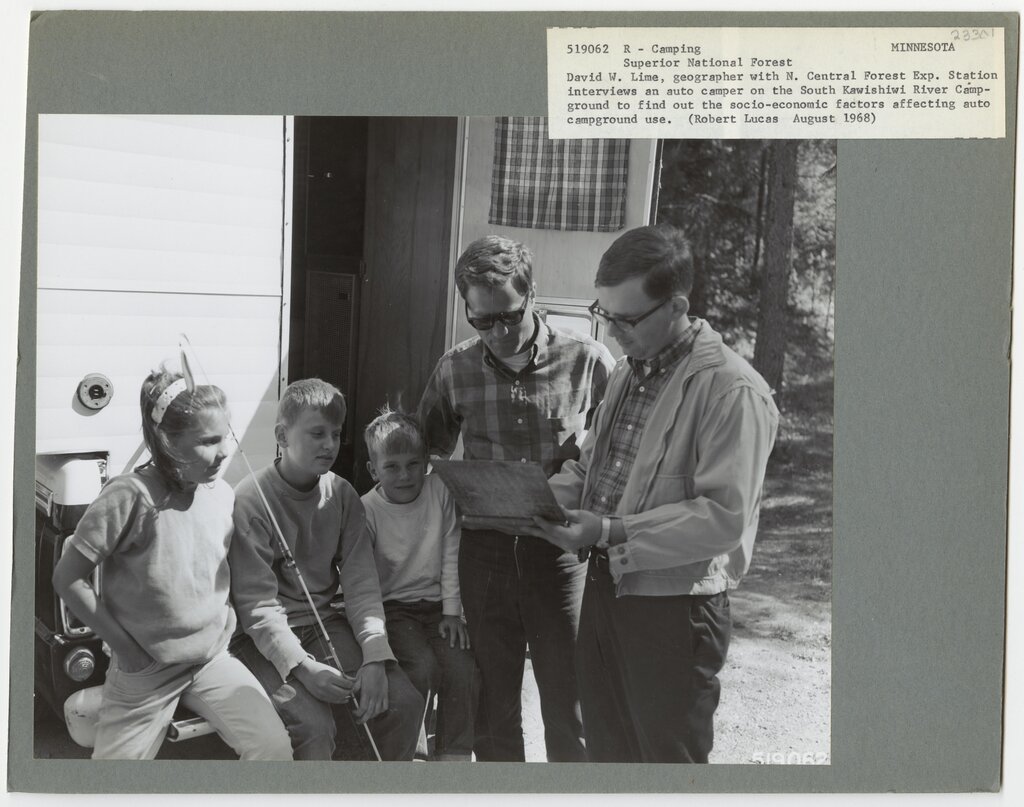
Visual sociologists use the visual as a method of social inquiry.
Ethical Considerations
Using cameras in research adds layers of ethical responsibility. A photograph or video is a permanent record that can be easily shared, making privacy and consent paramount. Before you start recording, you must think through several key questions:
-
Informed Consent: Do participants fully understand how their images or videos will be used? This includes not just in research papers but potentially in presentations or online. Consent should be an ongoing conversation, not a one-time signature.
-
Anonymity: How will you protect participants' identities? Blurring faces or altering voices might be necessary, but this can also strip the data of its context. You need to balance protecting individuals with preserving the integrity of your research.
-
Power Dynamics: A camera can create a power imbalance between the researcher and the participant. Be mindful of how your presence with a camera changes the situation and make sure participants feel comfortable and in control.
-
Representation: As the researcher, you are making choices about how to represent a person or a community. It's crucial to portray them accurately and respectfully, avoiding stereotypes or creating images that could harm them.
In the context of visual ethnography, what is 'photo elicitation' primarily used for?
A researcher gives cameras to teenagers and asks them to document what 'community' means to them. This method, where participants create the visual data themselves, is known as:
These advanced methods offer deep insights but require careful planning and a strong ethical framework. When used thoughtfully, they can help create a more nuanced and human-centered understanding of the social world.