Applied Songwriting and Harmonic Architecture
Harmonic Color Extensions
Beyond the Triad
You already know how to build basic chords using triads. A C major triad (C-E-G) sounds happy and stable. A C minor triad (C-E♭-G) feels more somber. But what happens when we start adding more notes? We unlock a new world of emotional color and complexity.
Adding extra notes, or extensions, to a triad is like a painter adding new pigments to their palette. It allows for more nuance and sophistication. The most common and powerful extension is the 7th. By adding the seventh note of the scale to a triad, we create a richer, more complex sound that can dramatically alter the mood of a song.
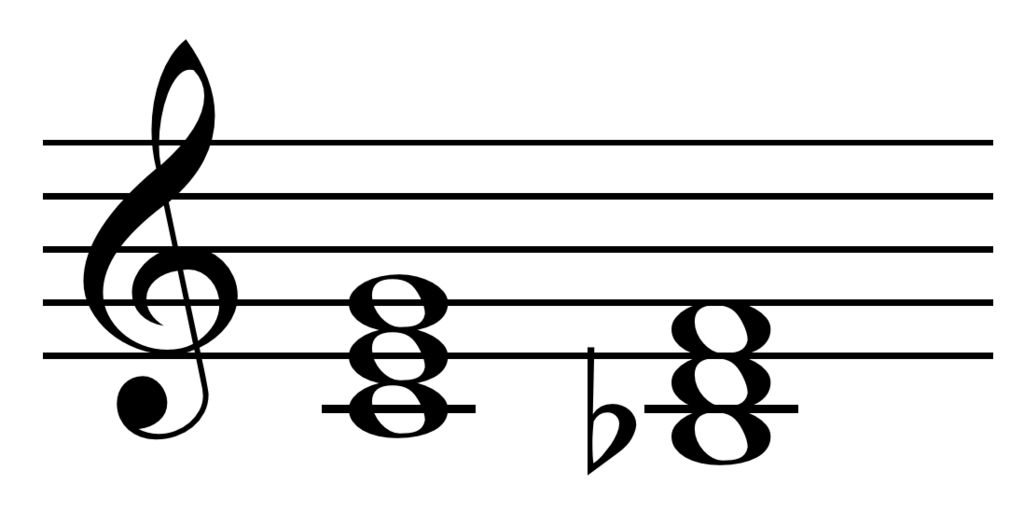
Let's start with the Major 7th chord. To build it, you take a major triad and add the major seventh interval above the root. For a C major chord (C-E-G), you add a B. The resulting Cmaj7 (C-E-G-B) has a dreamy, thoughtful quality. It sounds less final than a simple major chord, creating a feeling of gentle openness. Think of the sound of a classic jazz ballad or a mellow indie-pop song.
Now consider the Minor 7th chord. Take a minor triad and add the minor seventh interval. For an A minor chord (A-C-E), you add a G. The Am7 chord (A-C-E-G) has a smooth, soulful sound. It's still melancholic like a standard minor chord, but with a touch of sophistication and warmth. It's a staple in R&B, soul, and jazz.
Think of chord extensions as extra colors and moods for your basic chords.
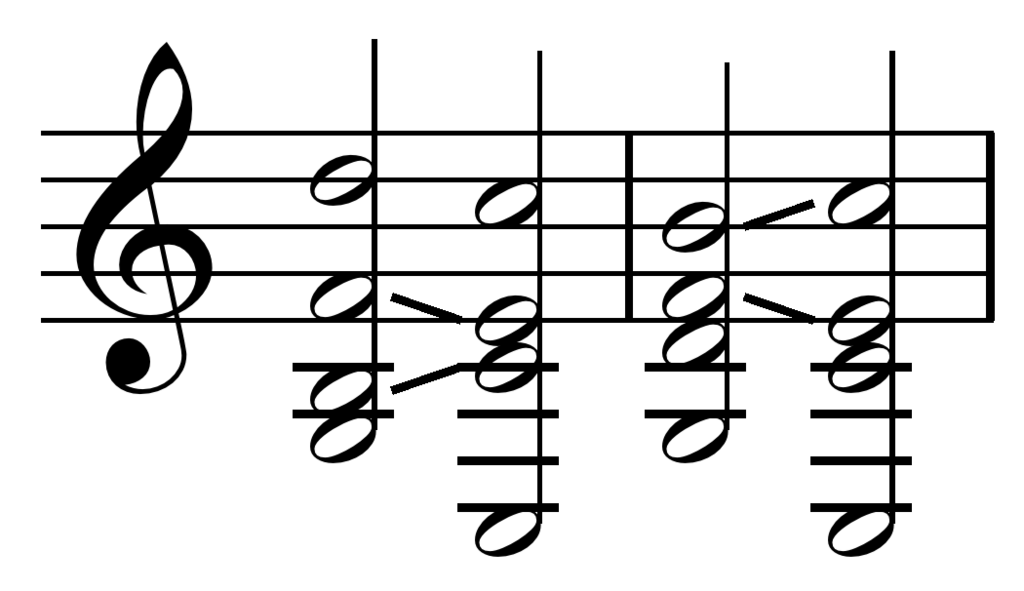
The third main type of 7th chord is the Dominant 7th. This one is different. It's built from a major triad but adds a minor seventh interval. A G7 chord, for example, is G-B-D-F. That F note is not in the G major scale. This clash creates a strong sense of tension, a feeling that the music needs to go somewhere. The dominant 7th chord almost always wants to resolve to the tonic chord. In the key of C major, the G7 chord creates a powerful pull back to the C major chord. This tension and resolution dynamic is a fundamental engine of Western music.
Adding More Texture
Once you're comfortable with 7ths, you can keep stacking notes to create even richer harmonies. Adding the 9th, 11th, and 13th notes of the scale (which are just the 2nd, 4th, and 6th up an octave) can add incredible atmospheric texture.
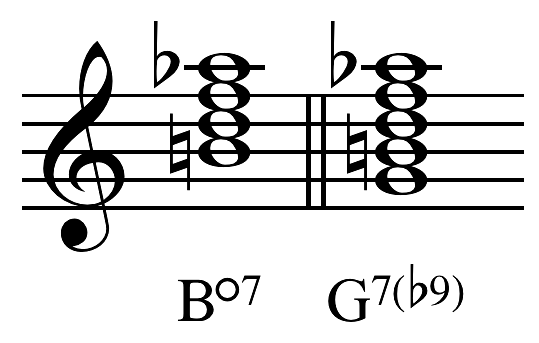
A Cmaj9 chord (C-E-G-B-D) adds another layer of lushness to the major 7th sound. An Am11 (A-C-E-G-B-D) can sound incredibly dense and complex. You don't always have to play all the notes. In fact, pianists and guitarists often use rootless voicings to simplify these chords while retaining their unique color. For example, a G7(b9) chord contains the notes G, B, D, F, and Ab. The notes B-D-F-Ab form a B diminished 7th chord. A pianist might play the G in their left hand and the Bdim7 in their right, creating the full sound of the more complex chord.
Connecting the Colors
Using these extended chords is one thing, but making them flow together smoothly is another. This is where voice leading comes in. Voice leading is the art of moving the individual notes of one chord to the notes of the next chord in the smoothest way possible, usually by moving each 'voice' the smallest possible distance.
Instead of jumping from a root position Cmaj7 to a root position Fmaj7, you might use inversions to keep the notes closer together. For example, you could move from C-E-G-B to C-F-A-E. Notice how the C and E notes stay, while the G and B move just a short step to F and A. This creates a much more elegant and connected sound. Good voice leading is what separates clunky, amateur chord progressions from professional, fluid ones.
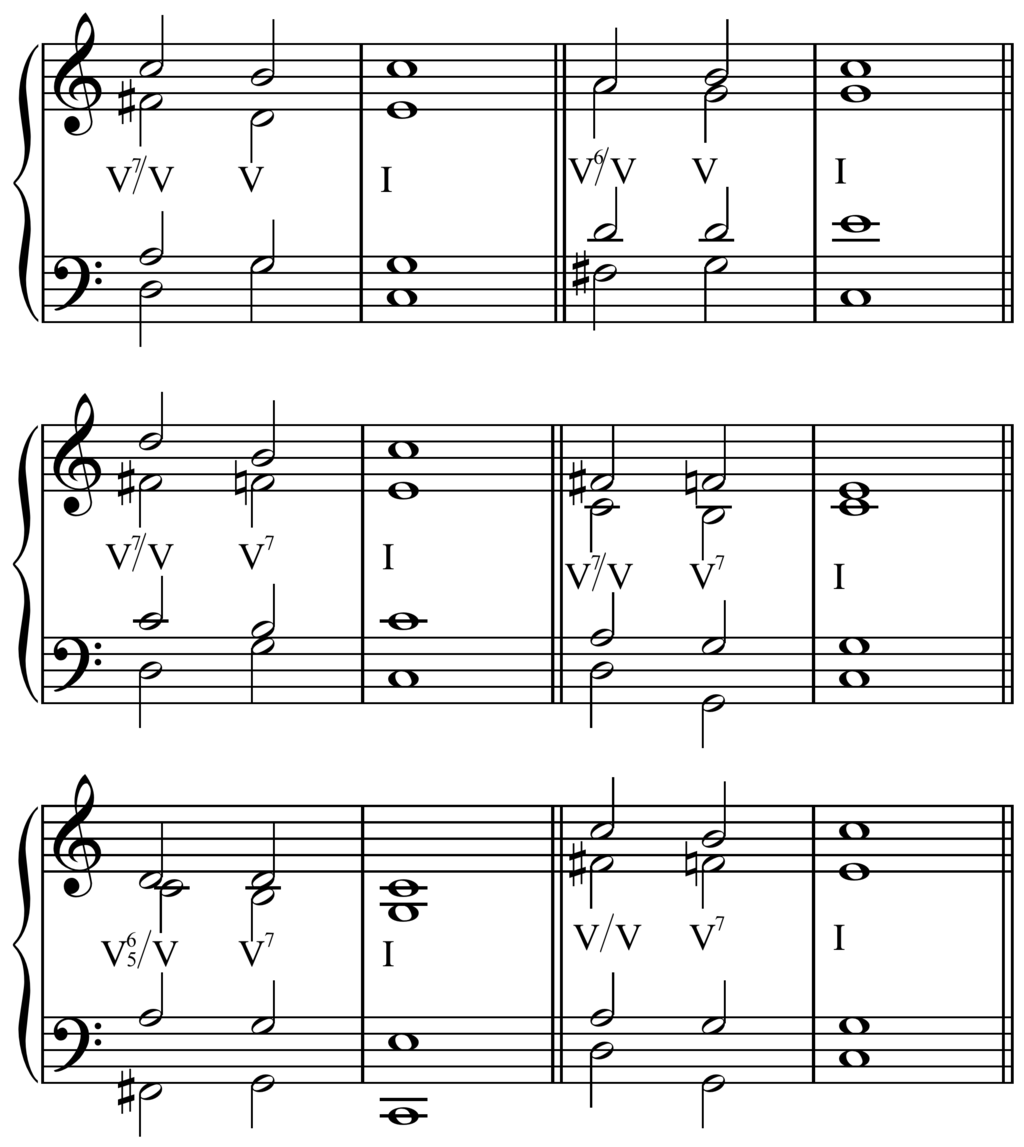
As you write, think about the emotional arc you want to create. Use major 7ths for moments of reflection, dominant 7ths to build anticipation before a chorus, and minor 9ths for a touch of sophisticated melancholy. Choosing the right extension is about serving the story of your song.
Let's test your understanding of these harmonic colors.
What notes are in a C major 7th (Cmaj7) chord?
Which type of 7th chord is specifically built to create tension and a powerful sense of resolution?
By moving beyond basic triads and embracing these extensions, you can add a new level of emotional depth and professionalism to your songwriting.